Inside Hwang Ji-sung's Network: Moving Defectors and Cash Across North Korea's Hardening Border
Key Takeaways
- •Hwang Ji-sung has assisted approximately 3,000 people in defecting from North Korea since his own escape in 2009, with his network peaking at 350 to 450 crossings in 2015.
- •The total cost of escaping North Korea to South Korea has more than tripled since the pandemic to about 15 million won, reflecting heightened border enforcement by both North Korea and China.
- •North Korea completely sealed its borders in early 2020 and has since built new fencing and guard posts, making clandestine crossings substantially more difficult.
- •China has shifted from limited cooperation with Seoul to aggressive crackdowns, deploying agents to infiltrate defector groups and using facial recognition technology to intercept crossings.
- •Hwang also arranges illegal remittances to families inside North Korea, with approximately 40 percent of the original amount consumed by fees across multiple intermediaries before delivery.
Editor's note: This article is the first in a series of interviews with people whose lives intersect with North Korea, offering firsthand accounts of the risks, routes, and relationships that connect the two Koreas and continue to shape their lives today.
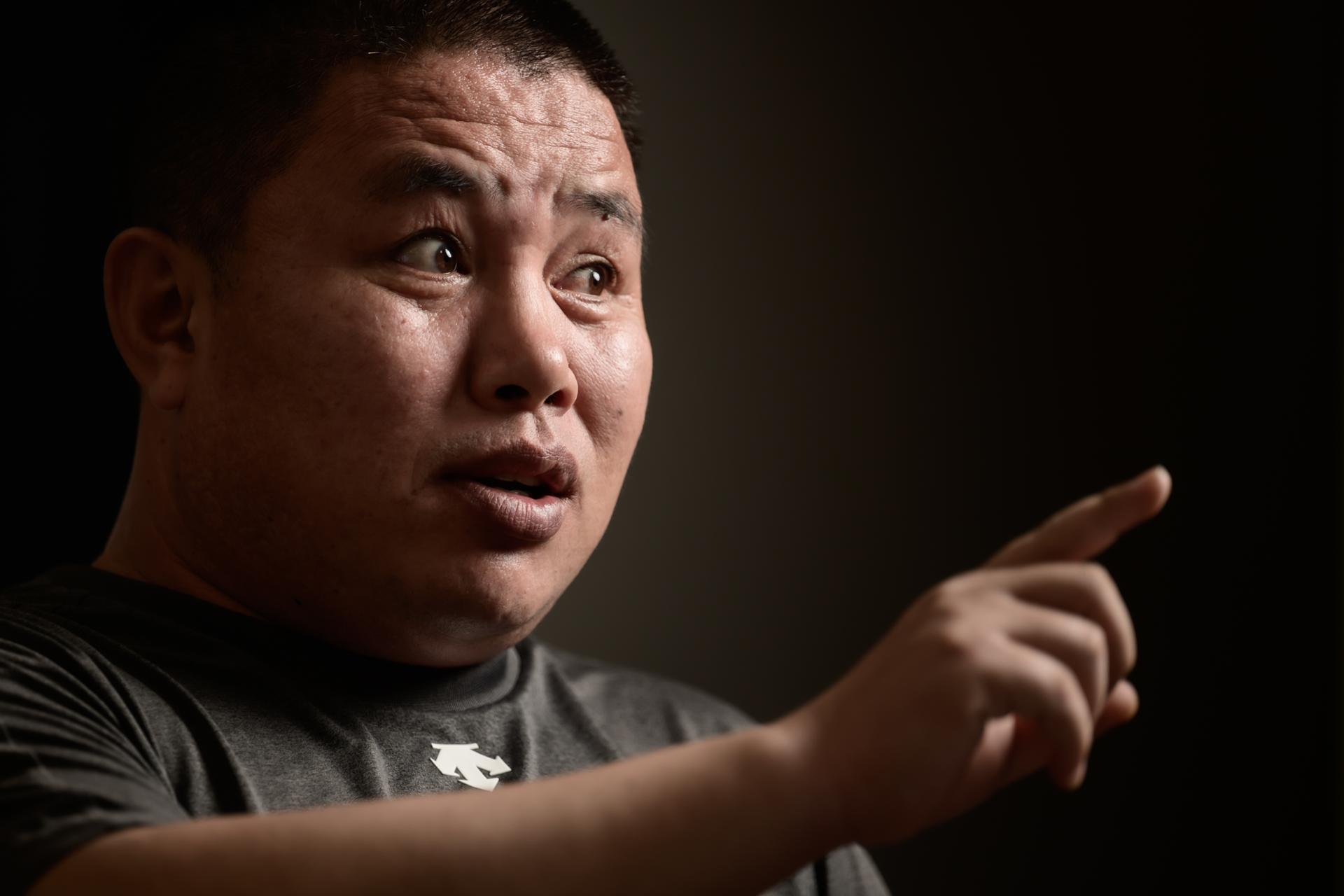
Hwang Ji-sung, 46, fled North Korea in 2009. Since then, he has helped roughly 3,000 people escape the North and has sent money to many of the families they left behind. His account offers a rare inside view of an underground infrastructure that has grown only more perilous as both North Korea and China have intensified surveillance and enforcement along their shared border.
"At first, I didn't understand why defectors would cry over having no news of their families. Getting that kind of news wasn't hard for me," Hwang said in an interview with The Korea Times, conducted in Hanam, Gyeonggi Province, on July 8. "So I told them, 'I'll do it for you.'"
From smuggler to broker
Growing up in Musan County, North Hamgyong Province, Hwang became intimately familiar with the geography of the North Korea–China border, including the Tuman River's currents and water levels. That knowledge proved critical when he began smuggling goods into China in the mid-1990s, during a famine that killed an estimated 600,000 to 3 million people, though the exact toll remains unknown. He also guided women who had been trafficked into China, later repatriated to North Korea, and wanted to return to their Chinese husbands, leading them to the banks of the Tuman River.
In 2005, Hwang made his first attempt to defect, drawn by a longing for freedom and stories that people in South Korea could eat as much beef and pork as they wanted. He was caught and spent a year in prison.
"I'd already seen the wider world by then. There was no way I could go back to living in that small village," Hwang said.
He tried again in 2009 and succeeded.
Once settled in the South, Hwang turned his knowledge of the border and his network into a business helping others defect from the North. Operations peaked in 2015, when a request one day could mean a crossing the next. That year, his network brought in between 350 and 450 people — about 30 percent of the 1,275 North Korean defectors who entered South Korea.
When a North Korean's family in the South reaches out, Hwang calls his contacts in North Korea, tells them where to find that person, and instructs them to bring the individual to the Tuman River. From there, contacts in China take over, guiding them onward. Hwang knows the terrain well enough to direct crossings by phone, telling operatives which bend in the river to wait at.
"From start to finish, you coordinate timing and locations over the phone," Hwang said, adding that people inside the network don't know each other, since one person getting caught and talking could expose the entire operation.
That secrecy comes at a price. Crossing the Tuman River out of North Korea used to cost about 1 million won ($707), plus an additional 3 million won for the leg to Thailand. Since the COVID-19 pandemic, the total has more than tripled to approximately 15 million won. North Korea sealed its borders entirely in early 2020, and satellite imagery analysis has shown the construction of new fencing and guard posts along the frontier, making clandestine crossings far more difficult. The rising cost also reflected how much harder it had become by 2019 to cross from China into Southeast Asia — the route defectors often take to reach South Korea, where the South Korean government resettles arriving defectors under its constitution.
"Before that, China had largely turned a blind eye, cooperating when Seoul asked for help by sending about half of those caught to South Korea," Hwang noted. China does not recognize North Korean defectors as refugees, classifying them instead as illegal economic migrants subject to repatriation.
Tighter controls, higher risks
That cooperation ended after defectors and human rights groups criticized China, angering Chinese authorities into launching a harder crackdown, according to Hwang. Around the same time, facial recognition technology made it far more difficult to cross the border undetected.
"China plants agents among defectors, using a Chinese national who studied in South Korea to persuade the defectors," Hwang said. "The recruiting agent would tell defectors, 'Say you want to go to South Korea. We'll guarantee your safety.' Once recruited, the defector persuaded by the Chinese agent joins the group to South Korea, and the agent activates a location tracking app. Then everyone is rounded up at that border," he explained.
North Korea has its own methods, and according to Hwang, they are far crueler.
"South Korea has advanced technology and investigative techniques. North Korea doesn't, but it's brutal instead. If they suspect someone has family in the South, they take them in and ask, 'Will you betray Our Marshal if your family comes for you?'" — referring to North Korean leader Kim Jong-un. "Get caught with even something small and you're sent to a political prison camp and that's where you die," Hwang said.
"That pressure forces intense obedience to the state. When a broker comes at the request of family in South Korea, some pretend to go along, then report the broker to security officials."
Sending hope across the border
Hwang's work is not limited to guiding defectors. When asked, he also sends money to their families in the North. These remittances, though illegal under both North Korean and South Korean law, have long been a lifeline for families separated by the border, and brokers like Hwang occupy a central role in a shadow economy that no government fully controls.
The money changes hands several times along the way. Won sent from South Korea first lands in a Chinese bank account, where the account holder takes about 5 percent. As it crosses into North Korea, a broker there takes another 5 percent, a middleman takes 5 percent more, and the courier who delivers the cash in person takes an additional cut because they risk their life. In all, roughly 40 percent is deducted before the money reaches its destination.
Hwang said money flowing from South Korea to the North carries significant influence. He measured it in Chinese yuan, the currency typically used in North Korea's black market: 20,000 won converts to about 100 yuan, which he said is enough to buy 20 kilograms of rice.
"When that money reaches people in the North, do you think they'll think better of South Korea, or worse? The more people who think better of it, the sooner unification comes."
Hwang said treating all North Koreans as enemies would be a mistake. To him, the alternative to helping each other — as he does through his work guiding defectors and sending money north — is conflict.
"If it comes down to picking up guns and fighting each other, it would wipe out the Korean people."
