Sen. Darline Graham's Story of Her Parents' Deaths Unwittingly Argues for Universal Health Care, Analyst Says
Key Takeaways
- •Sen. Darline Graham defeated GOP Rep. Ralph Norman in a close U.S. Senate primary in South Carolina and used her victory speech to attack Democratic nominee Annie Andrews over universal health care.
- •Graham invoked her parents' deaths—her mother from Hodgkin's lymphoma and her father from a heart attack when she was a child—to argue against government-run health care.
- •The New Republic's Greg Sargent argued that Graham's story inadvertently makes the case for government-run health care, pointing to details in Lindsey Graham's 2015 memoir.
- •Democratic nominee Annie Andrews is a pediatrician making her second Senate bid who has made expanding health care access a centerpiece of her campaign.
- •The viral moment comes amid a long-running national debate over government's role in health coverage that has featured prominently in recent South Carolina Senate races.
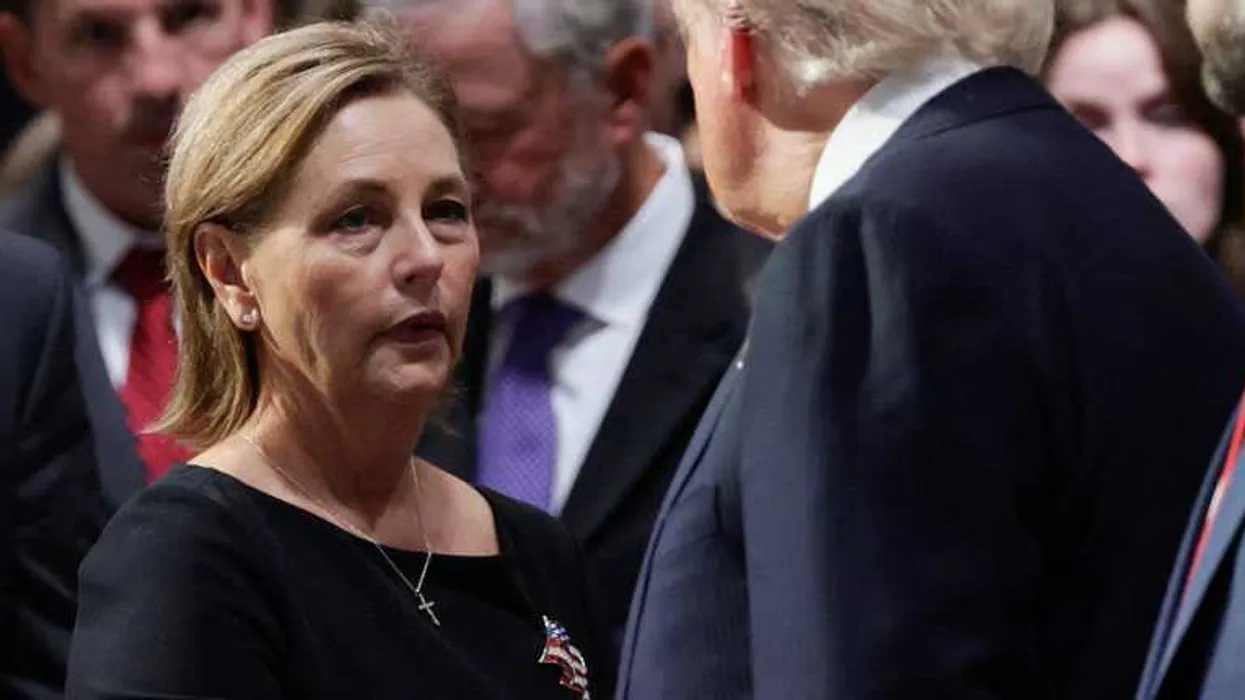
After defeating GOP Rep. Ralph Norman (R-South Carolina) in a close U.S. Senate primary in deep red South Carolina, Sen. Darline Graham attacked the Democratic nominee, Annie Andrews, during her victory speech — including Andrews' call for universal health care. Graham made her point by recalling her parents' deaths. But according to The New Republic's Greg Sargent, Graham ended up making a case for Andrews' position rather than her own — and a closer examination of her parents' deaths makes her argument even more "odd" (The New Republic).
"Darline Graham, who just sashayed into the Senate seat of her late brother, Lindsey Graham, likes to tell a story about her parents," former Washington Post columnist Sargent explains in a New Republic article. "They both passed away fairly suddenly — her mother of Hodgkin's lymphoma and her father of a heart attack. She was a preteen at the time, and it's a compelling tale that lands well with audiences. But its latest iteration has gone viral for another reason: She juxtaposed her parents' death with a condemnation of 'government-run health care' in a way that inadvertently makes a strong case in its favor. And a glance back at Lindsey Graham's 2015 self-published memoir — which extensively recounts the passing of the parents — further reinforces the point."
During her speech, Graham attacked Andrews, who is a doctor, over "government-run health care," saying: "We didn't take vacations — if they were sick, they had to go to work. My mother passed away when I was 11, and my father just over a year later."
In his New Republic piece, Sargent writes: "Darline Graham's vision, it seems, holds that because her own parents worked so hard, couldn't take sick days, and died untimely deaths, others shouldn't expect anything different. It's a particularly clumsy rendition of the idea that anyone who works hard will automatically have health care access in keeping with what they justly merit in life, and only the lazy and undeserving would ask for big government health care…. Darline Graham's tale about her parents is true enough. But when you dig into the details, her takeaway from it becomes even more surprising."
Sargent also addressed the episode in a post on X (@GregTSargent): "Darline Graham said that because her parents died when she was a kid, people today shouldn't want 'government health care.' So I dug up the real story of the death of Darline/Lindsey's parents. The details make her conclusion even odder."
According to Sargent, a close examination of the deaths of Darline Graham's parents — which her late brother, Sen. Lindsey Graham, detailed in his book "My Story" — demonstrates that the "government-run health care" she condemns "can, and already does, avert premature deaths like these."
"Darline Graham watched her parents suffer premature death at a very young age," Sargent writes. "Yet her worldview holds that the government cannot — and should not — involve itself in health care, as Obamacare and other Democratic proposals do, to avert this lot in life for others."
The exchange plays out against a broader, long-running national debate over the government's role in health coverage — one that has shaped Democratic politics since the passage of the Affordable Care Act in 2010 and has featured prominently in recent South Carolina Senate races, where Republican nominees have consistently opposed expansions of government-run coverage while their Democratic opponents have campaigned on extending it. Andrews, a pediatrician making her second Senate bid, has made expanding health care access a centerpiece of her campaign, and the general election contest in the reliably Republican state will test whether the viral moment around Graham's remarks shifts attention to that issue.
