42 Macro's Darius Dale: Bitcoin Could Resolve Higher if Global Liquidity Returns in 2027
Key Takeaways
- •Darius Dale of 42 Macro expects Bitcoin to trade choppily in the near term as declining funding liquidity pressures markets, before any larger directional move occurs.
- •Dale considers a return of liquidity in 2027 more likely than not and believes Bitcoin could resolve higher over the subsequent 12 to 18 months if liquidity conditions actually turn.
- •Dale argues Bitcoin warrants a dedicated portfolio allocation as an exposure separate from both stocks and gold.
- •He ties the economy's resilience to higher rates to the boom in AI-related capital expenditure and examines default via debasement along with the prospect of a "Fed-Treasury Accord 2.0."
- •Of the five potential paths out of the debt problem that Dale outlines, he considers only three acceptable, and his own asset allocation approach excludes bonds.
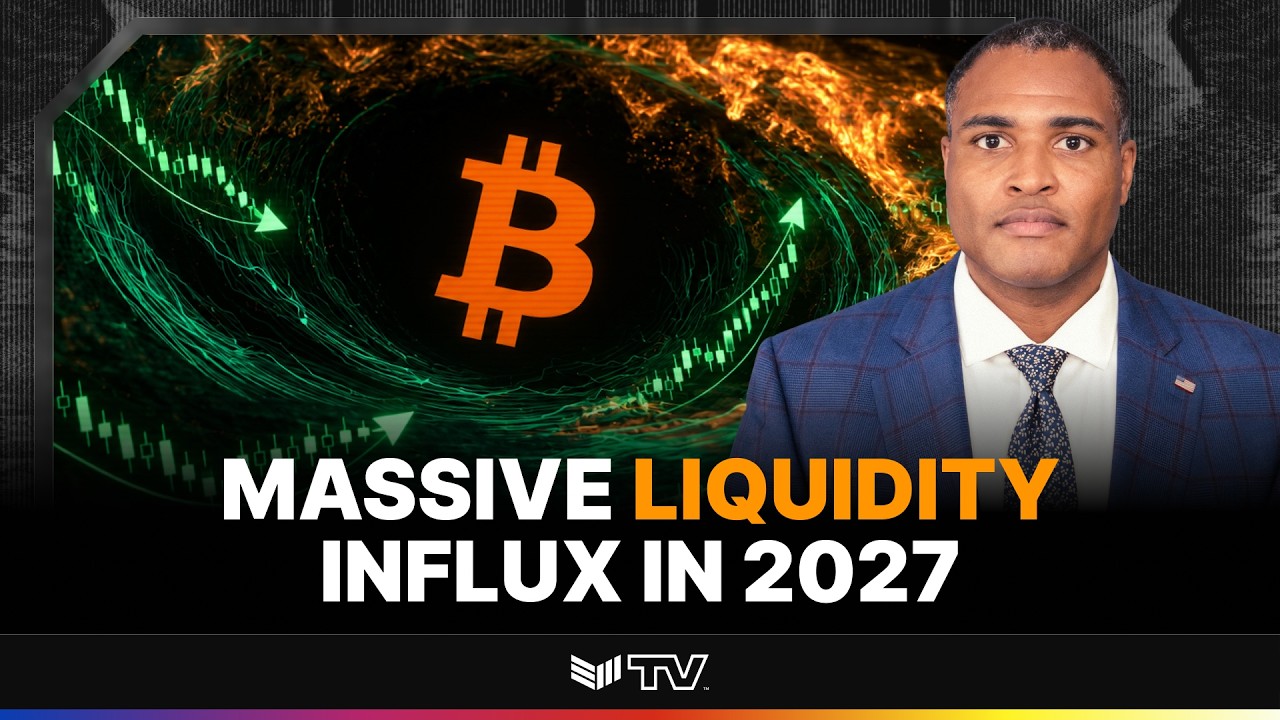
Bitcoin could face a period of choppy trading before a larger directional move, according to Darius Dale, founder of macro research firm 42 Macro, in an interview published by Bitcoin Magazine.
Dale said a decline in funding liquidity — the availability of cash and credit that market participants rely on to finance positions — could produce near-term volatility for Bitcoin. If liquidity returns in 2027, however — an outcome he views as more likely than not — he expects the asset could resolve higher over the following 12 to 18 months. As he frames it, that resolution depends on liquidity conditions actually turning in that window, which is the variable to watch as the timeline unfolds.
He also made the case that Bitcoin deserves a portfolio allocation as an exposure distinct from stocks and gold.
The wide-ranging conversation opens with a discussion of who benefits from rising Treasury yields and why higher rates have yet to weigh on the economy, which Dale ties to the boom in AI-related capital expenditure. He then examines the notion of default via debasement — the idea that a government can effectively default by eroding its currency's value rather than by missing payments — and the prospect of a "Fed–Treasury Accord 2.0," a reference to the 1951 accord that ended the Federal Reserve's practice of pegging Treasury yields to support government financing, before laying out five potential paths out of the debt problem, of which he considers only three acceptable.
On portfolio construction, Dale discusses risk management and asset allocation, including why his approach excludes bonds, and assesses where bond yields reach fair value. Later segments cover what he describes as the "wealth pump" and the role of money in politics, why he views artificial intelligence as too big to fail and what a bust might look like, his thoughts on running for office, why he says he is not a socialist, and a discussion of Jackie Robinson.
DISCLAIMER: The views and opinions expressed in the show are those of the participants and do not necessarily reflect the official policy or position of BTC Inc., Bitcoin Magazine, or any affiliated entities. The content is provided for informational and educational purposes only and should not be construed as investment, legal, tax, or accounting advice. Nothing in the show constitutes a solicitation, recommendation, endorsement, or offer to buy or sell any securities or financial instruments. Viewers should consult their own advisors before making financial or business decisions.
This article is based on a post first published on Bitcoin Magazine and written by Patrick Green.

