Dallas Fed's Logan Explains Rate-Hike Dissent, Citing Unsustainable Inflation Course
Key Takeaways
- •Lorie Logan advocated for a quarter-point interest rate increase at the latest FOMC meeting, arguing inflation is not on a sustainable path to the Fed's 2% objective.
- •Three regional Fed presidents—Logan, Neel Kashkari, and Beth Hammack—dissented at the meeting, an unusually broad level of opposition for the FOMC.
- •Logan assessed that current monetary policy is not meaningfully restraining the economy and that the labor market remains solid and is strengthening.
- •She warned that without policy adjustment, inflation will likely persist above the Fed's target absent an unexpected economic shock.
- •Logan argued that taking modest tightening action now would reduce the probability of sharper, more disruptive rate increases in the future.
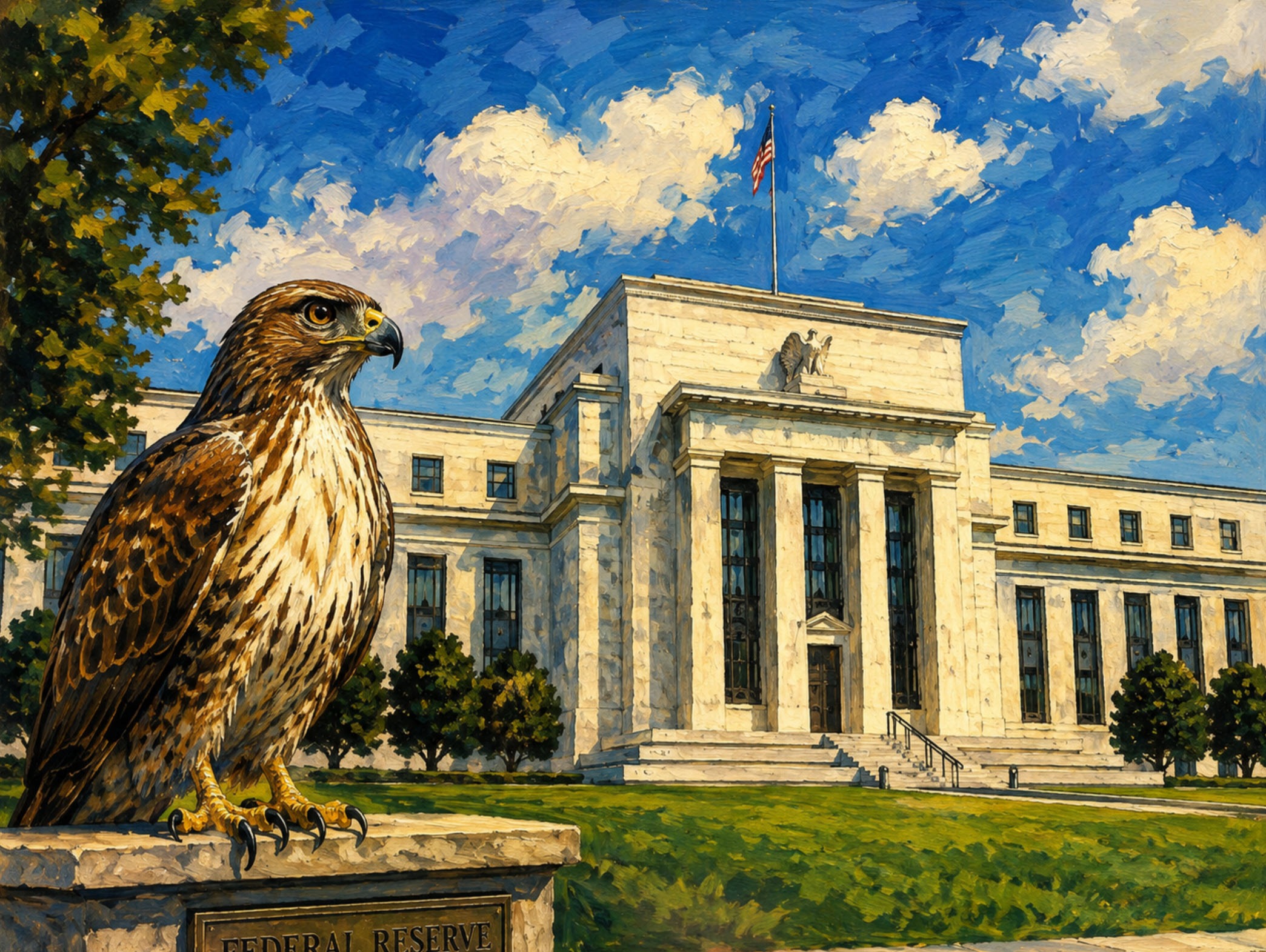
Dallas Federal Reserve President Lorie Logan said she favored a quarter-point interest rate increase at this week's FOMC meeting, arguing that inflation is not on a sustainable path back to the central bank's 2% goal and that modest tightening now could reduce the need for more aggressive action later.
Logan was one of three regional Fed presidents to dissent at the latest rate decision, joining Neel Kashkari and Beth Hammack. Kashkari and Hammack had already provided their rationales earlier in the day. All three dissenters share concerns that inflation remains too high for too long, with risks skewed to the upside. The breadth of dissent at a single meeting is unusual for the FOMC, where policy votes are frequently close to unanimous, and underscores the depth of internal disagreement over the inflation outlook.
In her remarks, Logan said the risks to inflation are tilted higher, while the labor market — which she described as "solid" — is strengthening somewhat. She cautioned that inflation will likely continue to trend above the Fed's target unless an unanticipated economic shock materializes.
Logan further stated that current monetary policy is not meaningfully restraining the economy, and that without adjustment, inflation is not on course to return to the 2% objective. She indicated she would have preferred a 25-basis-point rate increase to better balance the economic outlook against the upside risks.
The Dallas Fed president argued that taking modest action in the near term would reduce the probability that the Federal Reserve would need to implement sharper, more disruptive tightening measures down the road. The dissent reflects an ongoing debate within the FOMC over whether the current policy stance is sufficiently restrictive, a question that will shape the direction of rate decisions at upcoming meetings.

