Dallas Council Orders Audit After GOP Leaves City With $800,000 Unpaid Convention Bill
Key Takeaways
- •A Nov. 9 memo signed by Council Members Paul Ridley, Adam Bazaldua, Paula Blackmon and William Roth requests an audit into the approval and reimbursement process for the September Republican midterm convention.
- •The city has not received reimbursement from the Republican National Committee for roughly $800,000 in additional public safety costs, which included police and fire personnel pay, overtime, barricades and vehicle use.
- •Emergency management director Kevin Oden said the overwhelming majority of convention expenses were already budgeted, but did not explain how those budgeted costs relate to the unpaid $800,000.
- •The Dallas 2026 Host Committee raised at least $45 million with a promise to reduce government costs, but has not disclosed its intended payment amount or whether an agreement with the city existed.
- •The requested audit will also examine any revenue the city generated from the convention's use of the American Airlines Center and identify safeguards for recouping costs at future events.
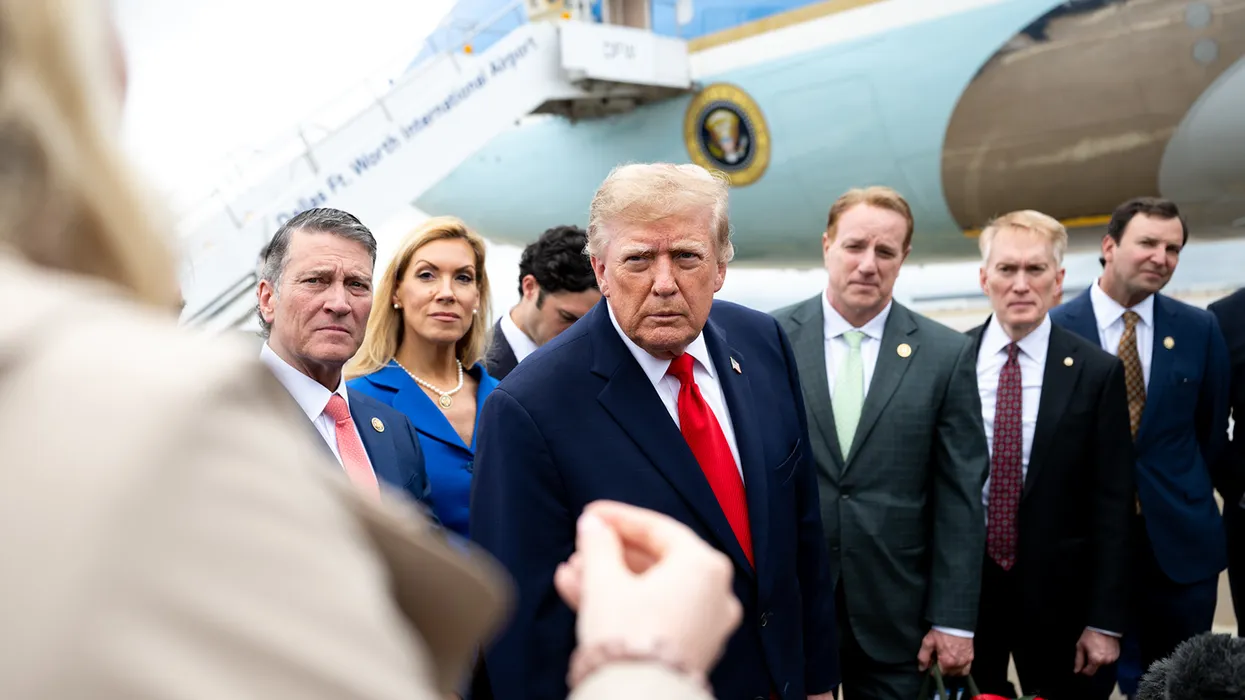
A group of Dallas City Council members is demanding answers about who approved an $800,000 Republican midterm convention in September without requiring an upfront deposit, with the city now left holding the bill and requesting an audit, as KERA reports. The council members are also seeking clarification on who is responsible for collecting reimbursement from the Republican National Committee (RNC).
"The city has yet to receive reimbursement from the RNC for additional public safety costs incurred during the convention, leaving Dallas taxpayers to cover expenses that should have been repaid," states a Nov. 9 memo signed by Council Members Paul Ridley, Adam Bazaldua, Paula Blackmon and William Roth. "This is unacceptable to us and raises serious questions concerning why the City did not in advance obtain financial security for the anticipated costs and efforts to collect the money owed."
According to Kevin Oden, the city's emergency management director, the police and fire departments took on much of the cost, which included personnel pay, overtime, barricades and vehicle use. During a financial committee meeting in October, Oden explained that the "overwhelming majority" of the expenses were already budgeted for, but he did not elaborate on how expenses were budgeted for the event. How those budgeted expenses relate to the unpaid $800,000 is among the process questions the memo asks the audit to examine.
The Dallas 2026 Host Committee raised at least $45 million to support the convention, which it promised would reduce government costs for the event, but the committee has not released specific details about the amount it intends to pay or whether an existing agreement was in place between the committee and city leaders.
"Dallas taxpayers should not be left responsible for expenses incurred to host an event when reimbursement was expected and remains outstanding," the memo from the council members states. "We are asking for a thorough examination of the process, decisions, and individuals involved, as well as documentation of the City's efforts to recover the money owed."
When news broke that the host committee had raised $45 million, Dallas News reported that questions remained about who contributed the money, how it was spent and which costs were still outstanding. The city expected to be reimbursed for its expenses, but officials had yet to determine who would be responsible for paying Dallas back, how much the city could recover or whether taxpayers would ultimately be left footing part of the bill.
In addition to the unpaid costs, the council members want the audit to determine how much revenue, if any, the city generated by allowing the Republican convention to use the American Airlines Center, and what safeguards can be implemented to ensure the city fully recoups the costs of hosting future events.
The memo further describes the standard review process: "During the review, any required services or personnel costs are estimated and submitted to the event organizer to help track costs. If the estimated costs are too high, the organizer can modify or cancel the event to require fewer services."
The questions ahead are concrete: whether the RNC reimburses the additional public safety costs, how much of the $800,000 Dallas ultimately recovers, and what safeguards the audit identifies for covering costs at future events.

