Czech Authorities Charge 15 Over $12 Million BETFIN Crypto Casino Case
Key Takeaways
- •Czech authorities charged 15 people over BETFIN, alleging the crypto casino operated without required Finance Ministry approval and generated unlawful gains of about 267 million koruna, approximately $12 million.
- •Three alleged organizers remain in custody and could face up to 13.5 years in prison for participation in an organized criminal group and unauthorized gambling operations.
- •Investigators say automated bots created a substantial share of player accounts to inflate apparent casino activity, producing supposed profits that were distributed to token investors.
- •Authorities identified a major gap between the tokens' declared value of over 45 billion koruna and roughly 11 million koruna in actual exchange liquidity.
- •A year-long investigation that included smart contract analysis on Polygon led to October raids detaining 20 people and seizing roughly 100 million koruna in assets, including real estate, vehicles, jewelry, cash and cryptocurrency.
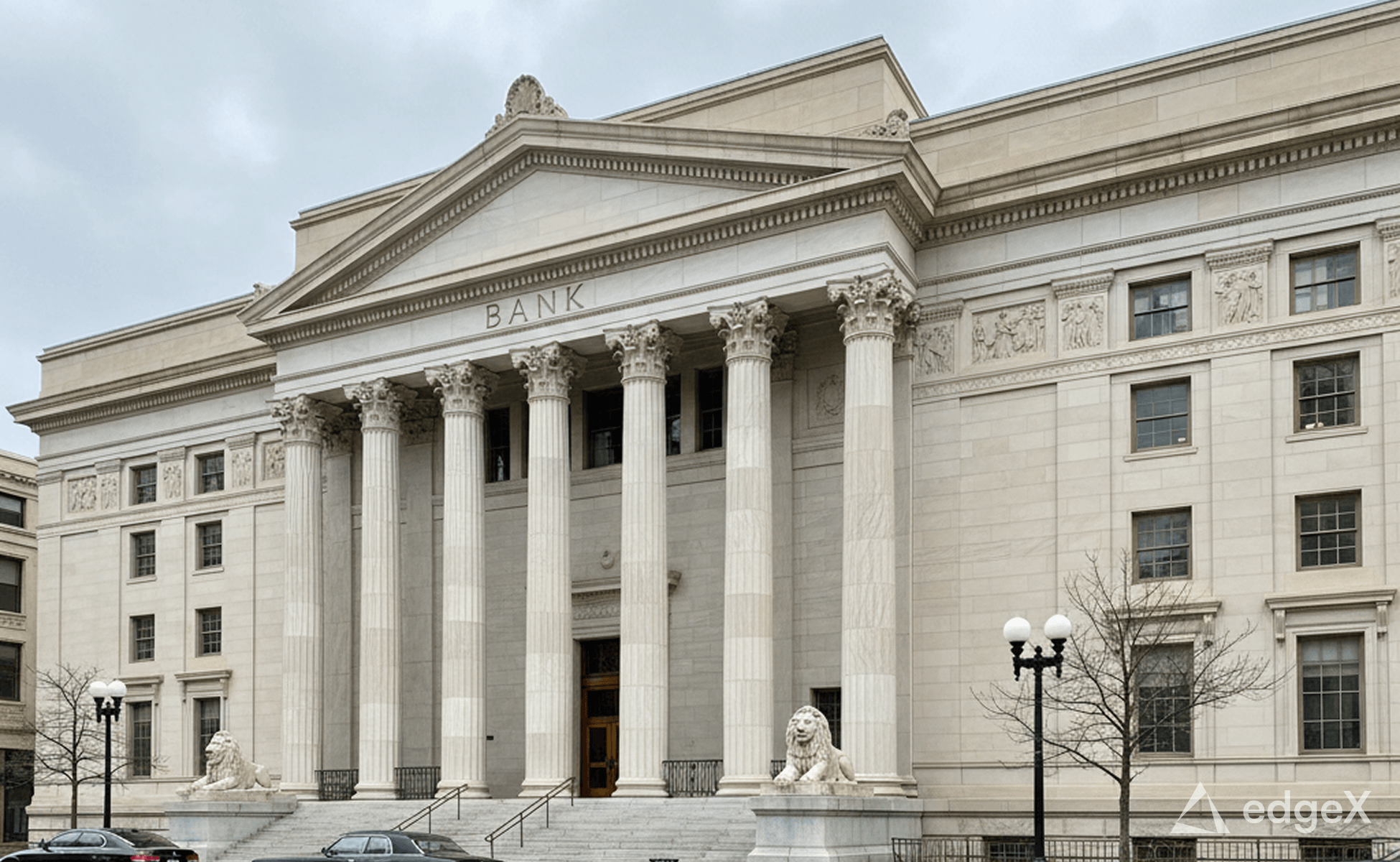
Czech authorities have charged 15 people in connection with BETFIN, a cryptocurrency casino that investigators allege operated without a gambling license. Officials announced the case on November 19, estimating unlawful gains at 267 million Czech koruna, approximately $12 million. Three alleged organizers remain in custody and face up to 13.5 years in prison if convicted.
The charges concern participation in an organized criminal group and unauthorized gambling operations. According to investigators, BETFIN offered games to users in the Czech Republic without permission from the Finance Ministry, an approval required for offering games of chance to domestic users regardless of how a platform markets itself. Although the project promoted decentralized technology, officials allege that its operators maintained central control over the casino, placing the case at the intersection of gambling enforcement and crypto projects that present token structures as decentralized.
Bots Allegedly Inflated Casino Activity
Michal Šimůnek, a senior customs official, said customers could buy tokens to play games such as roulette, or purchase them as investors under an arrangement presented as co-ownership of the casino. Investigators, however, say automated programs created a substantial share of player accounts and inflated apparent activity.
According to Šimůnek, that artificial activity generated supposed casino profits, which the operation then distributed to investors. Developers also issued billions of tokens and encouraged purchases outside exchanges, which officials say allowed the group to collect money without affecting the token's exchange price.
Authorities also identified a discrepancy between the tokens' stated value and available trading liquidity. They placed the declared value of circulating tokens above 45 billion koruna, compared with roughly 11 million koruna in exchange liquidity. Those figures describe different measures: a token's quoted valuation does not establish how much cash buyers can withdraw. For holders of thinly traded tokens, that gap means stated holdings can only be converted to cash to the extent liquidity actually exists.
Raids Followed Lengthy Investigation
The investigation lasted more than a year and included specialist analysis of BETFIN's smart contracts on Polygon, combining on-chain code review with traditional financial investigation. During raids in October, officers detained 20 people and searched more than 40 homes and other premises, with nearly 300 customs officers and police participating alongside personnel from Europol, the European Union's law enforcement agency.
Authorities seized approximately 100 million koruna in assets, including real estate, vehicles, jewelry, cash and cryptocurrency. The High Prosecutor's Office in Olomouc is overseeing the continuing proceedings. Officials said further investigation will determine whether investors suffered losses and, if so, their extent. The case will now test how Czech courts treat an alleged token-based co-ownership model under gambling and criminal law, with the answer turning on evidence gathered in the ongoing investigation.
Source: CryptoMeter io

