GOP Senator John Curtis Breaks With Trump Over Unauthorized Iran War, Citing Vietnam Echoes
Key Takeaways
- •Senator John Curtis of Utah has openly criticized Donald Trump’s war in Iran, making a rare break with the president within the Republican Party.
- •Curtis argued that the conflict lacks congressional authorization and that Congress should define the terms of the war under its constitutional war powers.
- •The Department of Defense says 28 American troops have been killed and more than 750 wounded since the war began in late February.
- •Curtis said the war is contributing to higher gas and grocery prices, which he expects to affect the midterm elections.
- •The conflict has continued for nearly six months, well beyond the 60-day limit referenced in the 1973 War Powers Resolution.
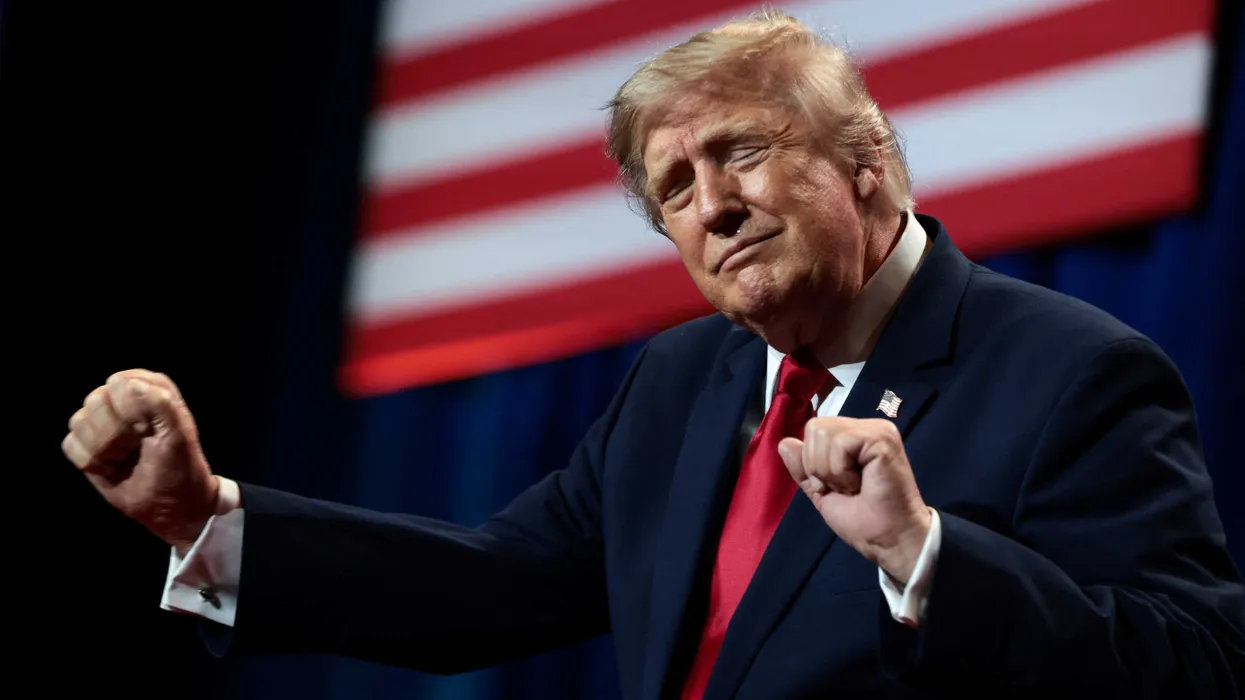
Republican Senator John Curtis of Utah has broken ranks with President Donald Trump, openly criticizing the president's unilateral war in Iran — a rare defection that has made Utah a notable place of rebellion within the president's own party. Utah is among the most reliably Republican states in presidential elections, underscoring how unusual such open intraparty dissent is.
According to the Salt Lake Tribune, Curtis was a teenager during the Vietnam War and still remembers seeing neighbors, just a few years older than he was, being drafted. He also recalled attending a meeting of the Church of Jesus Christ of Latter-day Saints at which a group of seven young men drew straws to decide who would serve an LDS mission while the others were sent to Vietnam.
Now, nearly six months into the military conflict in Iran — which was launched without congressional authorization — Curtis says he sees echoes of the Vietnam disaster in the failings of Trump's war. The Iran war, he said, "is a big deal" precisely because of the absence of congressional authorization for the conflict.
"[The Vietnam War] was as close to a constitutional crisis as this country has had, because we were at war, and Congress never declared war," Curtis said. "It wasn't a little war. We lost way too many people, even those who came home came home very damaged." Congress never formally declared war in Vietnam either — that conflict was fought under the 1964 Gulf of Tonkin Resolution — and World War II remains the last war Congress has formally declared.
The Department of Defense reports that 28 American troops have been killed and more than 750 wounded since the war began in late February. The casualties, the Salt Lake Tribune reports, include Southern Utah University graduate student and U.S. Army First Lt. Tyler James Feehan, who was killed during an Iranian attack on a military base in Jordan.
Despite the death toll and casualties, Curtis said, Congress has failed to perform its constitutional duty and define the terms of the war, and he said Trump blundered by going to war without that approval. That duty is rooted in Article I of the Constitution, which vests the power to declare war in Congress, and in the 1973 War Powers Resolution — passed over President Richard Nixon's veto as Vietnam wound down — which requires presidents to notify Congress within 48 hours of committing forces and to end unauthorized engagements within 60 days, a threshold the Iran conflict passed months ago.
"I can’t undo any of that — but I can insist that Congress step up and define the terms of the war," Curtis said. He added that the war has also contributed to rising costs for voters — including higher gas and grocery prices — which will "no doubt" have ramifications in the midterms.
When Trump launched the war in late February, he promised a quick and tidy operation. Nearly half a year later, the conflict continues, and frustrated Republican insiders are searching for an exit strategy that has not materialized. Voter frustration with the war and the higher gas and grocery costs it brings has made the midterm environment as bad for Republicans as it was "post-Watergate."
On Tuesday, CNN data analyst Harry Enten broke down a new Reuters/Ipsos poll showing Trump's approval 31 points underwater — comparable to the worst days of former President George W. Bush.
Curtis said voters have always had some distrust of politicians in Washington, "but this feels bigger than that."
