Crypto Super PACs Pour $63 Million Into Ohio Senate Race to Keep Sherrod Brown Out
Key Takeaways
- •Fairshake provided the majority of the $63 million spent by crypto super PACs in Ohio, contributing $56 million.
- •The Digital Freedom Fund, backed by Gemini co-founders Cameron and Tyler Winklevoss, supplied the remaining $7 million.
- •Sherrod Brown has been absent from Congress since losing his Senate seat in 2024 and has cast no votes during the 119th Congress.
- •Brown previously chaired the Senate Banking Committee and did not schedule the House-passed FIT21 legislation for a committee vote.
- •The Clarity Act failed to advance in the Senate after falling short of the 60 votes needed to overcome cloture.
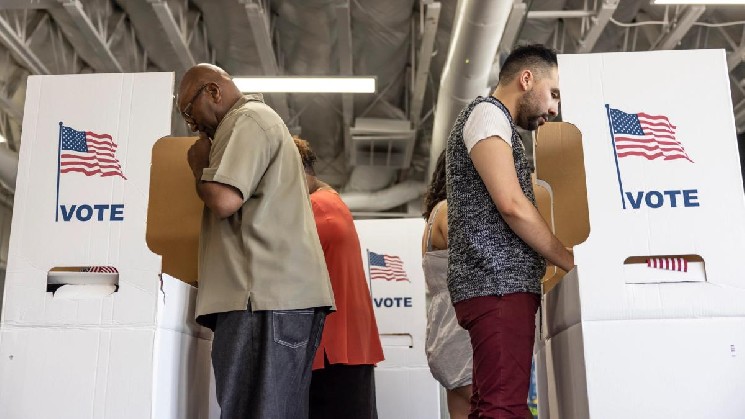
Crypto super PACs — committees permitted to raise and spend unlimited sums to support or oppose candidates so long as they operate independently of the campaigns themselves — have poured $63 million into Ohio's Senate race ahead of Tuesday's vote, with a single objective: keeping former Senator Sherrod Brown, a Democrat, out of the chamber. The contest is one of only three non-presidential races ever to exceed $500 million in total advertising spending — and the second of the current election cycle, behind Texas.
The push came under scrutiny in an opinion column published Monday by CoinDesk, which questions why Fairshake's largest congressional outlay of the 2026 cycle targets a lawmaker who has been absent from the Senate for two years.
The Fairshake super PAC network accounts for $56 million of the Ohio total, with the remaining $7 million coming from the Digital Freedom Fund, the political action committee funded by the Winklevoss twins, the brothers who co-founded the Gemini crypto exchange and were among Bitcoin's earliest prominent investors. A Fairshake spokesperson said the network "always will be an issue-focused organization. We back pro-crypto candidates who support American innovation in both parties."
Brown, however, lost his seat in 2024 and has cast no vote — for or against crypto — during the entire 119th Congress, the two-year session that began in January 2025. Fairshake nonetheless announced its largest funding commitment of the 2026 cycle to block him, just days after Senate Democrats blocked the Clarity Act in a vote in which Brown took no part.
After Brown's 2024 defeat, a Fairshake spokesman said: "Brown was a top opponent of cryptocurrency and thanks to our efforts, he will be leaving the Senate."
Brown chaired the Senate Banking Committee — the panel with jurisdiction over banking and securities legislation — during the crypto industry's early push for federal legislation. He could have scheduled the House-passed FIT21 bill, formally the Financial Innovation and Technology for the 21st Century Act, for a committee vote. He never did.
Brown's record is fair game, the column acknowledges. But it asks whether his 2024 inaction — combined with his total absence from Congress over the past two years — warrants the crypto super PAC network's largest congressional expenditure of 2026.
This Was Never About Merit
If the industry's political spending were genuinely based on legislative records, the column argues, its targets would be obvious. After the 2024 election, industry figures celebrated the arrival of a pro-crypto Congress delivered by the "crypto army." Republicans have controlled the House, the Senate, and the White House for the past two years.
The expectation created by that unprecedented spending was a Congress that would finally deliver a market structure bill — ending the industry's dependence on the political inclinations of whoever happened to chair the SEC or the CFTC.
Instead, the Clarity Act — the market structure bill built for exactly that purpose — failed to overcome cloture, the procedural vote needed to advance legislation in the Senate.
Republicans will say the bill needed 60 votes and could not clear that threshold without Democratic support. That is true. But the same was true of the controversial Laken Riley Act, which requires the detention of certain noncitizens charged with crimes, including shoplifting, without a conviction. So too for the HALT Fentanyl Act and the 21st Century ROAD to Housing Act: all overcame cloture, and all became law.
Different bills require different coalitions, the column concedes. But controlling the majority — along with the calendar, the agenda, and committee assignments — carries the responsibility for negotiating one.
Know When Your Coins Move
The strategy only works if political money translates into actual votes in the voting booth, the author writes. The trap, the column warns, is accepting the premise that loyalty to crypto requires loyalty to the companies financing its politics. Those companies are using the community's name — but they still need the community's votes. Tuesday's tally in Ohio will put that premise to a public test.
Whatever happens in Ohio, the piece concludes, Big Crypto cannot enter the voting booth and cast a vote.
Note: The views expressed in this column are those of the author and do not necessarily reflect those of CoinDesk, Inc. or its owners and affiliates. The column was originally published by CoinDesk on November 2, 2026: Big Crypto wants the one thing it can't buy: your vote.

