Crypto VC Splits by Stage: Record Valuations, Smaller Median Rounds
Key Takeaways
- •The median crypto startup valuation hit a record of roughly $90 million in the third quarter, while the median deal size dropped to about $3 million from an all-time high near $4.9 million the previous quarter.
- •The valuation record draws from a small sample of deals that skewed toward later-stage companies, and a pre-seed share rising to 25% likely explains the shrinking median round size.
- •Second-quarter data showed later-stage companies taking about 78% of the $5.68 billion invested across 384 deals, with the trading, exchange, investing and lending category alone drawing about $3.52 billion from just 51 deals.
- •Capital clustered in older companies—startups founded in 2018 raised about $2 billion—and in U.S.-based firms, which captured 73.5% of dollars but only 39.1% of deal count.
- •Crypto venture fundraising is consolidating, with only five new funds raising roughly $3.9 billion in the second quarter, the fewest since 2019, while the average new fund size grew to about $378 million.
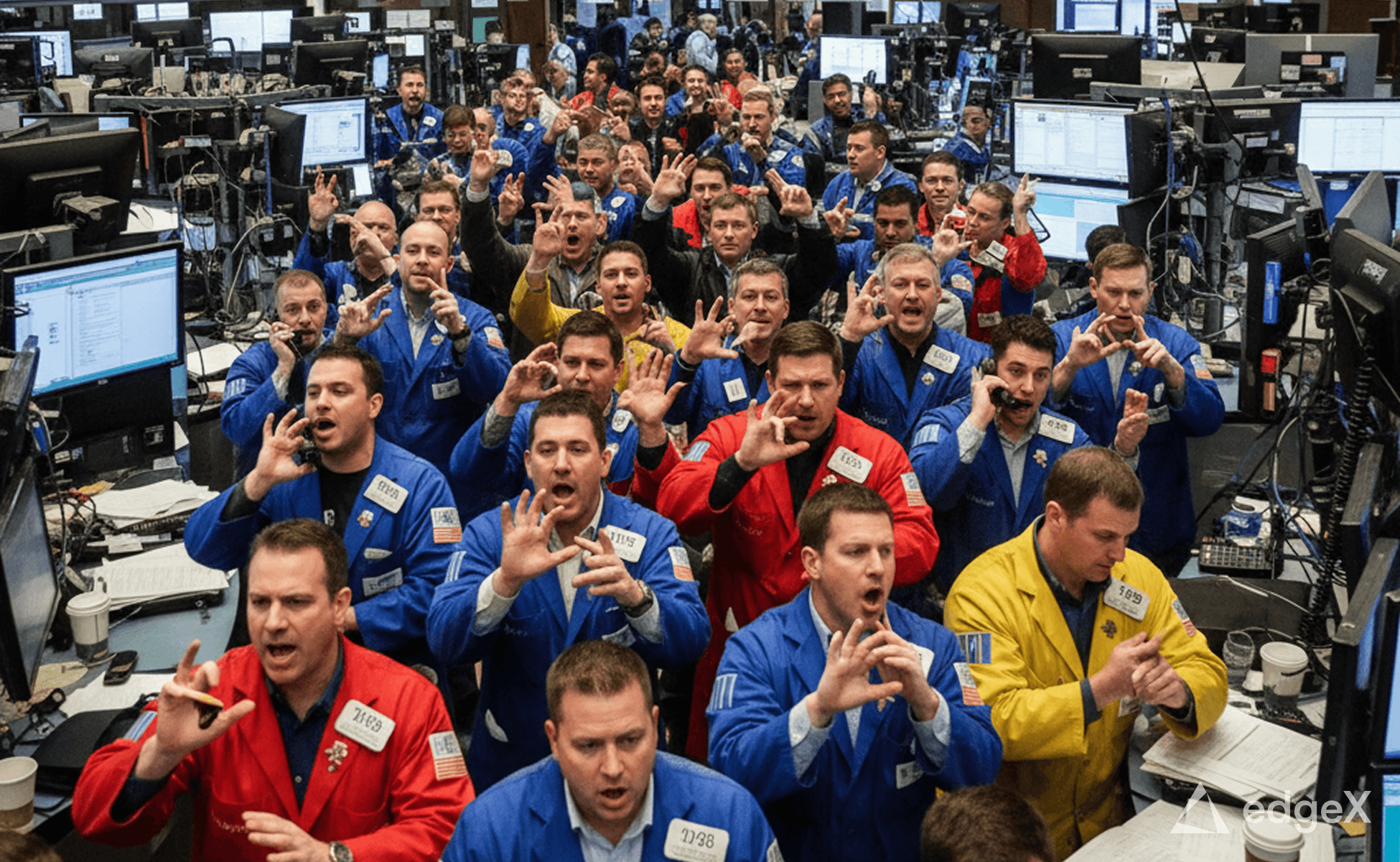
Crypto startup valuations climbed to a record high in the third quarter even as the median deal size shrank, according to an early look at Galaxy's latest venture research — a divergence that points to a deepening split between mature companies and newly formed teams in private crypto markets.
In an October 23 preview of the firm's third-quarter venture report, Galaxy's vice president of research, Thaddeus Pinakiewicz, put the median valuation record at roughly $90 million. The same data showed the median crypto deal sliding to about $3 million from an all-time high of around $4.9 million a quarter earlier.
Valuations Rebounded to a Record After Two Weaker Quarters
The record valuation followed a dip. Galaxy's second-quarter report showed crypto startup valuations peaking in the fourth quarter of 2025, then falling sharply through the first half of 2026 before this quarter's rebound. Valuations across venture capital outside crypto also reached a new high, meaning crypto was moving with the wider private market rather than on its own.
Deal sizes ran on a different clock. They peaked in the second quarter, just as valuations bottomed out, then gave back much of that gain as valuations climbed. Two records arrived back to back, pointing in opposite directions.
The valuation figure carries a caveat: Galaxy had valuation data for only 16% of Q2 deals, and the sample skewed toward later-stage companies.
A Record Drawn From Later-Stage Deals, a Median Pulled Down by Pre-Seed
The likely explanation lies in the shifting composition of deals. Pre-seed — the earliest stage of venture funding, before a company's first institutional round — sits at the new-formation end of that mix, and Galaxy tracks its share as a gauge of founder activity and investor risk appetite. It describes the later-stage share as still elevated against its historical norm — a sign of a maturing market. The pre-seed share had already edged up in the second quarter, so its jump to 25% extends a rise rather than starting one. Both readings point to the deal mix as a probable reason the two records moved apart.
A bigger share of small first rounds can pull the median deal down even if no individual stage raises less. The median marks the middle deal in a ranked list of round sizes rather than an average, so it moves with how rounds are distributed across the market rather than with a few oversized checks. The valuation figure comes from a different slice of the market: the few deals with disclosed valuations skew heavily toward later-stage companies, so the record largely reflects what mature businesses were worth to investors. That explanation fits the data, but Galaxy has not yet published the stage-level figures that would confirm it.
Most of the money was already flowing to established companies before the third quarter. In the second quarter, investors put $5.68 billion into 384 crypto deals, with later-stage companies taking about 78% of the capital. If that pattern held in the third quarter, investors were spreading more small checks across new teams while keeping most of their dollars with mature ones.
Older Companies Collect the Dollars, Younger Ones the Deals
Galaxy's second-quarter breakdown shows how deep that split runs. Businesses in its trading, exchange, investing and lending category raised about $3.52 billion — roughly three-fifths of all capital — from just 51 deals, and more than nine-tenths of that money went to later-stage companies.
Where the dollars went in Q2:
- About 60% to a single category, from 51 deals
- Roughly $2 billion to companies founded in 2018
- 73.5% to U.S.-based companies
Where the deals went in Q2:
- 40 each in payments and DeFi
- Most deals to companies founded in 2025
- 39.1% to U.S.-based companies
By deal count, activity was far more spread out. Payments and rewards startups and DeFi projects each closed 40 deals, followed by Web3 and gaming companies with 37, tokenization with 36, enterprise blockchain with 34 and infrastructure with 32. Galaxy found meaningful pre-seed or seed activity in enterprise blockchain, DeFi, privacy and security, tokenization, mining and payments, while wallets and layer-2 projects skewed toward mature companies.
Company age follows the same pattern. Startups founded in 2018 raised the most capital in the second quarter, about $2 billion, ahead of the 2020 cohort at roughly $1.1 billion, while companies founded in 2025, 2022 and 2023 led by number of deals. Geography splits the same way: U.S.-based companies took 73.5% of the dollars but only 39.1% of the deals.
Why the Smaller Median Matters More to Founders
A valuation sets the price of ownership, while the cash raised determines how long a company can keep operating. At a net burn of $250,000 a month, the difference between the quarters' medians looks like this:
- A $3 million round (the Q3 median): 12 months of runway
- A $4.9 million round (the Q2 median): about 20 months of runway
A higher valuation lets founders sell a smaller stake for the same money, but it does not add a month of runway.
The venture funds behind those checks are consolidating. Galaxy counted roughly $3.9 billion raised across just five new crypto venture funds in the second quarter — the fewest in a quarter since 2019 — yet the average new fund grew to about $378 million and the median to about $80 million. Annualized, first-half fundraising points to around $10 billion for 2026, above the $8.75 billion raised in 2025. More money is going to fewer managers, and Galaxy says AI, spot crypto exchange-traded products and digital asset treasury companies are competing for the same allocators. Larger funds tend to write larger checks, which may leave the smallest first rounds to a narrower group of early-stage specialists.
What Galaxy's Full Q3 Report Should Settle
Galaxy says its full quarterly report is coming soon. Three figures in it will test this reading.
Total capital and deals. The first half brought $10.02 billion across 744 deals. Matching 2025's $20.3 billion would take about $5.1 billion a quarter. A few large rounds can swing totals, as one deal did in Q1 2025.
Deal size by stage. Steady medians within each stage would confirm the pre-seed mix as the main reason the overall median fell.
Later-stage capital share. A figure near Q2's 78% would show most money still going to mature companies as early deals multiply.
This article is provided for informational purposes only and does not constitute financial or investment advice. Private-company valuations and funding estimates depend on available disclosures.

