Why Crypto Gaming Still Relies on Traditional Payment Rails
Key Takeaways
- •Cryptocurrency deposits typically begin with traditional money, as customers usually purchase digital assets through bank transfers, payment cards, or exchanges before funds reach the blockchain.
- •Strong demand for direct Canadian-dollar payments sustains specialist providers such as Gigadat, which connect online gaming platforms to conventional banking infrastructure.
- •Crypto-only platforms introduce friction through wallet setup, asset purchases, network selection, and blockchain confirmations, limiting their reach compared with operators both fiat and crypto options.
- •Stablecoins remain tied to the traditional economy, since operators need banking relationships to pay employees, suppliers, taxes, and business partners even when settling in digital assets.
- •Because blockchain transactions are irreversible and crypto prices are volatile, operators depend on traditional payment systems for dispute resolution, compliance monitoring, and stable reserves to honor withdrawals.
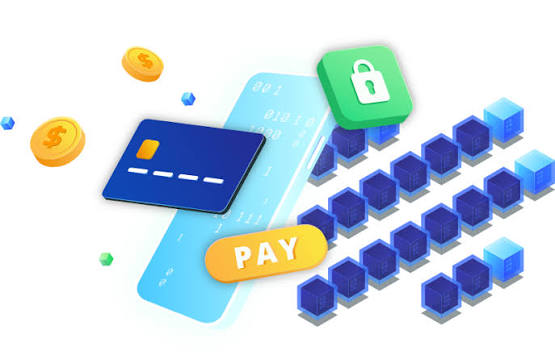
Cryptocurrency has handed online businesses a new mechanism for moving money. Bitcoin, Ethereum, stablecoins, and other digital can settle cross-border transactions while appealing to customers who already hold crypto. Yet even gaming hubs built around digital currencies continue to rely on conventional payment infrastructure. Bank transfers, payment cards, digital wallets, and specialist processors remain essential because most customers earn, save, and manage their money in government-issued currencies.
Crypto expands the entertainment cashier. It does not replace the wider financial system.
Most Customers Start With Traditional Currency
Before a player can deposit cryptocurrency, they must first acquire it—and that purchase usually begins with Canadian dollars, US dollars, euros, or another conventional currency. Customers typically buy digital assets through a bank transfer, a payment card, a centralized exchange, or a payment app, meaning the funds reach the blockchain via a traditional payment method. The same sequence often runs in reverse when players convert digital assets back into money held in a bank account.
For online gaming platforms, the implication is clear: crypto cannot be the only convenient option. Many Canadian players want to deposit directly in Canadian dollars without buying a digital asset, setting up a crypto wallet, selecting a blockchain network, or paying conversion fees. That demand sustains specialist payment services that connect online accounts with familiar banking infrastructure.
Gigadat, a Canadian financial technology provider, helps participating online gaming hubs facilitate deposits and, where supported, withdrawals through online banking payment services. Industry analysis websites such as Casino.ca track Gigadat casinos and compare deposit limits, withdrawal processes, and payment conditions—a measure of how much demand exists for simple Canadian-dollar payments.
That demand explains why even crypto-focused platforms benefit from keeping traditional rails. Supporting both systems allows an operator to serve experienced crypto users while remaining accessible to customers who manage their money in conventional currency.
Crypto-Only Platforms Shrink Their Potential Audience
Cryptocurrency ownership has grown substantially, but many people still do not use digital assets for routine payments. Some hold crypto primarily as an investment, while others remain unfamiliar with wallets, blockchain networks, and transaction fees.
A crypto-only platform adds several steps to registration and deposit. A customer may need to open a wallet, purchase an asset, copy a deposit address, select the correct network, and wait for blockchain confirmation. Each of those steps adds friction before money ever reaches a gaming balance, and traditional payment methods remain simply more familiar to most customers. Offering both fiat and crypto options lets a platform serve experienced crypto users without excluding those who prefer established financial services.
Stablecoins Still Depend on Fiat Infrastructure
Stablecoins are designed to maintain a value linked to an underlying asset, typically a conventional currency such as the US dollar, which makes them more practical for online payments than cryptocurrencies with fast-moving prices.
Even so, stablecoins rely on connections to the traditional economy. Customers need exchanges and payment services through which they can buy or sell them, while operators need banking relationships to pay employees, suppliers, taxes, software providers, and marketing partners. A platform may accept and pay out stablecoins while calculating revenue, liabilities, and operating costs in fiat currency. Its crypto payment system works alongside conventional financial infrastructure, not in place of it.
Regulation Requires Reliable Financial Records
Regulated online businesses must monitor payments regardless of the currency used. Depending on the sector, operators may need to verify identities, check the source of funds, screen transactions, and flag unusual account activity.
Public blockchains create permanent transaction histories, but a wallet address does not reveal who owns it. Operators may use blockchain analytics to review wallet activity, yet they still need verified customer information and effective compliance procedures. Traditional payment providers already operate within identity and transaction-monitoring systems, and their records help operators investigate activity, handle payment queries, and respond to regulatory requests.
Cryptocurrency does not remove the need for financial checks. It typically adds another payment environment that the operator must monitor.
Customers Expect Support When Payments Go Wrong
Blockchain transactions are generally irreversible. That characteristic can reduce some forms of payment fraud, but it offers limited protection when a player enters an incorrect address, chooses the wrong network, or sends an unsupported asset.
Traditional payment systems provide familiar processes for failed transactions, refunds, account recovery, and customer disputes, and they may make it easier to trace delayed payments. Platforms that accept crypto need to offer equally clear support. Customers should understand network fees, confirmation times, minimum payment limits, accepted assets, and what happens if they use an unsupported blockchain.
Operators Must Manage Price Volatility
Cryptocurrency values can shift rapidly. A business holding a volatile digital asset may watch its value fall before it pays suppliers or processes customer withdrawals. Some operators manage this exposure by converting deposits into fiat currency or stablecoins—an approach that requires access to exchanges, custodians, liquidity providers, and banking partners.
Operators also need sufficient reserves in every currency they support. A hybrid payment system makes it easier to honor withdrawals while reducing reliance on the price and liquidity of a single digital asset.
The Future of Online Payments Is Hybrid
Crypto entertainment operations are unlikely to abandon traditional payment routes. The stronger model is a hybrid cashier that combines cryptocurrency with cards, bank payments, digital wallets, and specialist services. Blockchain networks can offer speed, international reach, and flexibility, while traditional rails provide familiarity, broader accessibility, regulatory connections, and established customer-support processes. For readers, a platform's cashier menu is the most direct evidence of this balance: the mix of cards, bank transfers, wallets, and digital assets on offer shows how each operator weights the two systems in practice.
The future is not a choice between cryptocurrency and conventional banking. Online gaming hubs need both, because each system solves different problems and serves different customers.

