Galaxy Research Flags New Risks for Crypto as Democrats Take Both Chambers of Congress
Key Takeaways
- •Democratic victories in both chambers are set to create divided government from January, with Elizabeth Warren and Maxine Waters expected to chair the Senate Banking and House Financial Services committees that oversee financial regulation.
- •The CLARITY Act remains stalled after a Sept. 15 Senate procedural vote failed 49-50, and Galaxy does not expect substantial congressional movement on key digital assets legislation.
- •Galaxy described former Senate Banking Chair Sherrod Brown's unseating of Senator Jon Husted in Ohio as the most notable congressional loss for digital asset advocates.
- •Federal agencies including the SEC, CFTC, and banking regulators can continue clarifying crypto rules under existing statutory authority without requiring congressional action.
- •Crypto and AI PAC-backed candidates lost nine of 12 competitive races but won all 40 safer-seat contests, while voters rejected data center development in 40 of 41 local ballot measures across 10 states.
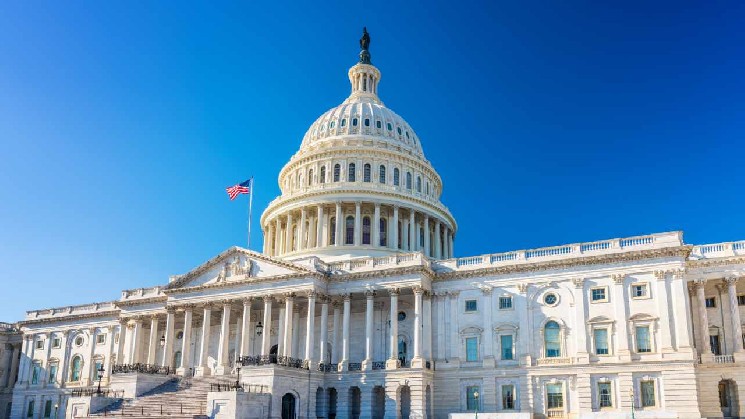
Alex Thorn, head of firmwide research at Galaxy, outlined potential risks to crypto legislation and industry oversight in a Nov. 6 election assessment. Congressional projections from Decision Desk HQ confirmed Democratic victories in both chambers, setting up divided government beginning in January — a configuration in which major legislation generally requires negotiation across party lines.
Thorn expected U.S. Senator Elizabeth Warren (D-MA) to chair the Senate Banking Committee and Rep. Maxine Waters (D-Calif.) to lead the House Financial Services Committee, placing both lawmakers atop the panels that oversee financial regulation. Committee chairs control which bills receive hearings and consideration, giving the incoming leadership direct influence over the fate of any digital asset legislation.
Ohio delivered one of the most prominent defeats for industry-backed candidates, where former Senate Banking Committee Chair Sherrod Brown unseated U.S. Senator Jon Husted (R-OH). Galaxy described Brown's return as the most notable congressional loss for digital asset advocates.
On the legislative outlook, Galaxy stated: "We do not expect substantial movement in Congress on key digital assets legislation."
Closer scrutiny also loomed for Trump family businesses, including World Liberty Financial, a crypto venture offering the USD1 dollar-backed stablecoin. Thorn additionally cited Washington law firms hiring lawyers to help clients respond to anticipated investigations.
Legislation Stalled While Rulemaking Continues
The CLARITY Act, a bill to establish federal oversight and operating rules for crypto markets, suffered a Senate setback ahead of the election. A Sept. 15 procedural vote to advance the bill toward debate failed 49-50 — well short of the 60 votes typically required to advance legislation in the Senate — leaving the legislation stalled. Ripple Chief Legal Officer Stuart Alderoty subsequently called for a more coordinated industry policy message.
House Democrats were discussing an expansion of Waters' proposed crypto investor and consumer bill of rights — a set of customer protections for crypto platforms — into broader market structure legislation.
Thorn said federal agencies could continue clarifying crypto rules under powers already granted by federal law. Those agencies included the Securities and Exchange Commission (SEC), the Commodity Futures Trading Commission (CFTC), and banking regulators. That route does not depend on congressional action, though proposed rules generally go through public comment periods before being finalized.
Market volatility accompanied the political transition. Bitcoin recovered above $80,000 before falling during the broader Nov. 5 sell-off, and Galaxy described technology, artificial intelligence, data center stocks, and crypto trading lower together. The firm also reported that voters opposed data center development in 40 of 41 local ballot measures across 10 states, reflecting broad local resistance to data center construction even as the industry focused on federal policy.
Bipartisan Wins Offset Some Industry-Backed Defeats
Ripple CEO Brad Garlinghouse emphasized bipartisan election victories while calling for clear rules and continued digital asset development in the United States. Alderoty likewise said the company looked forward to working with both parties.
Within Congress, Galaxy highlighted the reelections of Democratic Reps. Josh Gottheimer and Ritchie Torres, alongside Republican House Agriculture Committee Chair Glenn Thompson.
Michael Saylor, executive chairman of Strategy Inc. (Nasdaq: MSTR), pointed to bitcoin reserve supporters winning in both parties. Republican Byron Donalds won Florida's gubernatorial election after backing a federal bitcoin reserve, while Democrat James Talarico won a U.S. Senate seat in Texas. Talarico had supported his state's reserve legislation while serving in the Texas House.
The industry's electoral results varied sharply between competitive contests and safer seats in the tracking Galaxy cited. Researcher Molly White found that the slate backed by crypto and AI political action committees lost nine of the 12 competitive races called as of Nov. 4. In safer races, the same tracker recorded victories for all 40 industry-backed candidates.

