Crypto Investing Risks in 2026: Hacks, Regulatory Shifts, and DeFi Vulnerabilities
Key Takeaways
- •More than $3.4 billion was stolen in crypto-related incidents in 2025, including $1.5 billion in the Bybit incident.
- •Crypto scams and fraud cost an estimated $17 billion in 2025 and were described as far more profitable than traditional scams.
- •Holding assets on centralized exchanges can expose investors to withdrawal limits, custody risks, and platform disruptions.
- •Stablecoins surpassed a $300 billion market capitalization in 2026 and drew greater regulatory scrutiny over reserves and redemption risk.
- •DeFi platforms face technical risks such as smart-contract bugs, oracle failures, and bridge exploits that can cause irreversible losses.
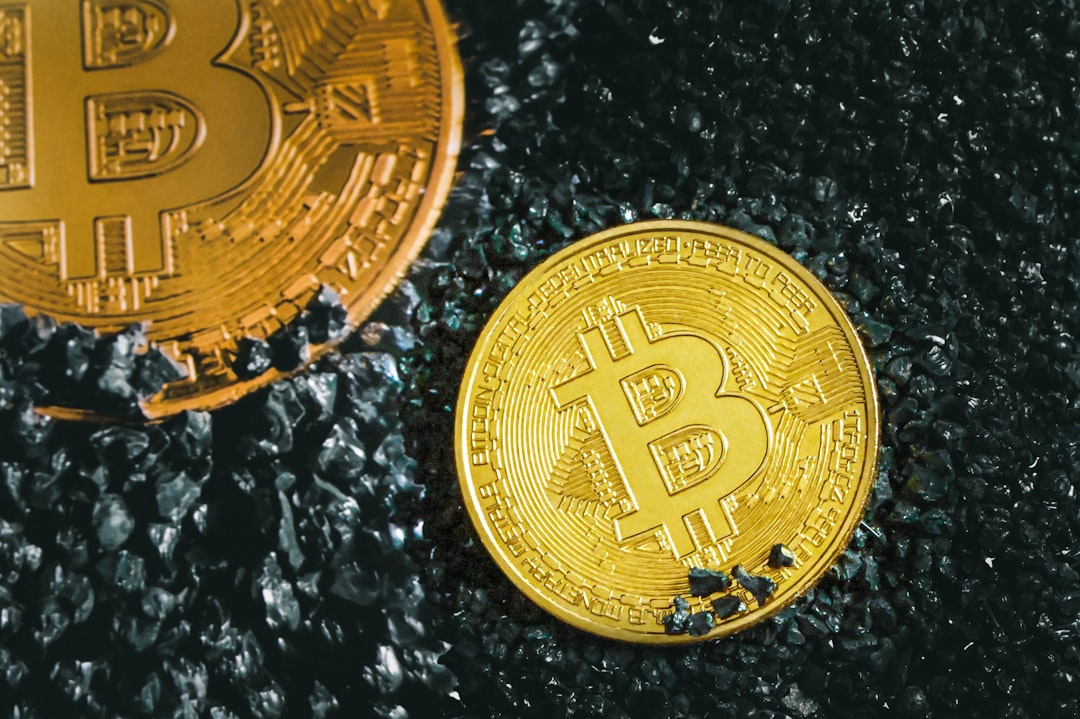
Cryptocurrency investing provides exposure to a fast-moving digital asset market, yet it carries distinctive risks that set it apart from conventional investments. Beyond price volatility, market participants must contend with challenges spanning cybersecurity, regulatory evolution, and platform-specific vulnerabilities — pressures that have become increasingly relevant as the sector matures into 2026.
Recent data illustrates just how tangible those threats are. In 2025, more than $3.4 billion was stolen across various incidents, with the Bybit incident alone accounting for $1.5 billion. Losses from compromised personal wallets also climbed, signaling a growing problem for individual investors. Crypto scams and fraud cost the market an estimated $17 billion in 2025 and, according to Chainalysis, proved 4.5 times more lucrative than traditional scams. Taken together, these figures show that the dangers of crypto investing reach well beyond routine price fluctuations, and understanding these distinct risks is crucial for anyone participating in the digital asset space.
Persistent Threat of Hacks and Theft
Financial losses attributed to hacks and theft remain a significant concern. The $3.4 billion stolen in 2025 — a sum that includes the major Bybit incident — demonstrates how exposed digital assets remain to malicious actors.
The problem is not confined to large-scale exchange hacks. Compromises of personal wallets also increased, indicating that individual investors are frequently targeted. The reported $17 billion lost to crypto scams and fraud in 2025 further underscores the pervasive nature of these illicit activities, which often exploit investor trust and technical complexities.
Exchange and Custody Risks
When cryptocurrencies are held on centralized exchanges, investors often do not control their private keys. This arrangement introduces a layer of risk separate from market fluctuations. Exchanges may restrict withdrawals for a variety of reasons, including compliance reviews, security incidents, or liquidity issues.
Before committing substantial funds, an exchange's custody arrangements, withdrawal policies, and proof-of-reserves disclosures warrant careful assessment. Reviewing account-security features is also described as a critical step in mitigating potential losses. These operational details matter because custody practices can determine whether assets remain accessible when markets become stressed or when a platform faces technical or regulatory disruption.
Evolving Regulatory Landscape
The regulatory environment for cryptocurrencies continues to develop unevenly across jurisdictions. Changes in tax laws, stablecoin regulations, exchange licensing requirements, and anti-money laundering (AML) laws can significantly alter the types of assets available and how they can be transferred or traded.
In 2026, stablecoins surpassed a $300 billion market capitalization, drawing increased regulatory scrutiny. Their expanding connections to the traditional financial sector amplify the need for clear and consistent rules. As the framework evolves, it can affect which firms can operate, what disclosures they must provide, and how easily users can move value between crypto markets and conventional payment systems. For more on this dynamic, see how stablecoin competition shifts focus.
Stablecoin Vulnerabilities
While stablecoins are designed to offer price stability, they are not without risk. Investors must remain vigilant regarding issuer risks, reserve risks, and redemption risks, as the stability of these assets depends heavily on the underlying reserves and the issuer's operational integrity.
A June 2026 report from the Bank for International Settlements (BIS) raised concerns about liquidity related to issuers' on-demand redemption obligations. The report noted that reserves might contain less liquid securities, potentially leading to forced asset sales under market pressure. This highlights that even assets intended for stability carry specific financial exposures, which is why reserve composition and redemption mechanics remain closely watched in the market.
Decentralized Finance (DeFi) Specific Risks
Decentralized finance platforms offer opportunities for returns through lending, staking, and liquidity pools, but they also introduce new and complex risks not typically found in traditional financial systems. Unlike conventional institutions, which can reverse transactions, DeFi operations are often immutable.
Specific threats in DeFi include smart-contract bugs, oracle failures, and bridge exploits — technical vulnerabilities that can lead to irretrievable loss of funds. Understanding the intricate mechanisms and potential points of failure in decentralized protocols is essential for participants. New developments in the sector, such as confidential DeFi vaults, aim to address some of these concerns. As DeFi activity continues to expand, these technical risks remain central because they can affect how quickly users can exit positions, recover funds, or rely on protocol-level safeguards.
The digital asset market offers innovation and new investment avenues, but a comprehensive understanding of its distinct risks is paramount. Investors must look beyond superficial price movements to assess the deeper layers of cybersecurity, regulatory uncertainty, and technical vulnerabilities inherent in crypto and DeFi applications.

