Crypto Card Spending Hits Record $705.5 Million in July, Extending Five-Month Growth Trend
Key Takeaways
- •Crypto card spending reached an all-time high of $705.5 million in July, representing a 12.2% increase from June and marking five consecutive months of growth.
- •The spending record was achieved during a period of relative stability in cryptocurrency markets, indicating that adoption is increasingly driven by practical utility rather than speculation.
- •Stablecoins such as Tether (USDT) and USD Coin (USDC) have become especially important to crypto payment growth because their price stability makes them well-suited for everyday transactions.
- •Major financial companies including Visa, Mastercard, and Stripe have established partnerships or re-engaged with crypto payment features, integrating digital assets into existing financial infrastructure.
- •Regulatory developments such as the EU's Markets in Crypto-Assets regulation, which began taking effect in 2024, represent one of the first comprehensive frameworks that could shape the future of crypto payment adoption.
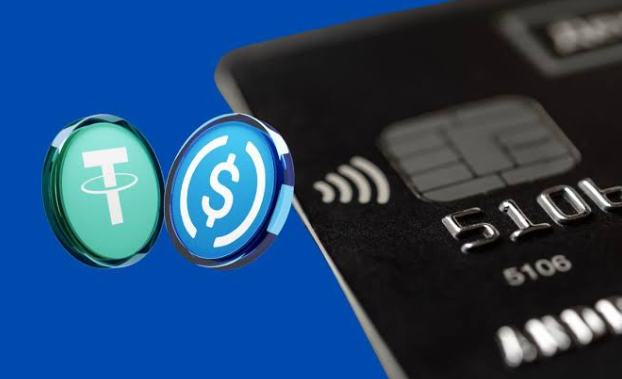
Cryptocurrency is steadily expanding beyond trading markets and into everyday financial activity, with crypto card spending reaching a new all-time high in July as consumers increasingly use digital assets for real-world purchases.
Data shows that crypto card spending climbed to $705.5 million in July, representing a 12.2% increase compared with June and marking the fifth consecutive month of growth.
The rise comes despite relatively calm conditions across cryptocurrency markets, where major digital assets have traded within narrower ranges compared with previous periods of extreme volatility. While investor trading activity may have slowed in some areas, the practical use of cryptocurrencies as a payment method continues to gain momentum.
The development has attracted attention across the digital asset industry after being highlighted by the X account Coin Bureau, which referenced the growth of crypto card usage and the increasing connection between blockchain-based liquidity and traditional commerce.
Crypto Payments Expand Beyond Trading
For much of its early history, cryptocurrency adoption was primarily associated with investment, speculation, and digital asset trading. However, the latest spending data indicates that cryptocurrencies are increasingly being integrated into everyday financial transactions.
Crypto cards allow users to spend digital assets through payment networks that function similarly to traditional debit or credit cards. Instead of requiring merchants to directly accept Bitcoin, Ethereum, or stablecoins, these payment solutions typically convert digital assets into local currency at the point of purchase. This process allows consumers to use cryptocurrency holdings for everyday expenses such as groceries, travel, online shopping, dining, and entertainment. Companies such as Crypto.com, Coinbase, and Binance have been among the more visible providers of such card programs, many of which operate over the Visa and Mastercard networks to reach merchants worldwide.
The growing popularity of crypto cards represents a major step toward bridging the gap between blockchain networks and the traditional economy.
July Sets New Record for Crypto Card Activity
The $705.5 million in monthly crypto card spending represents the highest level recorded so far, according to industry data. The increase extends a five-month growth trend, demonstrating that demand for crypto-based payment solutions has remained consistent even during periods when cryptocurrency markets have lacked major price movements.
Historically, cryptocurrency activity has often followed market cycles. During periods of rising prices, trading volumes typically increase as investor interest grows. However, the continued growth of crypto card spending during a relatively stable market environment suggests that adoption is becoming less dependent on speculation. Instead, consumers appear to be using digital assets as practical financial tools — a shift considered an important milestone for the broader cryptocurrency ecosystem.
Connecting Blockchain Liquidity With the Real Economy
One of the biggest challenges facing cryptocurrency adoption has been the transition from digital asset markets into everyday economic activity. Blockchain networks can process billions of dollars in transactions, but much of that activity has historically remained within exchanges, decentralized finance platforms, and investment environments.
Crypto payment cards serve as a bridge between these digital ecosystems and traditional commerce. By allowing users to spend crypto holdings at millions of merchants worldwide, payment cards transform blockchain liquidity into usable purchasing power. This connection between on-chain assets and real-world spending is viewed by many industry participants as a critical step toward mainstream adoption.
The growth of crypto card transactions suggests that digital assets are gradually becoming part of broader financial behavior rather than existing only as investment instruments.
Stablecoins Play a Major Role in Payment Growth
Although many cryptocurrencies can be used through payment cards, stablecoins have become especially important in the growth of crypto spending. Stablecoins are digital assets designed to maintain a stable value, usually pegged to traditional currencies such as the U.S. dollar. Their lower price volatility makes them more suitable for everyday payments compared with assets that can experience large price swings. Tether (USDT) and USD Coin (USDC) rank among the most widely used stablecoins by market capitalization and are commonly integrated into crypto payment platforms.
Consumers and businesses often prefer predictable payment values, making stablecoins an attractive option for digital commerce. Many crypto payment providers have integrated stablecoin support because it allows users to maintain digital balances while reducing exposure to market fluctuations. As stablecoin adoption continues expanding, crypto payments may become more accessible to users who are less interested in cryptocurrency trading but want the benefits of blockchain-based transactions.
Why Consumers Are Turning to Crypto Cards
Several factors are contributing to the rising popularity of crypto cards. One major advantage is convenience. Instead of converting cryptocurrency into bank funds before making purchases, users can spend directly from their digital asset balances, reducing friction and making cryptocurrency ownership more practical.
Another factor is global accessibility. Traditional banking systems can involve restrictions, delays, or additional fees for international transactions. Crypto payment systems operate through global blockchain networks, allowing users to move and spend digital assets across borders more efficiently. For individuals who frequently travel, work internationally, or participate in global digital economies, crypto cards provide an alternative payment option.
The ability to combine blockchain assets with traditional payment networks has become one of the strongest drivers behind adoption.
Financial Institutions Explore Digital Payments
The growth of crypto card spending is also attracting attention from traditional financial companies. Payment networks, fintech firms, and financial institutions have increasingly explored blockchain technology as they seek new ways to improve transaction efficiency. Both Visa and Mastercard have established partnerships with crypto firms to support card programs, and payments processor Stripe has also re-engaged with crypto-based payment features after scaling back earlier efforts.
Rather than replacing traditional payment systems entirely, many companies are developing solutions that integrate digital assets into existing financial infrastructure. This approach allows consumers to benefit from blockchain technology while continuing to use familiar payment methods. The expansion of crypto cards demonstrates how digital assets are becoming increasingly connected with established financial networks.
Market Stability Does Not Halt Adoption
The latest spending data provides an important contrast with broader cryptocurrency market conditions. While Bitcoin and other major digital assets have experienced periods of limited price movement, consumer usage continues to increase.
This suggests that cryptocurrency adoption may be entering a different phase. Instead of relying solely on price speculation, the industry is gradually developing practical applications that support everyday use. Payment adoption, merchant integration, and financial services could become increasingly important indicators of cryptocurrency growth.
Challenges Facing Crypto Payment Expansion
Despite strong growth, crypto payment systems still face several challenges. Regulatory uncertainty remains one of the biggest issues affecting the industry. Governments worldwide continue developing rules surrounding digital assets, payments, taxation, and consumer protection. In the European Union, the Markets in Crypto-Assets (MiCA) regulation began taking effect in 2024, establishing one of the first comprehensive frameworks for crypto asset service providers. Clear regulations could encourage wider adoption by providing businesses and consumers with greater confidence.
Another challenge involves transaction costs and user experience. While blockchain technology can enable fast payments, some networks still experience congestion or higher fees during periods of heavy activity. Payment providers must continue improving infrastructure to ensure transactions remain efficient and affordable.
Security is also a major consideration. As digital assets become more widely used for payments, protecting users from fraud, hacking, and unauthorized transactions remains a critical priority.
Opportunities for Merchants
The expansion of crypto cards may also create new opportunities for merchants. Businesses accepting crypto-enabled payments can potentially access a broader customer base, including users who prefer digital assets over traditional banking methods. International businesses may benefit from faster settlement options and reduced dependence on traditional payment intermediaries.
For online businesses, blockchain payments could provide additional flexibility for serving customers around the world. Although crypto payments currently represent a small portion of global commerce compared with traditional payment methods, continued growth could reshape the way businesses approach digital transactions.
The Broader Significance
The record level of crypto card spending in July highlights an important trend within the digital asset industry: cryptocurrency adoption is increasingly moving from investment-focused activity toward practical financial applications. Consumers are demonstrating demand for tools that allow them to use digital assets in everyday situations.
As payment infrastructure improves and more companies integrate blockchain technology, crypto cards could become a more common part of global financial systems. The combination of blockchain efficiency, stablecoin accessibility, and traditional payment networks creates a pathway for broader adoption.
The increase to $705.5 million in monthly crypto card spending reflects a broader transformation in how digital assets are being used. Cryptocurrency is gradually evolving from an alternative investment category into a technology that supports real economic activity. The continued growth of payment usage, even during periods of quieter market conditions, suggests that adoption is becoming increasingly driven by utility rather than speculation.
For the cryptocurrency industry, the latest milestone reinforces the view that the future of digital assets will depend not only on market prices but also on their ability to solve practical financial problems.

