Ten Careers Powering the Creator Economy Beyond the Camera
Key Takeaways
- •Goldman Sachs valued the global creator economy at approximately $250 billion in 2023 and projects it could nearly double to $480 billion by 2027.
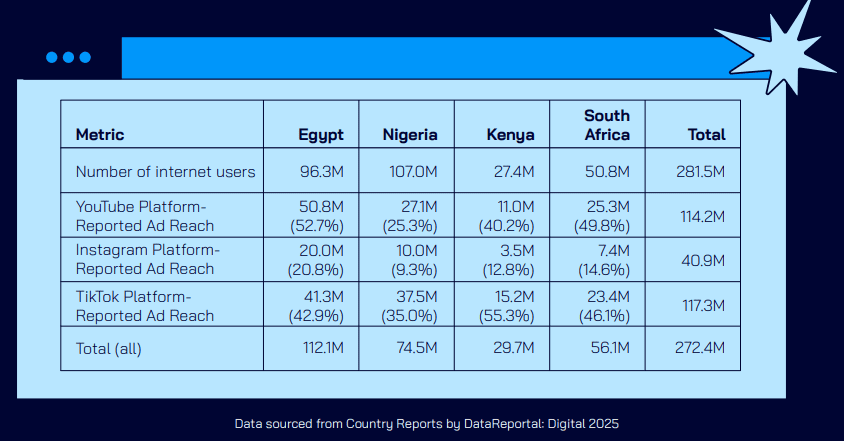
- •A Communique report estimates Africa's creator economy will grow from $3.08 billion to $17.84 billion by 2030, with 272 million verified ad-reachable accounts across YouTube, TikTok, and Instagram combined.
- •The article highlights ten distinct professional roles—including talent manager, podcast producer, cinematographer, screenwriter, and newsletter editor—that do not require creators to appear on camera.
- •Many African creators rely on international brand deals and diaspora audiences for meaningful income due to limited platform monetization access and underdeveloped local payment infrastructure.
- •Creator educator Salem King notes that professionals can build profitable careers by solving operational problems for creators rather than competing as content producers themselves.
The creator economy has quietly grown into one of the fastest-expanding digital sectors, generating professional opportunities that extend far beyond the individuals appearing on screen. Goldman Sachs estimated the global creator economy at approximately $250 billion in 2023, projecting it could reach $480 billion by 2027 — a trajectory that places it alongside traditional entertainment and media industries in scale. From newsletter editors to talent managers, thousands of professionals now earn a living because creators create.
As creators convert personal brands into full-fledged businesses, they are hiring specialists to handle operations, negotiate partnerships, build communities, analyse performance, and manage the infrastructure behind their output. Many of these roles require neither influencer status nor viral fame.
A Booming African Market
The Nigerian Investment Promotion Commission (NIPC) estimated Nigeria's creator economy at $6.4 billion in 2024.
In 2026, Africa's creator economy — spanning the continent's largest markets of South Africa, Egypt, Nigeria, and Kenya — commands over 114 million verified, ad-reachable users on YouTube and TikTok each, while Instagram adds another 41 million. Combined, that accounts for 272 million reachable accounts across just three platforms.
Communique revealed in its latest report that the African creator economy represents a $3.08 billion market projected to reach $17.84 billion by 2030. Despite this growth, creators continue to struggle with local monetisation even as global audiences consume their content in growing numbers. Limited access to platform monetisation programmes, underdeveloped payment infrastructure, and lower advertising rates in many African markets mean creators frequently depend on international brand deals and diaspora audiences to earn meaningfully from their work.
"You Don't Need to Set Up a Tripod"
Creator educator Salem King, a vocal advocate for the professionalisation of the creator economy, emphasises that not everyone needs to be a content creator to earn within it.
"There are now plenty of roles to profit from that don't involve ever setting up a tripod, because the industry is growing faster than creators can keep up with the backend of their growth," Salem said.
His observation underscores a broader shift across the industry. The creator economy is no longer sustained by creators alone; it is supported by an ecosystem of specialists who help ideas reach audiences, turn content into businesses, and transform influence into lasting income.
"Creators who are well paid are always happy to pay someone to make those problems go away. You can build a profitable career by supporting creators, rather than competing with them," Salem added.
1. Talent Manager
A talent manager ensures a creator's career keeps advancing while the creator concentrates on producing content. Creators may excel at making videos but struggle with responding to brand emails, negotiating contracts, planning appearances, or evaluating opportunities. Talent managers handle the business side — connecting creators with brands, negotiating deals, organising schedules, and guiding long-term career decisions.
The role has roots in the traditional entertainment industry's talent agency model, but it has adapted to the creator economy's faster deal cycles, shorter campaign timelines, and more diverse revenue streams — from sponsored posts and merchandise to subscription platforms and live events.
Olufemi Oguntamu, Founder of Penzaarville Africa, exemplifies this role. He manages creators including Layi Wasabi, Broda Shaggi, Ifedayo Agoro, and Tayo Aina.
2. Podcast Producer
A podcast producer ensures every episode sounds professional and reaches listeners effectively. Their responsibilities extend well beyond pressing record: they help shape episode concepts, schedule guests, manage recordings, edit audio, write show notes, and publish episodes across streaming platforms.
Arese Ugwu illustrates how podcasting can anchor a broader media brand. Through The Smart Money Tribe Podcast, she produces conversations around personal finance, business, and entrepreneurship, extending the Smart Money Africa ecosystem beyond books and television.
3. Cinematographer and Video Editor
Every viral video begins as raw footage. A cinematographer transforms that material into a compelling narrative by removing unnecessary scenes and adding music, transitions, captions, sound effects, and graphics that keep viewers engaged.
Many of Nigeria's most prominent creators, including Kiekie, Taooma, and Chef T, rely on skilled editors to maintain the quality and consistency their audiences expect.
Esiaga Favour is widely recognised in Nigeria's creator ecosystem as a cinematographer, filmmaker, and creative educator. Beyond editing, he teaches creators how to produce high-quality visual content and has built a personal brand around filmmaking.
4. Event Manager
Content does not always end on a screen. Increasingly, creators are bringing their communities offline through conferences, workshops, masterclasses, networking events, live podcasts, and product launches. Bringing these experiences to life requires an event manager.
Event managers plan and coordinate every detail — from venue and vendors to guest experience, scheduling, and logistics.
Funke Bucknor-Obruthe, founder of Zapphaire Events, has spent decades producing some of Nigeria's most celebrated events. Her work demonstrates how event management goes beyond organising gatherings to creating memorable experiences that strengthen brands, build communities, and deepen audience engagement.
5. Screenwriter
Behind every memorable video, web series, or branded campaign is a story that holds attention. Screenwriters take ideas and turn them into scripts with engaging dialogue, clear structure, and emotional resonance.
Tunde Babalola is one of Nigeria's leading screenwriters, with credits on acclaimed film and television productions. He is a multi-award-winning British-Nigerian writer known for October 1 (2014), Citation (2020), and Funmilayo Ransome-Kuti (2024).
6. Community Builder
Having thousands of followers is not the same as having a community. An audience may watch content passively, but a community engages with it, shares it, attends events, and returns because they feel connected.
A community builder creates that sense of belonging — sparking conversations, encouraging participation, organising online and offline experiences, and ensuring members feel seen and valued.
Hauwa Lawal has built a highly engaged community through her witty, personality-driven content and relatable social commentary. Rather than simply accumulating views, she has cultivated a loyal audience that actively participates in conversations, shares her work, and identifies with her distinctive voice.
7. Newsletter Editor
Newsletters have become one of the most powerful tools for creators to communicate directly with their audiences. Unlike social platforms, where algorithmic changes can throttle reach overnight, newsletters give creators a owned channel to subscribers who have explicitly opted in. A newsletter editor plans editions, writes or edits articles, structures content, checks grammar, refines headlines, and ensures each email delivers value before it reaches subscribers.
Salem King, through his "Daily Dose of Creative Momentum" newsletter on LinkedIn and Substack, exemplifies how newsletter publishing and editing can build lasting influence.
8. Brand Strategist
A creator's brand extends well beyond a logo or colour palette. A brand strategist helps creators define how they want to be known, which audiences they want to reach, and which opportunities align with their values.
This role grows increasingly critical as creators evolve from individuals posting content into businesses with products, partnerships, and long-term objectives.
Adaora Mbelu is a brand strategist who has worked with both multinational brands and creators, helping them articulate and execute their vision.
9. Animator and Illustrator
Not every story requires a camera. Animators and illustrators create visual content that helps creators explain ideas, entertain audiences, and strengthen their brands. Their work spans character design, digital illustrations, animated explainer videos, social media graphics, and visual storytelling.
Israel Obasola, popularly known as Israel Oba, has built a career as an illustrator and visual storyteller, using digital art to create compelling campaigns for brands and organisations. His work reflects the growing demand for illustrators and animators as creators seek distinctive visual identities in a competitive digital landscape.
10. UGC Creator
Unlike traditional influencers, User-Generated Content (UGC) creators do not necessarily need a large audience. They produce authentic-looking videos and photos for brands, which companies then publish on their own social media channels or use in advertising.
As businesses increasingly prioritise relatable content over polished advertisements, UGC creation has emerged as one of the fastest-growing entry points into the creator economy. Global brands from Coca-Cola to Shopify have incorporated UGC into their marketing playbooks, a shift that has expanded demand for creators who can produce this content at scale.
Tobi Ayeni, known as Miss Techy, is a strong example. While recognised as a tech creator, she also produces product-first content for brands that reflects the style of user-generated content campaigns.
The creator economy's continued expansion suggests that the demand for these behind-the-scenes professionals will only deepen as more creators recognise the value of building teams around their craft.

