Jim Cramer Warns Kevin Warsh Could Clash With Trump Over Fed Interest-Rate Policy
Key Takeaways
- •Jim Cramer said Kevin Warsh could clash with Trump if the incoming Fed chair follows traditional monetary policy instead of responding to calls for lower interest rates.
- •Kevin Warsh served as a Federal Reserve governor from 2006 to 2011, spanning the global financial crisis, and has since frequently commented on monetary policy.
- •Trump has repeatedly pushed for lower interest rates, a recurring element of his economic agenda that has heightened attention on White House-Fed relations.
- •Cramer's comments describe a possible conflict rather than a confirmed dispute, and no specific policy decision or rate forecast by Warsh was provided.
- •The central question is whether Warsh will preserve Fed independence and its traditional policy framework when facing sustained pressure from the White House.
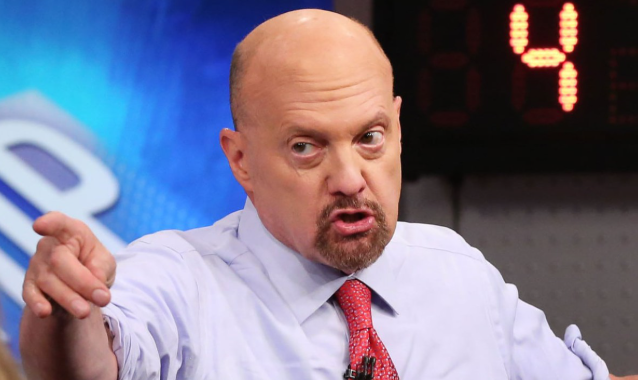
Comments by Jim Cramer, reported by Cointelegraph, center on the potential relationship between Kevin Warsh and the Trump administration once Warsh assumes the Federal Reserve's top position. The core issue is whether Warsh would prioritize established monetary-policy principles over political demands for lower borrowing costs.
Warsh Faces Potential Policy Tension
According to the report, Cramer said Warsh could clash with Trump if the incoming Fed chair follows traditional Federal Reserve policy rather than responding to calls for lower interest rates.
The potential disagreement reflects a broader tension surrounding the central bank's approach to interest rates. Trump has repeatedly pushed for lower rates, while the Federal Reserve traditionally makes monetary-policy decisions based on economic conditions, including inflation and employment.
Warsh is no stranger to the institution: he served as a Federal Reserve governor from 2006 to 2011, a period that included the global financial crisis, and has since been a frequent commentator on monetary policy. That background gives his upcoming tenure added weight in debates over how the Fed should respond to political pressure.
Cramer's comments focus on the possibility that those differing positions could become a source of conflict once Warsh takes over leadership of the central bank.
The remarks do not establish that a dispute between Warsh and Trump will occur. Rather, they describe a potential clash should Warsh maintain a conventional policy approach and resist pressure to reduce rates.
Focus Turns to Federal Reserve Independence
The incoming leadership at the Federal Reserve is likely to draw attention to how monetary policy will be handled under Warsh. The specific question raised by Cramer is whether the new chair will maintain the Fed's traditional policy framework when faced with demands from the White House.
Fed independence from the executive branch has long been treated as a cornerstone of U.S. monetary policy, on the view that rate decisions insulated from short-term political considerations better serve price stability over time. Public pressure from a sitting president on the central bank is not new, but sustained White House calls for easier policy typically intensify scrutiny of how the chair responds.
Interest-rate decisions have broad consequences for financial markets and the wider economy, but the X post does not provide a forecast for rates under Warsh or identify any specific policy decision he intends to make.
Cramer's assessment is therefore centered on the potential relationship between the president and the future Fed chair rather than an announced change in monetary policy.
Trump's Push for Lower Rates
Trump's preference for lower interest rates has been a recurring feature of his economic policy agenda. His calls for reduced borrowing costs have placed additional public attention on the relationship between the White House and the Federal Reserve.
For Warsh, the challenge described by Cramer would involve balancing the administration's preference for lower rates against the traditional responsibilities of the central bank.
How this dynamic unfolds is likely to be watched closely on several fronts: the Fed's upcoming rate decisions, any further public comments from the White House on monetary policy, and how Warsh frames the central bank's mandate in his first public appearances as chair.
The key question raised by the report is whether Warsh would maintain that approach if the White House continues pressing for easier monetary policy, potentially putting the incoming Fed chair and Trump at odds over the direction of U.S. interest rates.
