Corruption Overtakes the Economy as Voters' Top Concern, New Polls Show
Key Takeaways
- •New polling from Fox News and CNBC shows government corruption has replaced the economy as American voters' top issue, ranking above health care, inflation, and gas prices.
- •Financial Times surveys found roughly 69 percent of registered voters and almost half of those who backed Trump in 2024 expressed concern about corruption, self-dealing, or conflicts of interest in the Trump White House.
- •Atlantic writer David A. Graham argues that, unlike defining past scandals such as Teapot Dome, Watergate, or Whitewater, no single story has broken through, with voters instead steadily souring on the president.
- •Graham says challengers can draw on issues including White House projects funded by undisclosed donors, Trump's antagonistic Ukraine policy, and the unpopular Iran war, which critics link to Trump family business relationships.
- •A party winning a House majority in November would gain investigatory power to examine Trump administration actions, with the outcome to be decided at the ballot box.
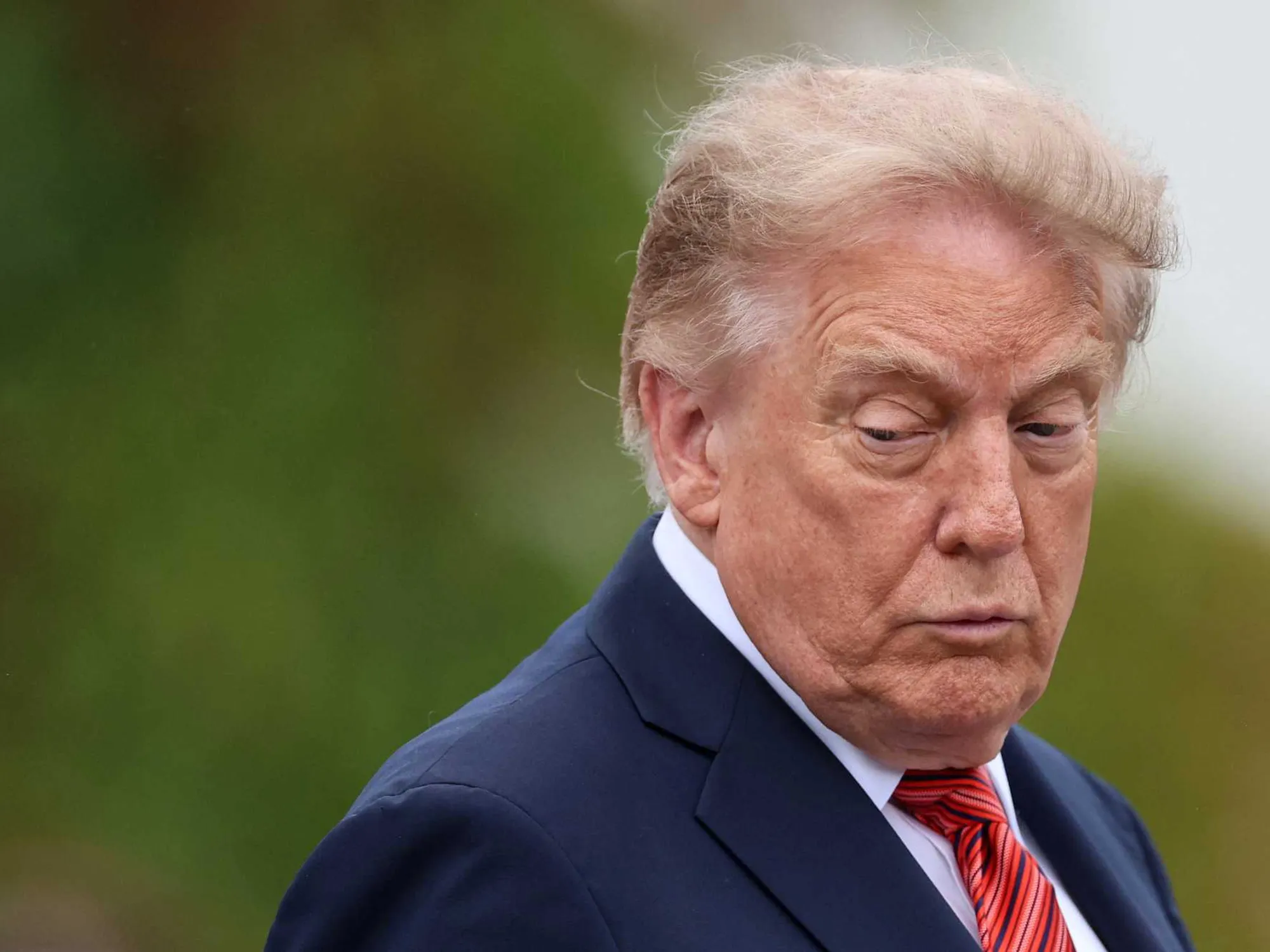
President Donald Trump's "Make America Great Again" movement has stood as a bulwark against gaffes, scandals, missteps, stagnant paychecks, and sky-high inflation. Something, however, appears finally to have cracked that shell, according to a new analysis in The Atlantic — and observers are surprised that it was not the economy. The findings land in the closing stretch of a midterm cycle — the first nationwide vote since Trump returned to office — with all 435 House seats and roughly one-third of the Senate on the line.
"One fundamental truth of politics is that ultimately all voter decisions come down to money," wrote Atlantic staff writer David A. Graham. He pointed to Dwight Eisenhower's 1956 landslide over Adlai Stevenson, James Carville's famous 1992 declaration for Bill Clinton's presidential campaign — "It's the economy, stupid" — and President Joe Biden's failed effort to persuade Americans during his term that they were doing better than they believed.
That logic, Graham noted, also explains why some Democratic politicians and strategists counseled candidates against placing Trump and his scandals at the center of their campaigns, arguing that a focus on "kitchen table" issues such as inflation and housing costs would pay off instead.
Economic worries have been a reliable argument in countless midterm campaigns, and this cycle has been helped along by Trump himself, who has "not only dismissed worries about affordability as a 'hoax,' but has also gone out of his way to worsen inflation by launching a war in Iran," Graham wrote.
Yet new polling shows corruption overtaking the economy in Americans' minds — including surveys from conservative sources such as Fox News. A Fox News poll found corruption to be voters' new top issue, edging out health care, inflation, and even gas prices. CNBC produced the same result, Graham said, with voters now more concerned about government corruption than any other issue, including high grocery and gas prices. The Financial Times reported similar findings: roughly 69 percent of registered voters, and almost 50 percent of those who voted for Trump in 2024, said they were "very" or "somewhat" concerned about "corruption, self-dealing or conflicts of interest" in the Trump White House.
Graham observed that his Atlantic colleague, the historian Anne Applebaum, has been foremost among the many observers who have deemed this the most corrupt presidency in U.S. history. Even as the president and his family have made billions from his office, he said, no single story seems to have broken through — no Teapot Dome, no Watergate, not even a Whitewater. Each reference points to a defining scandal of an earlier era: the 1920s Teapot Dome affair over federal oil reserves, the Watergate break-in and cover-up that ended Richard Nixon's presidency in 1974, and the Whitewater real-estate investigation that shadowed Bill Clinton's White House. "The new polls on corruption, combined with Trump's steadily declining favorability, suggest that rather than any single news story producing an inflection point — like the swift turn on Joe Biden after the chaotic withdrawal from Afghanistan — voters have just been steadily souring on the president, with corruption as one main reason," he wrote.
For challengers taking on Republican incumbents, Graham argued, there is plenty of ammunition to draw from: Trump's promotion of artificial intelligence and data centers, his fixation on White House projects funded by undisclosed donors, and his antagonistic policy toward Ukraine — which Graham and other critics contend is influenced by Russian business ventures. Trump's hugely unpopular war in Iran, he added, appears "encouraged in part by Middle Eastern allies with whom Trump family members have business relationships."
And should one party ride the corruption issue all the way into control of Congress, Graham suggested, it would then be positioned to keep the pressure on with investigations into Trump's more controversial dealings. "But a House majority alone would have investigatory power, and could use its reach to delve into Trump-administration actions that threaten both rule of law and voters' pocketbooks," he wrote. Whether that investigatory machinery actually materializes will be decided at the ballot box in November.
Source: Alternet

