Corruption Emerges as "Fever Pitch" Issue in Midterm Campaign Ads
Key Takeaways
- •Corruption-themed campaign ads are appearing in midterm races on both sides of the aisle, though Democrats are running most of them against rival lawmakers and President Trump.
- •A recent Gallup poll recorded a record-high share of Americans who believe corruption in government is widespread, with pay-to-play concerns ranking just behind economic issues like inflation and housing costs.
- •In New Hampshire, former Sen. John Sununu is defending allegations that he profited from a lobbying-firm position after leaving the Senate, while his supporters have countered by attacking Rep. Chris Pappas over his husband's past lobbying work for Amazon.
- •The ads reference President Trump's 28,700 stock trades between his inauguration and June 2026, his cryptocurrency venture income, and his sons' investments in companies that later received government contracts.
- •A research memo prepared for a Democratic super PAC found 52 percent of voters consider legally sanctioned influence by special interests and billionaires the most harmful form of corruption, while a third viewed criminal acts by individual politicians as more damaging.
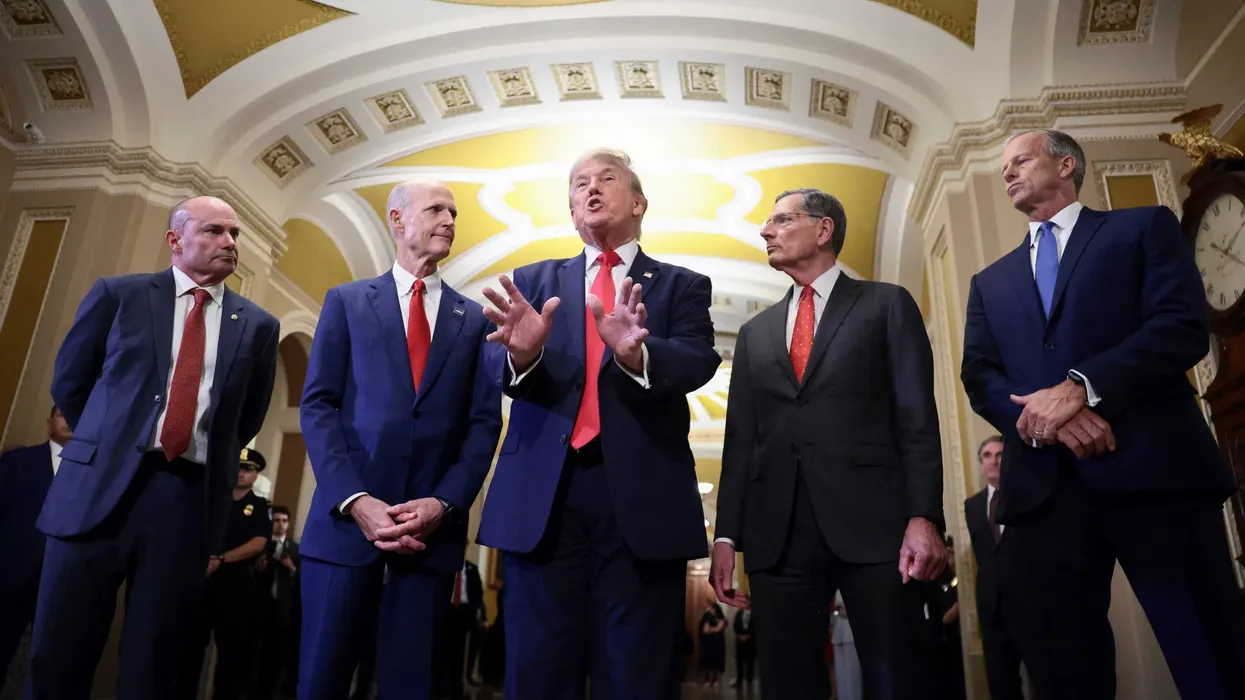
A new theme is taking shape in the midterm campaigns: rampant corruption in Washington.
According to reporting by The Washington Sun (formerly NOTUS), campaign ads centered on corruption are beginning to appear on both sides of the aisle, though they are predominantly run by Democratic candidates attacking rival lawmakers and the president.
The shift comes a few weeks after a Gallup poll found a record-high share of Americans saying corruption in government is widespread. The same survey showed that while economic concerns remain top of mind for voters — the economy, inflation, gas prices, housing affordability and grocery costs — a closely related worry sits just behind them: the sense that government has become pay-to-play.
In New Hampshire, former Sen. John Sununu (R) — now seeking a return to the Senate nearly two decades after leaving it — has been forced to defend allegations that he is "cashing in" on his Senate seat after joining a lobbying firm as a "senior policy advisor" following his election loss in 2008. His opponent alleges he has been "helping big pharma and big oil make billions, while we pay the price."
Supporters of Sununu responded by attacking Rep. Chris Pappas, who is married to a former policy lawyer for Amazon. Pappas' husband registered as a lobbyist 11 years ago — a status federal law requires lobbyists to disclose publicly — and worked for Amazon for four years, until 2019.
The exchange is one of "dozens" of similar examples, according to the Sun, and it illustrates how quickly a corruption attack can draw a counterattack in kind.
"We're seeing more of these kinds of ads than ever before," said GOP pollster Robert Blizzard. "It's across every age group, income level, a feeling that they're getting screwed but the stock market is somehow high, so the frustration with politics-as-usual, the assumed corruption that goes along with that, is at a fever pitch."
The ad blitz comes amid reports that President Donald Trump is cashing in on his presidency, executing 28,700 stock trades between his inauguration and June 2026. Trump is also drawing income from his cryptocurrency venture, while his sons are buying into companies that are then given lucrative government contracts.
But Trump is not the only figure name-checked in the ads. Many follow a broader storyline: a politician takes donations from special interest groups, then backs policies that hurt voters because they are being paid to do so — while other politicians and watchdogs decline to call it out.
"Trump, and his corruption, is baked in on everything, which is why the corruption piece is so good," said one Democratic consultant working on congressional races. "You can link it directly to the candidates, and not make our ads just be about being anti-Trump."
A Democratic pollster offered a similar read: "They pushed it too far and pushed it past where normal voters are willing to put up with it."
Strategists are seeing an opening on the issue for the first time because voters are frustrated by a system they view as corrupt even as they struggle to get by.
Democratic pollster Angie Kuefler has conducted her own research on the subject, finding that voters do not merely want Democrats to pledge to stop GOP corruption — they want it addressed across the board.
"As the candidate, you have to make clear that you're going to take on corruption in both parties, including your own, and then you have to tie that corruption to costs going up for the voter, because what changes voting behavior is demonstrating the impact on them," she told the Sun. "Tying a bad, corrupt politician to rising costs is a double whammy, one-two punch, that connects to both the problem in politics and to their pain."
That standard sets up an immediate test for the party running most of these ads: meeting voter expectations for across-the-board accountability when the spots so far have been aimed chiefly at rival lawmakers and the president.
The Sun also obtained a research memo prepared for a Democratic super PAC, which indicated that 52 percent of voters say the "most harmful" corruption likely involves "special interests, billionaires … acting within the law" to elect politicians who then owe them. "A third of those polled said criminal acts by individual politicians were more harmful than the influence of special interests," the report said. That distinction — legally sanctioned influence versus outright criminal conduct — is the dividing line the dueling ads are now putting in front of voters.

