Cornyn-Cruz Senate Floor Clash Exposes Long-Simmering Texas GOP Feud
Key Takeaways
- •Sen. John Cornyn shouted at Sen. Ted Cruz on the Senate floor in early November during a dispute over a judicial nominee for a Dallas-based federal court in Texas.
- •The clash stems from a rivalry that has built for more than a decade, rooted in tensions between Cruz's Tea Party-aligned politics and Cornyn's traditional Reagan-Bush brand of Republicanism.
- •President Trump's endorsement of state Attorney General Ken Paxton effectively ended Cornyn's Senate career, and Cruz's political operatives had earlier signed on with Paxton's primary campaign.
- •After losing the primary, Cornyn became more vocal in criticizing the Trump administration and opposed the out-of-state nominee, invoking the Appointments Clause's advise-and-consent requirement in a post on X.
- •Cruz later confirmed the exchange to Fox News, and how the Senate weighs home-state input during confirmation will determine whether the feud has practical consequences for Texas's federal courts.
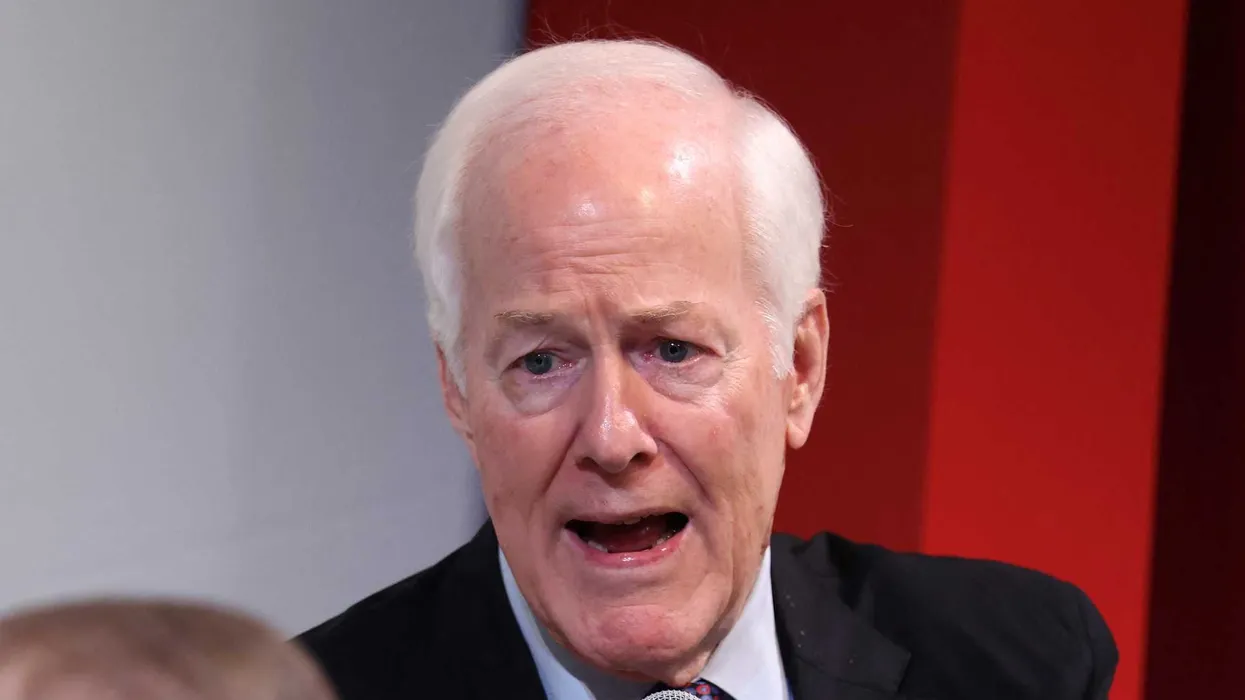
A long-simmering feud between Texas's two Republican senators has erupted into public view, and a new report indicates that Sen. John Cornyn has no intention of exiting Congress quietly.
The Washington Sun reported on Friday that a heated exchange between Cornyn and Sen. Ted Cruz on the Senate floor laid bare the depth of their rivalry. Earlier in November, the Sun's Igor Bobic witnessed the pair clashing on an otherwise quiet chamber floor as they argued over a judicial nominee for a federal court in Texas.
"I don't find you credible. I'm mad at you," Cornyn — who once aspired to serve as Senate majority leader — shouted at Cruz, a former and potentially future presidential candidate. Cornyn then declared that he was angry at someone "for ending my career!" Bobic could not make out whether Cornyn meant Cruz or President Donald Trump, whose endorsement of state Attorney General Ken Paxton in the Republican primary effectively ended that career. When Cruz offered his response on the judicial nominee, Cornyn erupted once more, shouting, "Oh, that's bulls——!"
According to the Sun, the animosity between the two Texans has been building for more than a decade. Cruz arrived in the Senate riding the Tea Party wave, while Cornyn — who represents a more traditional Reagan-Bush brand of Republicanism — grew wary of primary challengers emerging from further to the right. That dynamic has kept the two men at a careful distance for years.
"Cornyn stayed out of Cruz's 2016 presidential bid," the Sun explained, "and when Cornyn ran for majority leader in 2024, Cruz stayed silent even as most Cornyn backers assumed he favored the winner, Senate Majority Leader John Thune. When Cruz's political operatives signed up last year with Cornyn's primary opponent, state Attorney General Ken Paxton, Cruz again stayed silent on Cornyn's future."
After Cornyn lost the primary to Paxton, the Sun reported that he went into "YOLO mode," becoming increasingly vocal in his criticisms of the Trump administration. So when Cruz and other conservatives attempted to push an out-of-state nominee for a Dallas federal court — a seat on the Dallas-based Northern District of Texas, where the input of home-state senators has long been part of how district court vacancies get filled — Cornyn was ready to speak his mind, "yelling loud enough" for everyone in the chamber to hear — a detail Cruz later confirmed to Fox News.
Cornyn now appears determined to have the last word on the matter. In a post on X, he wrote: "Everyone knows that I am a notorious cusser and screamer and that Ted is a fragile thing. But enough about us. If a President can appoint someone from another state, no Senator will have a say in their state, notwithstanding Article II, Section 2, Clause 2 of the U.S. Constitution. It is called 'advise and consent.'" The clause he invoked, known as the Appointments Clause, requires judicial appointments to be made with the Senate's advice and consent — the same prerogative that gives a state's senators a voice when a home-state bench opens up. How the Senate weighs that input as the nominee moves through confirmation will show whether the feud carries practical consequences for Texas's federal courts, or remains a matter of personal theater.

