Conservative Commentators Warn Trump's Prosecution Tactics Create 'Existential Peril' as Voter Backlash Grows
Key Takeaways
- •Conservative commentator Noah Rothman warned that the DOJ's prosecution of ordinary citizens, rather than prominent political figures, is damaging its public standing and alienating voters.
- •U.S. Attorney Jeanine Pirro recently dropped charges against wrongfully accused former Olympic canoeist David Hearn, but Rothman argued the damage came from the prosecution itself rather than its dismissal.
- •Rothman distinguished between targeting political figures like James Comey and Letitia James, who he said were 'in the game,' and prosecuting private civilians who were simply in the wrong place at the wrong time.
- •CNN panelist Van Lathan predicted that figures like Pirro who work for Trump will eventually be forced to sacrifice their professional reputations when controversial decisions backfire.
- •The discussion reflects a broader conservative concern that weaponizing federal prosecutorial power against private citizens risks eroding public trust in the justice system.
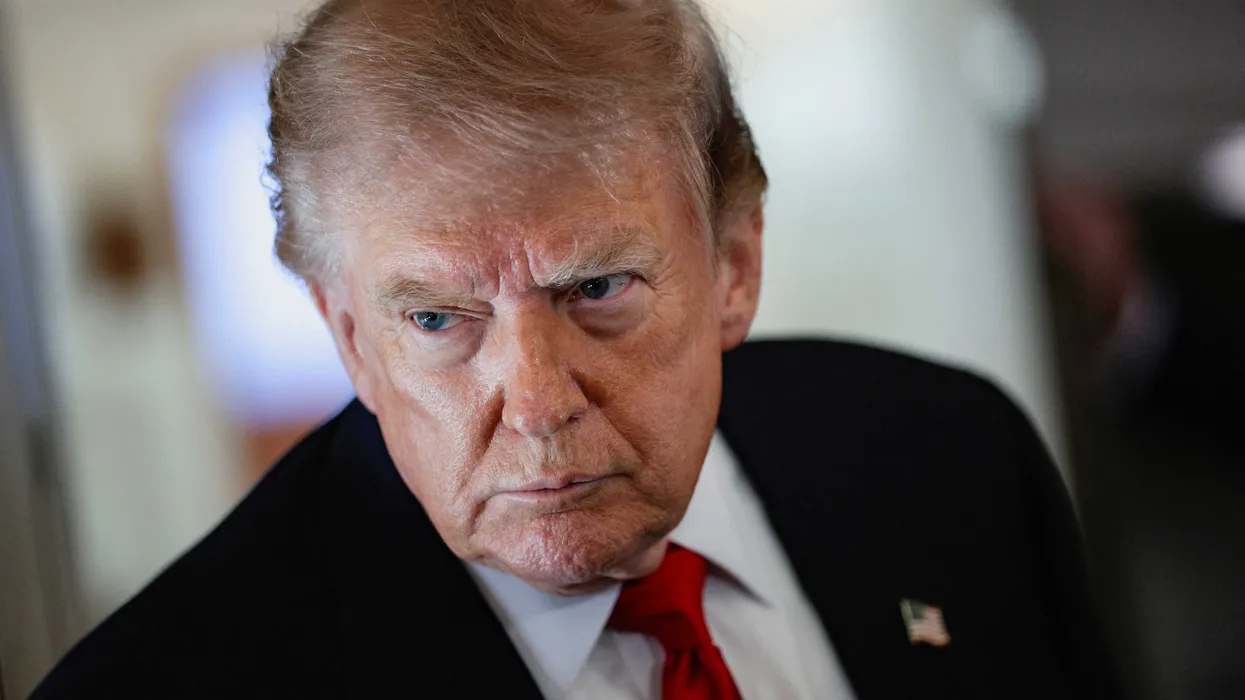
Conservative commentator Noah Rothman warned on CNN's Table for Five that President Donald Trump's Department of Justice, under lieutenants such as U.S. Attorney Jeanine Pirro — the former Westchester County district attorney and Fox News television host — is alienating broad segments of American voters by pursuing prosecutions against ordinary citizens rather than high-profile political figures.
Rothman, writing for National Review, noted that the DOJ has been actively working to prosecute individuals the president perceives as enemies. While Pirro recently dropped charges against wrongfully accused former Olympic canoeist David Hearn, the damage stems from the prosecution itself rather than its eventual dismissal. Speaking on CNN's Saturday morning broadcast, Rothman argued that targeting everyday Americans — as opposed to prominent figures like former FBI Director James Comey or New York Attorney General Letitia James — projects an image of Trump bullying the powerless. The distinction matters in an environment where the DOJ has faced mounting scrutiny over whether it is being used to settle personal scores rather than pursue impartial justice.
"I'm trying to put myself in the head of the average voter who maybe can't keep all the Democrats' problems with the president's construction problems and projects [in their head]," Rothman said.
"Because they don't care," quipped conservative panelist Lauren A. Wright.
"But well, but now they do — and probably should," Rothman continued. "Because even if you thought the prosecutions of Letitia James and James Comey were egregious, they were in the game. They took their shots. Trump took their shots at him. But this is different. [These were] civilians who were in the wrong place at the wrong time, were handcuffed and got federal charges because the president needed a scapegoat. That's existential peril there. That's the sort of thing that focuses the mind. And it really should."
Host Abby Phillip reinforced the point with a relatable reference. "I mean, who among us has not stuck their hand in the Reflecting Pool? It's just a thing that people do," she said. "And, yeah, you're totally right that like regular people are looking at this and saying, 'this is kind of deranged.'"
Panelist Van Lathan, host of the Higher Learning podcast, questioned why figures like Pirro and others would sacrifice their professional reputations to work for Trump.
"All of these people will end up being treated like faulty Kevlar, like things that don't stop the bullets and shrapnel from coming to Donald Trump because of the decisions that he's made," Lathan said. "There's only one outcome there: He will make a decision that does not fly, and you will be called to fall on your sword. And that day is coming for everyone."
"It happens all the time," Lathan added. "His last vice president, they tried to hang the guy."
The discussion reflects a broader concern among some conservatives that the weaponization of federal prosecutorial power against private citizens — not just political adversaries — risks eroding public trust in the justice system and could become a defining liability as voters assess the administration's conduct.

