Legal experts question DOJ strategy in James Comey case
Key Takeaways
- •Former federal prosecutors Barbara McQuade and Joyce Vance publicly argued that the Justice Department's case against Comey is legally defective on both procedural and statutory grounds.
- •Prosecutors charged Comey through a prosecutorial 'information' rather than a grand-jury indictment, a method his attorneys say is impermissible for a felony and warrants dismissal.
- •The Justice Department justified the timing by citing an imminent limitations deadline, relying on a 10-year window for espionage-related offenses rather than the standard five-year period.
- •The alleged offense falls under 18 U.S.C. § 793, the same statute that underpinned the classified-documents charges former President Donald Trump faced after leaving the White House.
- •McQuade suggested the conduct may lack the willfulness required for an Espionage Act violation and characterized the prosecution as part of a broader effort targeting perceived opponents of the Trump administration.
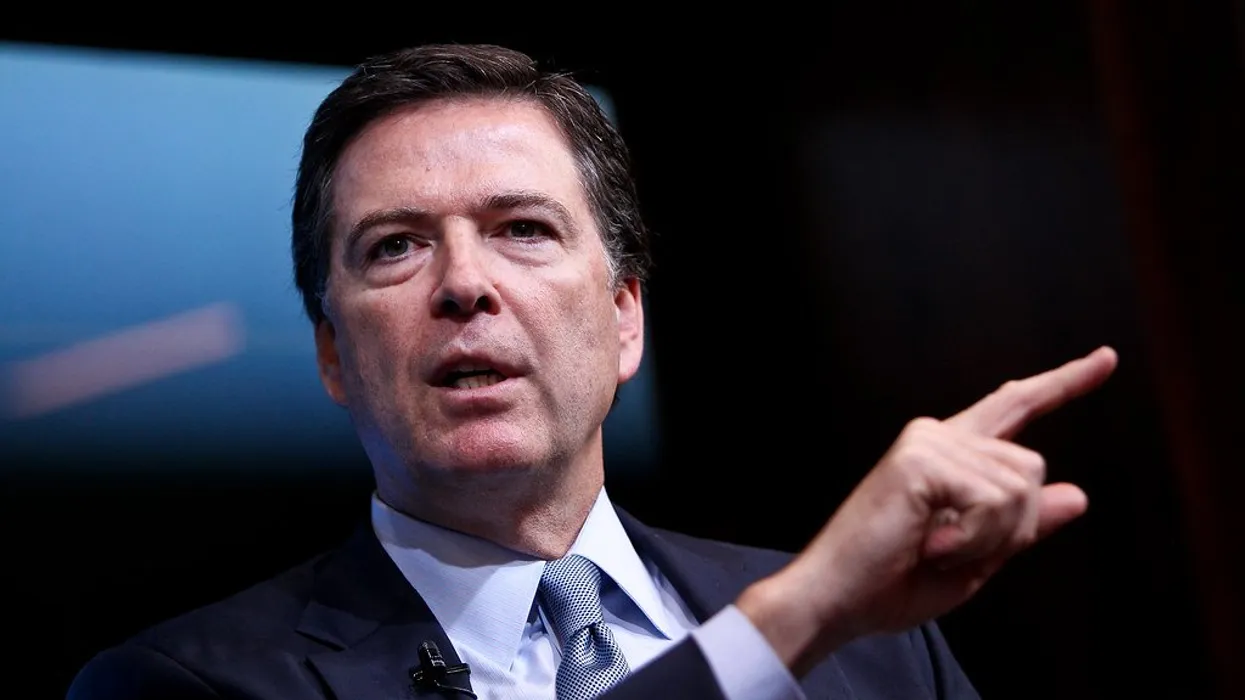
The Justice Department had up to 10 years to indict former FBI Director James Comey over what it alleges was the disclosure of classified information. Legal experts are now questioning why prosecutors waited and whether the charging document complies with the law.
Former federal prosecutors Barbara McQuade and Joyce Vance argued in columns published Wednesday that the case is legally defective. McQuade wrote that “the charges are fatally flawed — which the Department of Justice is either too incompetent to realize or too dishonest to care.” Vance made a similar assessment in her analysis.
According to Vance, the offense the government says Comey committed is defined under 18 U.S.C. § 793, which covers the receipt, possession and transmission of national defense information. She said the provision should be familiar because it resembles the charges former President Donald Trump faced after leaving the White House in 2021 with classified documents. Trump then refused to return the documents.
The case became public Monday, when a court unsealed a document formally charging Comey. As with other recent cases brought by the Washington, D.C., U.S. Attorney’s Office, prosecutors did not obtain a criminal indictment from a grand jury. The Fifth Amendment generally requires a grand-jury indictment in felony cases. The relevant constitutional provision is set out in the Fifth Amendment.
“Instead, it is what is referred to as an ‘information,’ a piece of paper signed by only the prosecutor,” McQuade wrote. An information may be used for misdemeanor offenses, which do not receive the same Fifth Amendment protection, or when a defendant has waived the right to an indictment, typically while preparing to plead guilty. McQuade said she did not see either circumstance applying to Comey. The distinction is central to the defense challenge: Comey’s attorneys argue that prosecutors cannot use an information to pursue this felony without a valid exception to the indictment requirement.
Vance wrote that it was once unusual for a grand jury to refuse to indict, but that such refusals are becoming more common. She said the government’s decision to bypass grand-jury review altogether “speaks volumes about the quality of the revenge docket cases DOJ is willing to bring to please the president.”
A similar procedure was used in the recent case involving former FBI agents who worked to protect the 2020 election from foreign interference.
Both McQuade and Vance also identified potential statute-of-limitations problems. The Justice Department has said it submitted an information because the limitations period was about to expire. If the deadline had passed, prosecutors could not bring the charge.
The general rule is a five-year limitations period. Vance quoted the statute as stating: “Except as otherwise expressly provided by law, no person shall be prosecuted, tried, or punished for any offense, not capital, unless the indictment is found or the information is instituted within five years next after such offense shall have been committed.”
The DOJ appears to be relying instead on a 10-year period for espionage-related offenses. Vance highlighted language providing that “an indictment for any violation of title 18, United States Code, section 792, 793, or 794, other than a violation constituting a capital offense, may be found at any time within ten years next after such violation shall have been committed.”
The department did not obtain a grand-jury indictment under either the five-year or 10-year provision. It filed only an information, which is why Comey’s attorneys argue that the case should be dismissed. The court’s treatment of those two issues—whether the filing was timely and whether the charging method was permissible—will determine whether the prosecution can proceed to the merits of the allegations.
The DOJ maintains that other statutes permit limitations deadlines to be paused and that the same principle should apply in this case. “It’s certainly a creative argument,” McQuade wrote. “Neither party cites a case that directly addresses the issue, probably because no competent prosecutor investigating a prosecutable case has ever waited more than 10 years to seek an indictment.” She said she expects the judge to dismiss the case based on the statutory language.
The legal issues led McQuade to question how the department could have mishandled the process if it was determined to indict Comey. The New York Times reported that the Trump administration already knew about the underlying situation. Comey corrected misinformation that had appeared in reports, but “the subject was legally prevented from addressing itself.”
If that account is accurate, McQuade wrote, the conduct appears to lack the “willfulness necessary to be a violation of the Espionage Act.” She said most prosecutors would not bring such a case.
McQuade nevertheless described the prosecution as part of what she characterized as the Trump Justice Department’s effort against a list of perceived opponents. That group, she wrote, includes former FBI agents, former Justice Department lawyers and former Trump White House staff members who testified before the Jan. 6 committee. She also said the Washington, D.C., Bar Association had not been spared.
McQuade questioned why prosecutors did not go to a grand jury before their Oct. 5 deadline. “Maybe they’re just inept. Maybe they were too busy carrying out the president’s other vendettas. Maybe they just lost track of the time,” she wrote.
She also offered a more serious possibility: The DOJ may have known that it could not persuade a grand jury because its evidence did not establish sufficient facts to show that a crime had been committed. “And if they are unable to establish probable cause to obtain an indictment, then they most certainly would be unable to prove guilt beyond a reasonable doubt at trial,” McQuade said.
That raises the possibility, she argued, that prosecutors moved forward with a case they knew would be difficult to prove, making the prosecution itself a form of punishment. Legal scholars have made a similar allegation about the Trump administration’s use of the Justice Department. In a late-2024 analysis published before Trump was elected, Just Security’s Adam Klasfeld and Ryan Goodman argued that cases against people on Trump’s enemies list could be intended not to secure convictions, but to impose legal costs and publicly attack individuals using taxpayer money. Their analysis is available through Just Security.

