Colombia Coffee Exports Halted After 7.4 Magnitude Earthquake
Key Takeaways
- •The 7.4 magnitude earthquake that struck Colombia on 10 August has been identified as the country's most powerful seismic event this century, with over 169 confirmed fatalities and hundreds of injuries.
- •Coffee exports from Colombia have effectively stopped because the earthquake damaged key highways and forced the closure of Buenaventura, the nation's primary Pacific coast export port.
- •Major coffee-producing departments including Caldas, Quindío, Risaralda, Antioquia, and Chocó were all affected by the disaster, threatening potential disruption to Colombia's annual output of approximately 13 million 60-kilogram bags.
- •The National Federation of Coffee Growers and the Coffee Exporters Association have stated that saving lives is the top priority, with no current timeline for resuming export operations or completing damage assessments at processing facilities.
- •The earthquake poses significant uncertainty for international roasters and traders, particularly regarding whether the main October-to-December harvest in the Coffee Axis can proceed and how the disruption may impact the already tight global supply of washed Arabica coffee.
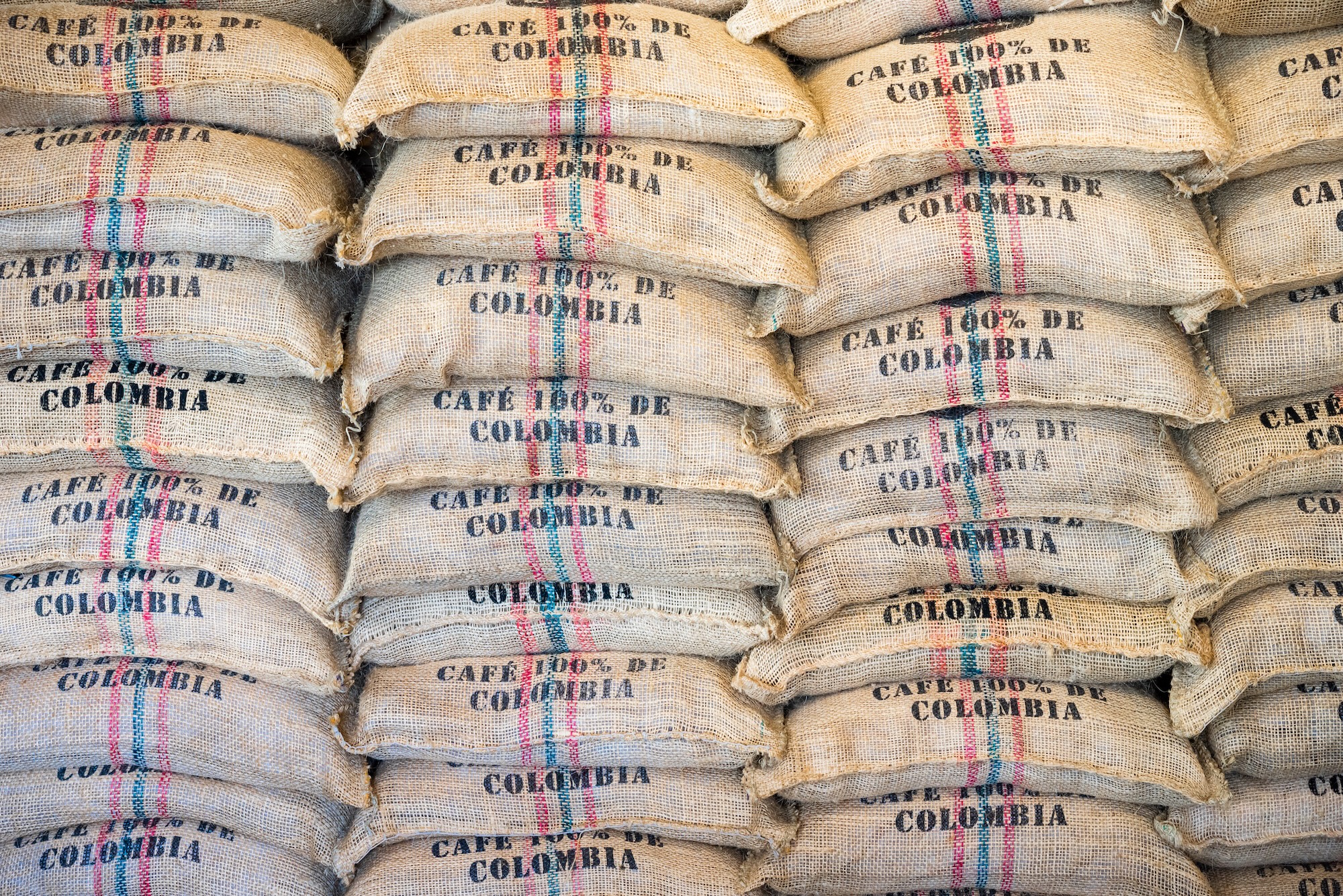
A state of emergency has been declared in Colombia following a devastating 7.4 magnitude earthquake that struck the country on Monday, 10 August. According to the Colombian Geological Service, it is the most powerful earthquake to hit the South American nation this century. At the time of writing, more than 169 people have been confirmed dead.
Colombian authorities have reported hundreds of injuries and thousands of damaged homes, along with severe impacts to hospitals and schools, including three hospitals that collapsed entirely.
The epicentre was located near the village of San José del Palmar in Chocó province. Tremors were felt as far away as Venezuela, Ecuador, and Panama, with more than 20 aftershocks reported following the main tremor.
President Aberlardo de la Espriella, who was sworn in on 7 August 2026 — just three days before the earthquake — addressed the nation at 1pm local time on Monday, 10 August. He stated that the first priority is rescuing people trapped under rubble and that the national government has deployed all available capabilities to deliver aid.
Coffee-growing regions including Risaralda, Valle del Cauca, Caldas, Antioquia, Chocó, and Quindío have all been affected by the disaster. Caldas, Quindío, and Risaralda form the core of Colombia's Eje Cafetero, or Coffee Axis, the traditional heartland of the country's coffee industry and a UNESCO-recognised cultural landscape. Colombia is globally renowned for its washed Arabica coffee, and any sustained disruption to these departments carries significance well beyond national borders, as Colombia trails only Brazil and Vietnam among the world's largest coffee-producing nations.
Germán Bahamón, General Manager of the National Federation of Coffee Growers (FNC), said the time to rebuild coffee production capabilities will come, but the primary focus must remain on saving lives.
"We will be able to sit down with the government … and provide precise information to determine how reconstruction should be undertaken," Bahamón said in a statement. "We will remain in permanent contact with national and regional authorities to place our institutional capacity at the service of Colombia."
"The absolute priority is to save lives, find those who need help, and respond to the emergency," he added.
The FNC also released a separate statement: "The earth shook, but the coffee community's heart does not break. We know what it means to rise again after losing everything, and you are not alone."
Coffee exports out of Colombia have effectively ground to a halt as the earthquake damaged key highways and disrupted operations at Buenaventura, the nation's main port on the Pacific coast and a critical gateway for agricultural exports. The port's closure, combined with road damage across the western Andes, means that even coffee already harvested and processed cannot reach international buyers.
Gustavo Gomez, Executive President of Colombia's Coffee Exporters Association (Asoexport), said there is currently no timeline for when the port will reopen.
"Coffee operations are currently paused," Gomez stated. "There may be some isolated operations, but at the moment the operation for exporting coffee has stopped."
"At this point, there is no specific formal communication saying when the road will be fully reopened," he added.
Gomez noted that the full extent of damage to coffee production facilities across the country has yet to be determined.
"Processing facilities are still assessing damage," he said. "There have been no reports so far of severe structural damage to coffee mills, but operations are being affected by electricity outages, connectivity problems and the personal impact on workers, including people who have lost their homes."
Colombia is the world's third-largest coffee producer, exporting approximately 13 million 60-kilogram bags annually. For international roasters and traders who rely on Colombian supply, the key questions in the coming weeks will be how quickly Buenaventura and the connecting highway network can resume operations, whether the main harvest — which typically runs from October to December in much of the Coffee Axis — can proceed, and how the disruption may ripple through the already tight global supply of washed Arabica.

