South Korean Crypto Exchange Coinone Discloses Customer Data Breach, Warns of Phishing Risk
Key Takeaways
- •An external attacker breached servers operated by MetaM, Coinone's outsourced customer support provider, at around 4 a.m. on Nov. 12, with MetaM reporting the incident to the exchange later that morning.
- •Exposed customer service records may include names, contact details, birth dates, bank information, passwords, national ID numbers, home addresses, crypto wallet addresses, and transaction IDs, varying from user to user.
- •Coinone stated that its customer accounts, trading platform, and digital asset wallet system are separate from MetaM's infrastructure and showed no evidence of direct compromise, with logins and withdrawals requiring two-factor authentication.
- •The exchange cautioned that the leaked data could enable phishing emails, voice scams, identity theft, and spear phishing that references genuine support interactions to appear more credible.
- •Coinone has transitioned support to email, enhanced real-time monitoring of suspicious logins and transactions, identified the attacker's IP address and access path, and notified the Personal Information Protection Commission, the Financial Supervisory Service, and the Korea Internet & Security Agency.
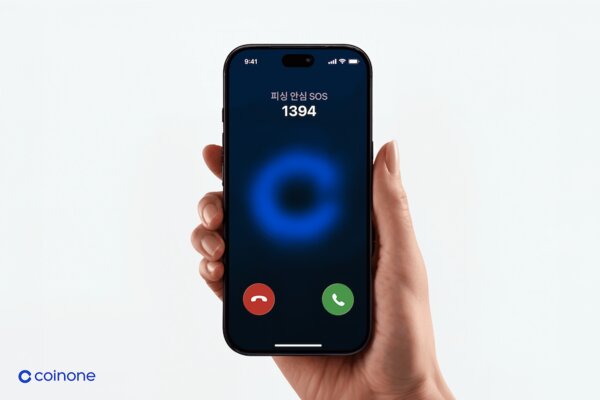
South Korean cryptocurrency exchange Coinone has disclosed a customer data breach involving MetaM, an outsourced customer support provider, raising concerns over phishing, impersonation, and attempted account takeovers. According to an official notice posted by the exchange, the incident did not extend to its core trading or crypto wallet systems.
Breach Exposed Customer Support Records
The breach targeted servers operated by customer support provider MetaM and was carried out by an "external attacker," according to Coinone. The intrusion occurred at around 4 a.m. on Nov. 12, and MetaM reported the incident to the exchange later that morning.
Coinone said the attacker was able to inspect and access information contained in customer service records. The exposed data may include names, phone numbers, email addresses, birth dates, bank information, passwords, national ID numbers and their issuance dates, home addresses, cryptocurrency wallet addresses, and transaction IDs.
The exact information affected varies from user to user, as each customer entered different details into support conversations. Coinone said users who never contacted its customer service center were not affected. The exchange has not disclosed how many customers were impacted by the breach. Unlike passwords, static identifiers such as birth dates and national ID numbers cannot be reset once exposed, which is why leaks of this type of data are generally treated as a lasting impersonation risk.
Core Trading and Wallet Systems Show No Direct Compromise
Coinone said its customer accounts, trading platform, and digital asset wallet system are all separate from MetaM's infrastructure, and it has not discovered any evidence that those systems were directly hacked. The episode also illustrates a common exposure path for companies that outsource customer-facing functions: data held by contractors can be compromised even when a company's core infrastructure is not.
The exchange added that the leaked information should not, by itself, be enough for an attacker to log into an account or withdraw cryptocurrency, since those actions require two-factor authentication (2FA) on Coinone accounts. However, in cases where personal identification, transaction IDs, and wallet addresses were exposed, the leaked data could provide more convincing material for targeted attacks.
Phishing Becomes the Immediate Security Concern
According to Coinone, attackers could use the leaked data for phishing emails, service phishing, voice scams, and identity theft. The risk is particularly elevated when scammers reference details from a previous support session: a fraudulent email citing an actual transaction, wallet address, or customer service inquiry could appear more credible than a random phishing scheme. Security practitioners commonly refer to scams built around genuine personal details as spear phishing.
The exchange advised users to immediately update and change the password submitted during an affected support request if it was reused in other apps or services. Coinone also stated that it will never request passwords, one-time passwords (OTPs), or codes delivered by phone, text message, or email for authentication purposes.
Coinone Tightens Monitoring After the Incident
Following the breach, Coinone identified the IP address and access path used in the attack and has transitioned customer support operations to email while it investigates the matter.
The company has enhanced real-time monitoring of suspicious logins and transactions and is evaluating the security of its service provider. Coinone has informed the Personal Information Protection Commission (South Korea's data privacy authority), the Financial Supervisory Service, and the Korea Internet & Security Agency, the country's cybersecurity agency, of the breach. As the investigation continues, the outstanding questions are the total number of affected customers and the conclusions of Coinone's security evaluation of MetaM.

