Coinbase Claims Global Leadership in Crypto Custody and Stablecoins as Q2 Trading Share Hits Record High
Key Takeaways
- •Coinbase achieved a record 10.3% share of global cryptocurrency trading volume in the second quarter, marking its highest market share ever.
- •The company serves as the qualified custodian for the majority of U.S. spot Bitcoin ETFs, which launched in January 2024 and have attracted tens of billions in assets.
- •Coinbase co-founded USD Coin (USDC) with Circle, and earns interest income from a portion of USDC reserve assets, creating revenue that scales with adoption rather than trading volume.
- •The firm has diversified its business into custody, staking, derivatives, developer platforms, and launched Base, an Ethereum layer-2 scaling network that has become one of the most active by transaction volume.
- •Coinbase continues to navigate an SEC enforcement action filed in June 2023 alleging violations of U.S. securities laws, adding regulatory uncertainty to its operating environment.
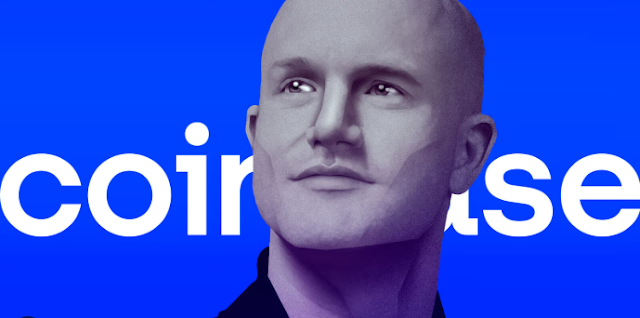
Coinbase Claims Global Leadership in Crypto Custody and Stablecoins as Q2 Trading Share Hits Record High
Coinbase's latest quarterly financial results highlight continued expansion across trading, custody, institutional services, and stablecoin infrastructure. The figures underscore the company's evolution from a cryptocurrency exchange into a broader financial technology platform serving retail investors, institutions, developers, and enterprise clients worldwide.
The earnings update drew widespread attention across the cryptocurrency industry and was highlighted by Cointelegraph on X: https://x.com/Cointelegraph/status/2082994662168543516. Beyond social media amplification, the announcement's broader significance lies in Coinbase's sustained efforts to grow its market share as digital assets become increasingly embedded in the global financial system.
Record Trading Market Share
According to the company's second-quarter earnings report, Coinbase accounted for 10.3% of global cryptocurrency trading volume—the highest market share in its history. The milestone reflects continued growth despite intensifying competition among global digital asset exchanges, where Binance has long held the top position by volume and continues to operate across numerous jurisdictions.
Trading activity remains one of Coinbase's primary revenue drivers, though the company has significantly diversified its business in recent years. Expansion into subscription services, institutional products, derivatives, custody, and stablecoin infrastructure has reduced reliance on transaction fees alone—a structural shift that investors and analysts have increasingly viewed as important given the historical volatility of crypto trading volumes.
Brian Armstrong Highlights Market Leadership
During the earnings announcement, Coinbase CEO Brian Armstrong outlined two major competitive advantages. He stated that Coinbase currently stores more cryptocurrency than any other platform globally and operates the leading stablecoin platform.
These remarks reflect Coinbase's broader strategy of positioning itself as foundational infrastructure for the digital asset economy rather than functioning solely as a trading venue. Institutional custody, in particular, has become one of the company's fastest-growing business segments. Coinbase serves as the qualified custodian for the majority of U.S. spot Bitcoin ETFs, which launched in January 2024 and have collectively attracted tens of billions of dollars in assets under management.
The Role of Crypto Custody
Digital asset custody involves securely storing cryptocurrencies on behalf of investors, institutions, and corporate clients. Unlike traditional banking assets, cryptocurrencies require specialized security infrastructure designed to protect private cryptographic keys. Leading custody providers typically offer cold storage solutions, multi-signature security, institutional compliance frameworks, insurance coverage, and risk management systems. Institutional investors increasingly prioritize secure custody when allocating capital to digital assets, and regulators in major jurisdictions have established specific licensing frameworks—such as the New York Department of Financial Services' Limited Purpose Trust Company charter, which Coinbase holds—to oversee qualified custodians.
Stablecoins Continue Expanding
Armstrong also emphasized Coinbase's leadership within the stablecoin ecosystem. Stablecoins have become one of the fastest-growing segments of the cryptocurrency industry. Unlike traditional cryptocurrencies, stablecoins are generally designed to maintain stable values by referencing assets such as the U.S. dollar. They are increasingly used for cross-border payments, digital commerce, trading liquidity, settlement infrastructure, and treasury management.
Coinbase's stablecoin leadership is closely tied to its role in USD Coin (USDC), the second-largest stablecoin by market capitalization, which was co-founded by Coinbase and Circle through the Centre consortium. Coinbase earns interest income from a portion of USDC reserve assets, creating a revenue stream that scales with adoption rather than trading volume.
Diversification Beyond Trading
Coinbase has steadily expanded beyond spot cryptocurrency trading. Its current business encompasses retail trading, institutional trading, custody services, staking, stablecoin infrastructure, developer platforms, blockchain services, and derivatives. This diversified approach provides multiple revenue streams while supporting long-term business growth. The company also launched Base, an Ethereum layer-2 scaling network, which has become one of the most active layer-2 blockchains by transaction volume and serves as a foundation for Coinbase's developer ecosystem ambitions.
Institutional Adoption Accelerates
Institutional participation remains one of the strongest drivers of Coinbase's expansion. Large financial institutions increasingly utilize Coinbase for custody, trading execution, digital asset infrastructure, compliance support, and blockchain integration. As institutional investment grows, demand for enterprise-grade infrastructure continues to rise. The approval of spot Bitcoin and Ethereum ETFs in the United States has created additional demand vectors for qualified custodians, with Coinbase serving multiple issuers across these product launches.
Global Crypto Market Maturation
The latest earnings report reflects broader trends across the cryptocurrency industry. Digital assets have become increasingly integrated into mainstream finance through spot Bitcoin ETFs, Ethereum ETFs, corporate treasury investments, tokenized financial products, and stablecoin adoption. These developments have attracted additional institutional and retail participation. Legislative efforts such as the proposed stablecoin regulatory frameworks under discussion in the U.S. Congress could further shape the competitive landscape for companies like Coinbase operating at the intersection of digital assets and traditional finance.
Evolving Competitive Landscape
Coinbase operates within an increasingly competitive global marketplace. Major cryptocurrency exchanges continue expanding their product offerings, while traditional financial institutions are also entering digital asset markets. Competition now extends across trading, custody, stablecoins, payments, blockchain infrastructure, and institutional services. Maintaining leadership requires continuous investment in technology, compliance, and product innovation. The company has also been navigating an ongoing SEC enforcement action filed in June 2023 alleging violations of U.S. securities laws, the outcome of which remains a factor in the broader regulatory environment for digital asset exchanges.
Financial Infrastructure Strategy
Rather than focusing exclusively on cryptocurrency trading, Coinbase increasingly positions itself as digital financial infrastructure. Its long-term strategy involves supporting multiple components of the blockchain economy, including asset storage, payments, trading, tokenization, developer ecosystems, and institutional finance. This broader vision aligns with industry expectations that blockchain technology will become increasingly integrated into global financial services.
Stablecoins as Strategic Assets
Stablecoins have emerged as one of the cryptocurrency industry's most significant technologies. Their relatively stable value makes them useful for businesses requiring efficient digital settlement mechanisms. Financial institutions increasingly explore stablecoins for international payments, treasury operations, liquidity management, financial infrastructure, and digital commerce. Coinbase's continued investment in stablecoin infrastructure reflects these long-term industry trends.
Outlook
Following its second-quarter results, Coinbase is expected to continue expanding across multiple business segments. Analysts will monitor trading market share, institutional growth, stablecoin adoption, international expansion, regulatory developments, and new financial products. Continued innovation may strengthen the company's competitive position as digital asset markets mature.
Coinbase's second-quarter earnings highlight the company's transformation into one of the world's largest digital asset infrastructure providers. Reporting a record 10.3% share of global cryptocurrency trading volume, while CEO Brian Armstrong emphasized leadership in both crypto custody and stablecoin services, the company continues expanding well beyond its original role as a cryptocurrency exchange. As institutional adoption accelerates and blockchain technology becomes increasingly integrated into traditional finance, Coinbase's diversified business model positions it to play an increasingly significant role in the evolution of global digital financial markets.

