Coinbase AI Agent Blocks $4.7 Million in Deepfake Elon Musk Crypto Giveaway Scam
Key Takeaways
- •Coinbase's autonomous AI Scam Prevention Agent blocked approximately $4.7 million in customer funds from reaching scammers behind a fake Elon Musk cryptocurrency giveaway livestream.
- •The fraudulent YouTube broadcast, timed to Tesla's "flying car" demonstration, drew more than 500,000 viewers and featured an AI-generated deepfake of Elon Musk promoting a scheme claiming to double any digital assets sent.
- •Hundreds of Coinbase customers attempted to transfer millions of dollars during a roughly two-hour window, and the AI system prevented about 91% of the targeted funds from leaving customer accounts.
- •The AI agent operated without humans in the loop, flagging high-risk transactions in real time and conducting context-aware conversations that helped customers recognize the warning signs of the scam.
- •Coinbase did not disclose how many customers completed transfers despite the interventions or what action, if any, YouTube took against the livestream.
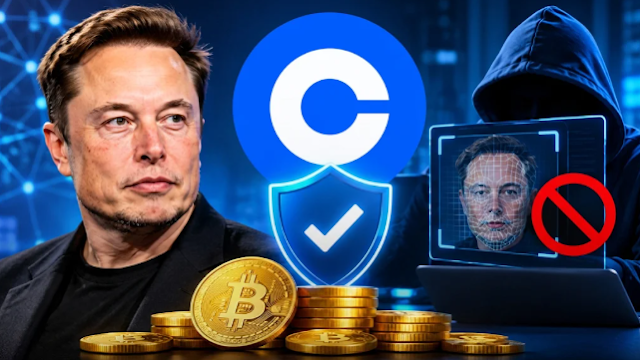
Coinbase said its artificial intelligence-powered scam prevention system helped protect approximately $4.7 million in customer funds after detecting a large-scale cryptocurrency giveaway scam built around an AI-generated deepfake of Elon Musk. According to a report published on the Coinbase blog, the fraudulent livestream drew more than 500,000 viewers and prompted hundreds of Coinbase customers to attempt sending millions of dollars to scammers within roughly two hours.
Fake Livestream Borrowed Tesla's Spotlight
The attackers created a fake YouTube livestream timed to Tesla's "flying car" demonstration. The broadcast featured an AI-generated likeness of Elon Musk promoting a fraudulent cryptocurrency giveaway that claimed to double any digital assets sent by participants.
The scheme relied on the visibility of the Tesla demonstration and Musk's public profile to lend credibility to the promotion. Viewers were urged to take part in the supposed giveaway by transferring cryptocurrency — a familiar scam format in which victims are promised a larger return in exchange for an initial payment. Crypto-doubling giveaways that impersonate prominent technology figures have circulated on social media and video platforms for years, and the use of an AI-generated presenter here reflects how accessible synthetic video tools have become.
AI System Intervenes in Real Time
Coinbase said hundreds of its customers attempted to transfer millions of dollars during the approximately two-hour window in which the scam was active. The scale and speed of the attempted transactions presented a challenge for conventional fraud-prevention processes, particularly with multiple suspicious transfers taking place simultaneously.
In response, Coinbase's autonomous AI Scam Prevention Agent identified high-risk transactions in real time and intervened before the funds could leave customers' accounts. The company said the system operated without humans in the loop, allowing it to detect suspicious activity and communicate directly with affected customers.
Rather than relying solely on transaction blocking, the AI agent initiated targeted, context-aware conversations designed to explain the mechanics of the fraudulent giveaway. According to Coinbase, these interventions helped customers recognize the warning signs and understand why the requested transfers were dangerous.
The company reported that the system ultimately prevented approximately 91% of the targeted funds from leaving customer accounts, protecting around $4.7 million. That figure represents the funds Coinbase said its AI-powered intervention stopped from reaching the scammers.
Deepfakes Add Complexity to Crypto Fraud
The incident illustrates how AI-generated impersonation is being incorporated into cryptocurrency scams. By reproducing the appearance and voice of a prominent public figure, fraudsters can create convincing promotional material designed to exploit viewers' familiarity with well-known individuals and companies. For viewers of financial promotions, that shift means a familiar face on a livestream is no longer, on its own, evidence that the person is real.
In this case, the AI deepfake of Musk, presented during a Tesla-related livestream, provided the setting for a fraudulent crypto-doubling offer. The broadcast's audience exceeded 500,000 viewers, while hundreds of Coinbase customers attempted to send funds within a relatively short period.
The case also demonstrates the role that transaction monitoring and customer communication can play in preventing financial losses. Coinbase's account of the incident describes an approach in which an automated system assesses transaction risk and uses personalized explanations to discourage customers from completing potentially fraudulent transfers.
Coinbase presented the intervention as an example of how autonomous AI systems can help identify and disrupt cryptocurrency fraud while transactions are still being processed. The company's account does not specify how many customers completed transfers despite the interventions, or what action, if any, YouTube took against the livestream — details that would clarify the scheme's final cost and any platform-level response.
Source: Hokanews

