Coinbase Says Its AI Blocked $4.7 Million in Elon Musk Deepfake Giveaway Scam
Key Takeaways
- •Coinbase's AI scam-prevention agent halted approximately $4.7 million in customer funds, blocking about 91% of the roughly $5.2 million users attempted to send to fraudsters.
- •The scheme used a counterfeit YouTube livestream featuring an Elon Musk deepfake that promised to double any crypto sent and attracted more than half a million viewers during Tesla's 'flying car' demo.
- •Coinbase emphasized that no accounts were hacked or credentials stolen, since customers authorized the transfers themselves, leaving the outgoing send as the last point where funds could be intercepted.
- •The scam-detection agent had never been trained on deepfake giveaways tied to live product launches, yet it recognized the pattern based on signals like the funds-multiplication promise and an irreversible transfer.
- •Coinbase said it is expanding automated AI review of risky sends to every type of scam and using AI to label new scam cases so its models learn within hours instead of weeks.
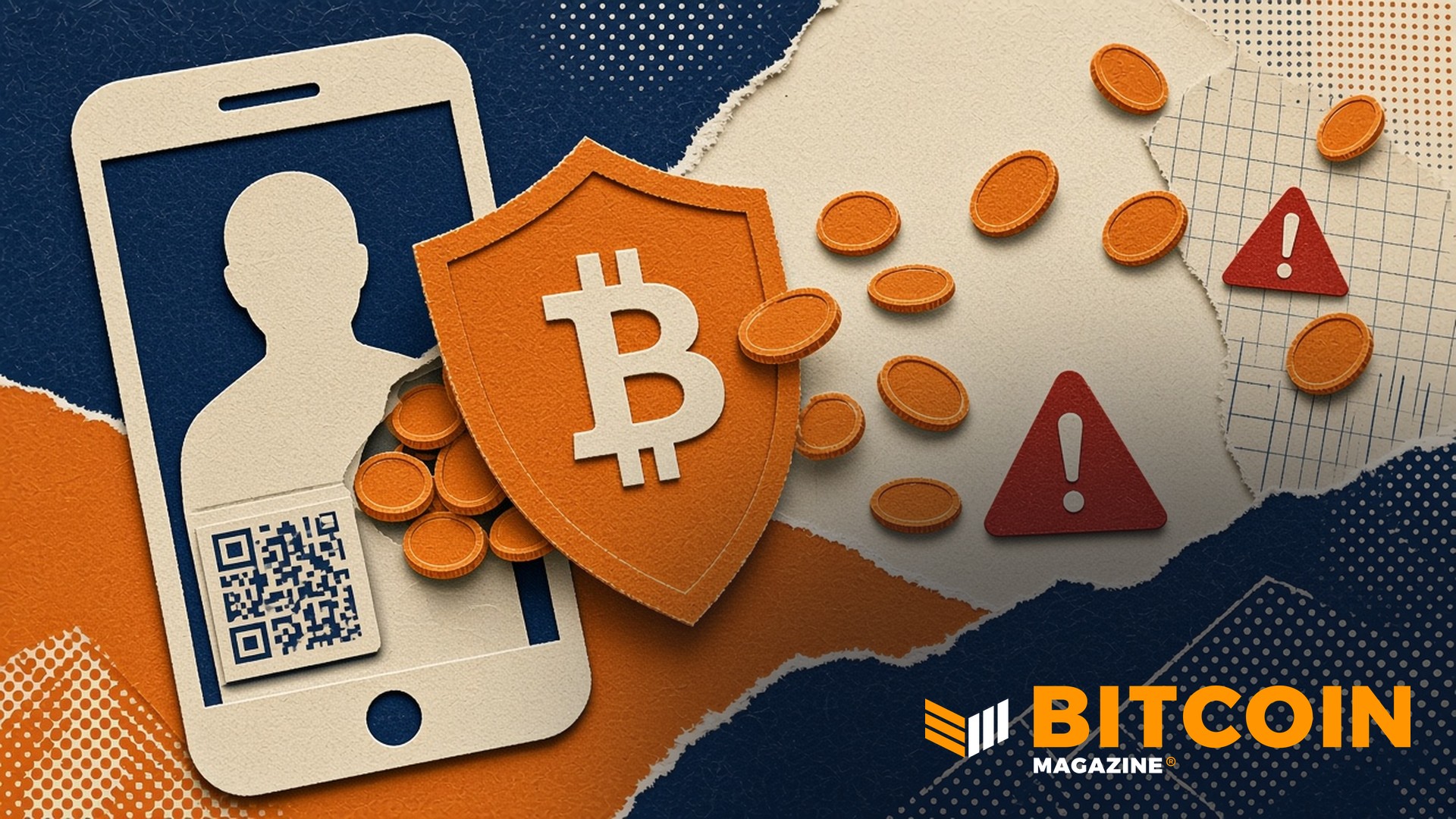
Coinbase (COIN) said its AI-powered scam-prevention agent stopped approximately $4.7 million in customer funds from reaching fraudsters who used a deepfake of Elon Musk to promote a fake Tesla cryptocurrency giveaway, blocking roughly 91% of the money customers attempted to send.
The exchange detailed the incident in a Tuesday blog post, part of a weekly series on consumer protection, noting that the system operated “with no humans in the loop” — the flagged sends were halted by automated systems rather than by human reviewers.
Those two figures imply customers attempted to send about $5.2 million in total, and that roughly $460,000 still left their accounts. Coinbase did not disclose how much of that money reached the scammers.
A livestream that wasn’t real
The scheme ran alongside Tesla’s “flying car” demo. Scammers set up a YouTube livestream designed to look like the real broadcast, complete with a deepfake Musk, on-screen wallet addresses, and a QR code. The stream promised to double any crypto sent to it and drew more than half a million viewers, according to Coinbase.
Over roughly two hours, hundreds of Coinbase customers — many of them long-time users — attempted to send millions of dollars to the addresses shown on screen. Coinbase did not say when the fake stream ran or which coins customers tried to send.
The company stressed that its platform was not breached. “Nobody was hacked,” Coinbase wrote. “No Coinbase account was broken into, no password stolen, no credential phished.”
That detail is what makes giveaway fraud difficult to stop, since most defenses look for activity the account holder did not authorize — and in this case, customers logged in and pressed confirm themselves, leaving the outgoing transfer as the last point where the money could be intercepted. “Our systems can see risk signals in real time. They can’t see intent,” the post said.
How the agent works
Coinbase said its defense has three parts. Machine learning models first score outgoing sends in real time, watching for giveaway patterns, brand impersonation, and newly created wallet addresses. The goal, the company wrote, is “to catch the danger, not the customer.”
When a send is flagged, a scam-specific agent takes over, looking up context, naming the scam pattern, explaining how giveaway schemes work, and asking questions intended to make the story fall apart. Each reply is scored for confidence before the customer sees it, so the system knows when a situation requires more friction.
The agent had never been trained on this type of con, Coinbase said. Deepfake giveaways tied to a live product launch were not in its training data. “It recognized the shape of the scheme anyway,” the company wrote, pointing to the promise to multiply funds, the deadline of a live event, and a transfer that could not be reversed.
Cheaper fakes
Coinbase said deepfakes have changed the economics of the scam. Staging something like this once took “a crew, a studio, and weeks,” it wrote. “Now it takes a livestream slot and a model.” In practical terms, that means a convincing fake can now be produced quickly enough to ride the attention of a real product launch, as this stream did.
The company said it is expanding AI review of risky sends to every type of scam, not just high-profile ones, and is also using AI to label new scam cases so its models learn from attacks within hours instead of weeks.
Social engineering has been a persistent problem for Coinbase customers. In September, a Brooklyn man was sentenced to 12 years in prison over a $16 million Coinbase phishing scam. This week, Trezor customers reported scam calls after a breach at the hardware wallet maker’s shipping partner exposed 27,000 orders.
The blog post came the same day Coinbase launched a ChatGPT plugin for trading bitcoin, stocks, and derivatives — one that, unlike the fully automated scam agent, requires users to approve every order.
Coinbase closed the post with a list of things it will never do, including promising to double, triple, or multiply crypto that customers send. “Nobody legitimate will double your crypto,” the company wrote.
This article originally appeared on Bitcoin Magazine and is written by Micah Zimmerman.

