CNN Supercut Prompts Reporter to Ask How Trump Nominees 'Sleep at Night'
Key Takeaways
- •A CNN supercut broadcast on Friday compiled footage of Trump administration nominees evading senators' questions about the winner of the 2020 presidential election during their confirmation hearings.
- •Nominees for posts overseeing election infrastructure security, executive-branch ethics, and independent federal audits—including Michael LoSapio, Michael Chamberlain, and Mark Priebe—declined to directly affirm that Joe Biden won the 2020 popular vote.
- •A CNN reporter described the nominees' 'certified' responses as rehearsed over time and questioned how they could 'sleep at night' appearing so out of touch on the congressional record.
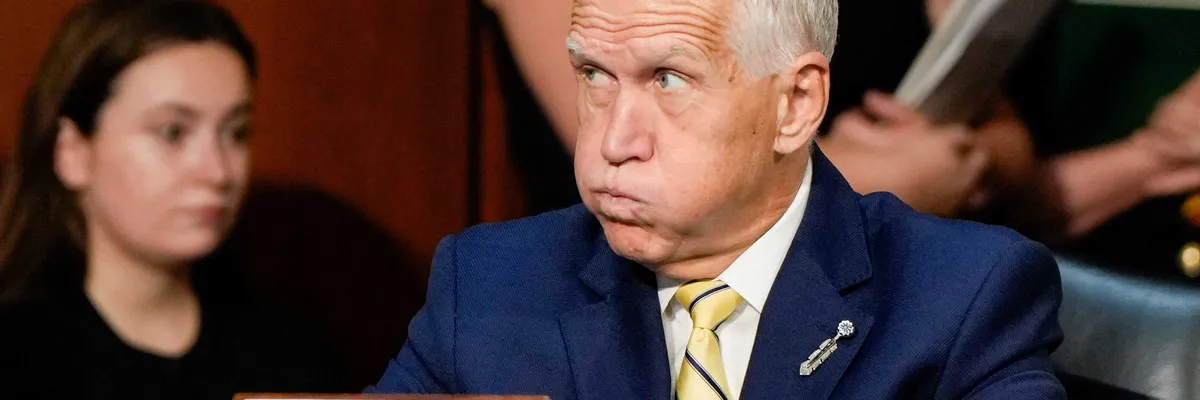
- •Republican Senator Thom Tillis placed holds on two Trump nominees after one denied the January 6 Capitol attack and questions arose about another's objectivity to lead the Government Accountability Office given his close ties to the president.
- •With Senate floor time scarce in the lame duck session, key markers ahead include whether Tillis lifts his holds and whether any nominees reach confirmation votes before the new Congress is seated.
A CNN supercut broadcast on Friday, compiling footage of President Donald Trump's nominees attempting to avoid acknowledging reality, prompted one reporter to ask how they can "sleep at night." After watching the nominees dodge senators' questions about who won the 2020 election, one CNN panelist was left wondering how someone could be so willing to look like a "complete idiot." His criticism comes as even Republicans begin to reject Trump's "absurd" appointments.
The segment featured a series of Trump nominees currently undergoing confirmation hearings with limited success. Their chief obstacle has been an unwillingness to admit to realities that might anger the president — namely, that President Joe Biden won the 2020 election and that there was an attack on the Capitol on January 6, 2021.
The supercut opened with Senator Richard Blumenthal (D-CT) posing a simple question: "Who won the popular vote in 2020 in the presidential election?" Michael LoSapio, Palantir's security chief, who was nominated to helm the Cybersecurity and Infrastructure Security Agency (CISA) at Homeland Security — the office charged with protecting federal networks and critical infrastructure, election systems included — responded, "I'm not going to answer a question about an election six years ago."
Next came a clip of the same question being put to Michael Chamberlain, whom Trump nominated to be Director of the Office of Government Ethics, the watchdog that enforces executive-branch ethics rules and vets senior officials' financial disclosures. "Joe Biden was the president for four years" was all Chamberlain would say. "Did he win the popular vote in 2020?" pressed Blumenthal, but the nominee merely repeated, "Joe Biden was the president for four years."
The question was then posed to Education Department inspector general nominee Mark Priebe, whose would-be office independently audits the department's programs and spending. He stammered, "Joe Biden was, uh, won the popular vote… was certified to be the president."
As one CNN reporter noted after the clip, the "certified" answer is a response Trump nominees have "workshopped over time." Nominee after nominee has tried to find the best way to "not answer the question that they thought would get them in trouble with the president." That prompted the reporter to wonder, "The question that I've had from the very beginning is how important is your potential path to power or your jurisdictional opportunity in the administration to you that you're able to sleep at night looking that ridiculous, absurd, and out of touch with reality on television, for history, in the congressional record?" The stakes of those evasions are concrete: the posts in play would oversee election infrastructure security, government-wide ethics compliance, and independent audits of federal programs.
But as he went on to point out, now that Trump has entered his lame duck session — the post-election stretch before the next Congress is seated, when Senate floor time runs short — nominees "sounding like complete idiots" during hearings are discovering that confirmation is no longer so easy to secure, even with the GOP in the final days of its majority. On Thursday, for example, Senator Thom Tillis (R-SC) placed a "hold" on two Trump nominees after one outright denied that there was an attack on the Capitol on January 6, 2021, while Tillis worried that another was unsuited to lead the Government Accountability Office, Congress's independent auditing arm, due to questions about whether he can remain objective considering his close ties to the president. Under Senate practice, a hold blocks a nomination from advancing by unanimous consent and forces leadership to spend floor time overcoming it — time that grows scarce as a session winds down. The immediate markers to watch are whether Tillis lifts his holds and whether any of these nominees reach confirmation votes before the new Congress takes office.

