CNN Panel Debates Whether Economic Frustration Is Driving Voters Toward Democratic Socialism
Key Takeaways
- •A CNN panel concluded that Republican warnings about communism may inadvertently benefit Democratic candidates heading into the 2026 midterm elections.
- •Younger voters are unmoved by anti-communist rhetoric and are instead worried about affordable housing, stable wages, and being replaced by AI in the job market.
- •Conservative commentator Terry Schilling acknowledged on the panel that the American economy is not delivering for everyone and that people simply want a fair deal.
- •Democratic socialist candidates are campaigning on taxing the billionaire class rather than embracing communism as Republicans claim.
- •The panel highlighted an impending 2026 messaging fight over whether economic populism is interpreted as an assault on capitalism or a call for a more equitable economic system.
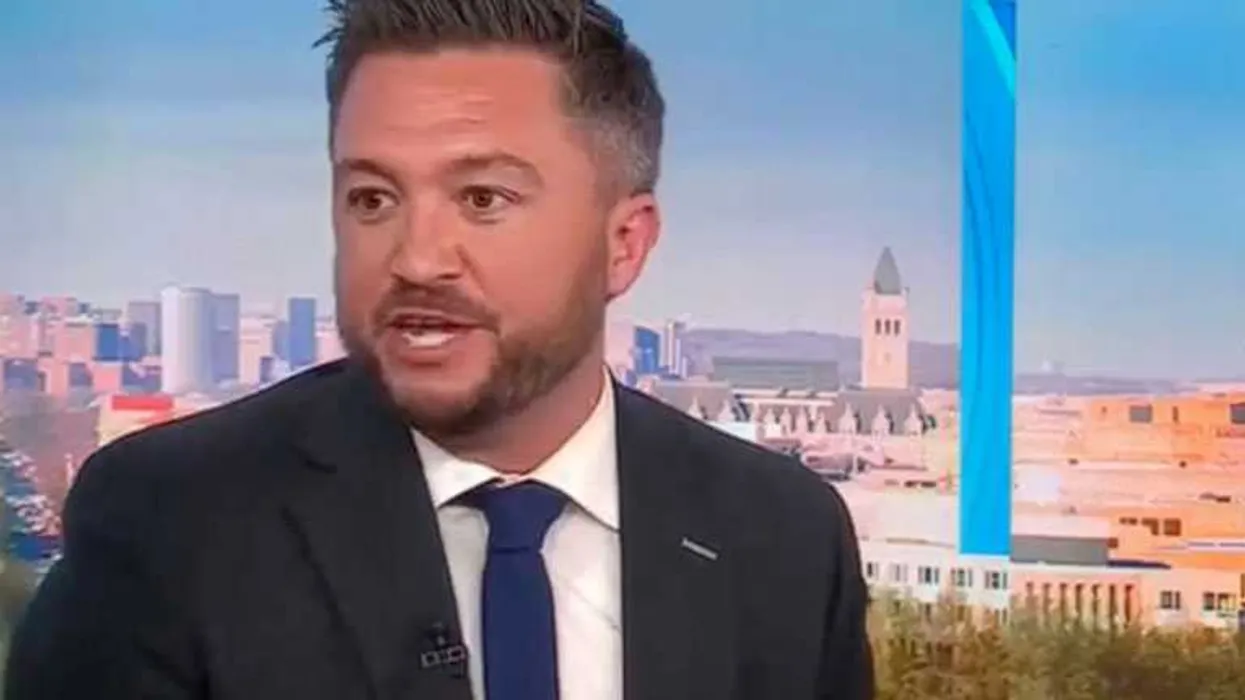
A CNN panel on Friday said Democratic candidates are receiving unexpected help from Republicans, including Donald Trump, as they shape their economic message for the 2026 midterm elections.
The discussion centered on whether Republican warnings about communism are resonating with voters at a time when many Americans say the economy is not working for them, even as billionaires grow wealthier. The New York Times' Lulu Garcia-Navarro said Trump has continued to invoke communism, while public frustration has grown over an economy that many people view as benefiting the very wealthy. Trump is himself a billionaire.
CNN host Audie Cornish noted that approval of capitalism has declined, but questioned whether that necessarily means voters are moving toward socialism or similar economic policies. The distinction matters for candidates because dissatisfaction with prices, wages, housing and job security can be expressed through support for very different policy ideas, not only through ideological labels.
"Frequently on the show we are talking about why are people moving towards democratic socialism? Where I have a question is what if they're not? What if they are frustrated with a broken financial social contract?" Cornish asked.
Terry Schilling, a far-right conservative, acknowledged during the panel that the economy is not working for everyone, while proposing "more rules" as a possible remedy. Democrats have argued that such regulations have been weakened over time by conservatives who support "trickle-down economics," the theory that directing money toward the wealthiest will ultimately benefit people outside the millionaire class.
"I don't think Americans are embracing socialism or communism. Even I think that they're just tired of getting —" Schilling said, cutting himself off as he referred back to the "great recession," which began with the market crashes in 2007 and 2008.
Schilling added, "Americans just want a fair deal. They want to know that if they go to college, they can get a good job that pays the bills. They can afford a home, they can afford a family."
Cornish then asked whether it is politically effective to tell frustrated Americans that they are "bad" and "communists." She said Republicans have revived anti-communist rhetoric rather than directly addressing the argument that the economy is failing to work for everyone.
Garcia-Navarro responded, "Yeah! That!"
"Listen, I think the demonizing and the use of communists as a scare tactic, especially for young people, they don't remember what that is," Garcia-Navarro said. "So, therefore, that is not scary to them. That might be scary to some people in my mother's age group who fled from Cuba, and she's in her 80s. But that isn't scary to the younger generation. What's scary to them, and I mentor a lot of young people, is that they're entering the job market, and they think they're going to be replaced by AI."
Garcia-Navarro said democratic socialists are not campaigning on communism, but are instead emphasizing that the billionaire class should pay taxes and contribute to the social contract.
"That makes sense to people," she said. "So, the scare tactic of like, everything's going to be free, and everything's going to fall apart, it doesn't make sense to them. In an economy where you see the very, very rich swanning around and people can't make rent."
A CNN legal analyst raised the question of how voters respond in polling to the word "billionaires."
"This 'stick it to him' concept of there is a ruling class of folks who aren't out to take care of you .. and take advantage of you," he said. "And, you know, this income inequality has run amok. That's a central message. And even the centrist candidate here is co-opting."
The panel suggested that stories about Trump's ballroom and gilded embellishments have become part of the broader anger over wealth and inequality. For both parties, the exchange pointed to a 2026 messaging fight over whether voters hear economic populism as an attack on capitalism itself or as a demand for a system they believe should deliver more broadly shared stability.
Garcia-Navarro said, "It's a good message. Why? Because you have a billionaire in the White House who has, you know, building a ballroom and painting everything gold."

