Newly Obtained Emails Reveal Cleta Mitchell's Urgent Plea to Fast-Track Pardons for Trump's Fake Electors
Key Takeaways
- •Cleta Mitchell privately urged the Justice Department in the fall of 2025 to expedite pardons for the fake electors before trials could be scheduled.
- •The emails, obtained by American Oversight through a FOIA request, show Mitchell coordinating with DOJ pardon attorney Ed Martin, who was drafting a memo supporting the pardons.
- •President Trump issued a blanket federal pardon to the fake electors on November 10, 2025.
- •Because the Constitution limits presidential clemency to federal offenses, the pardons had no effect on pending state-level charges in Michigan, Arizona, Nevada and Wisconsin.
- •Mitchell argued the pardons were needed to spare defendants further financial and emotional strain, noting some had spent retirement funds and mortgaged homes to cover legal fees.
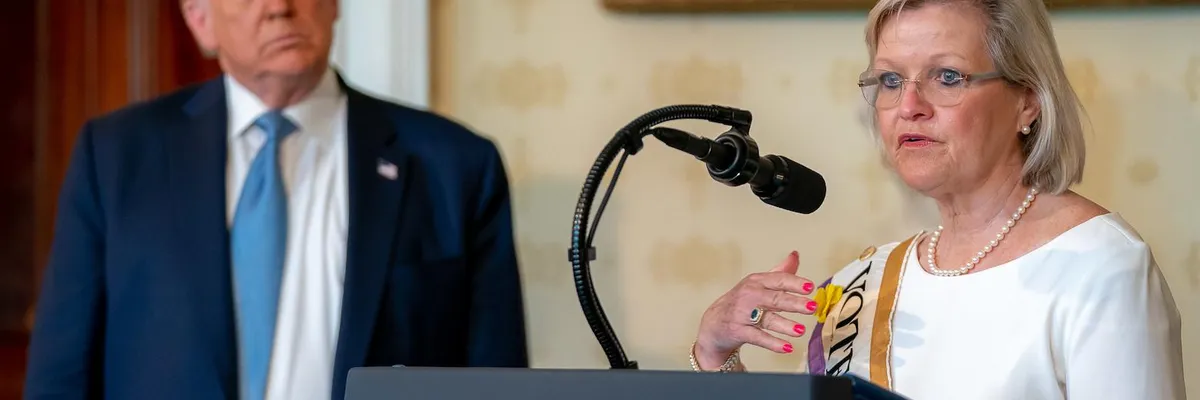
Cleta Mitchell, a central figure in the campaign to overturn the 2020 presidential election, privately pleaded with the Department of Justice in the fall of 2025 to fast-track pardons for the so-called “fake electors” before any of them could be put on trial, newly obtained emails show.
At the time, criminal cases were still pending in Georgia, Michigan, Arizona, Nevada and Wisconsin against individuals who had signed the so-called “fake elector” certificates — documents, signed by Trump allies in states won by Joe Biden in 2020, that purported to certify them as their states' rightful presidential electors. Mitchell knew that Ed Martin, the Justice Department's pardon attorney — the official who reviews clemency petitions and advises the president on them — was drafting a memo explaining why the people involved in the fake elector scheme should be granted a presidential pardon.
“Time is of the essence,” Mitchell wrote in the email, which was obtained by the watchdog group American Oversight through a Freedom of Information Act (FOIA) request and provided to the Guardian.
She went on to say it was “essential” that the pardons move forward as quickly as possible “before trials are scheduled and before these defendants are subjected to further expense and mental anguish.” She added: “Please let me know what else I can do to help get this done.”
Martin's reply was brief: “Thank you for this. Very helpful.”
President Trump ultimately issued a blanket pardon to the fake electors on November 10, 2025. Because the pardon was federal rather than state, however, it was largely symbolic and had no effect on the state-level charges the defendants faced. That limitation is built into the clemency power itself: the Constitution authorizes the president to pardon only federal offenses, leaving state prosecutors free to pursue their cases regardless of White House action.
“While the pardons were federal, not for the ongoing state cases, the documents shed light on the extent to which Mitchell and other Trump allies were using their access to get President Trump to act,” said Chioma Chukwu, executive director of American Oversight.
Mitchell did not respond to a request for comment.
In relation to the Arizona case, Mitchell urged that a pardon be granted before a grand jury filed charges, stating it would be “optimum to stop the persecution of these defendants, which include two of Charlie Kirk's top lieutenants at TPUSA [Turning Point USA].” Kirk had been murdered in Utah just weeks earlier.
With respect to the Michigan and Wisconsin cases, she wrote: “Some of them have already spent their retirement funds, mortgaged their homes to pay legal fees, and suffered significant emotional hardship over the past four years. Allowing a trial to proceed is simply unacceptable.”
In Georgia at the time, the case against Trump and the fake electors was still pending before the Prosecuting Attorneys' Council. “If the pardons are issued promptly, before a new prosecutor is appointed, the Council can move for dismissal of the only remaining charges in the case, being the charges against President Trump,” she wrote to Martin. The prosecutor who ultimately took over the case did dismiss the charges, though for reasons unrelated to the pardons.
That leaves the state prosecutions still pending in Michigan, Arizona, Nevada and Wisconsin — the portion of the electors' legal exposure that federal clemency cannot touch — as the unresolved thread, to be decided in state courtrooms rather than by any action from Washington.
On the day Trump issued the blanket pardons, Martin received an email congratulating him. “It was a long project,” he wrote. “But I am glad we stuck the landing.”

