CleanSpark Posts $239M Quarterly Loss While Pursuing $6.6B AI Infrastructure Deal
Key Takeaways
- •CleanSpark reported revenue of $138 million in the fiscal third quarter, below the $142.2 million consensus estimate and down 30.5% from a year earlier.
- •The company posted a net loss of $239 million, compared with net income of $257 million in the same quarter last year.
- •Bitcoin valuation changes accounted for about 87% of the year-over-year swing in CleanSpark’s bottom line.
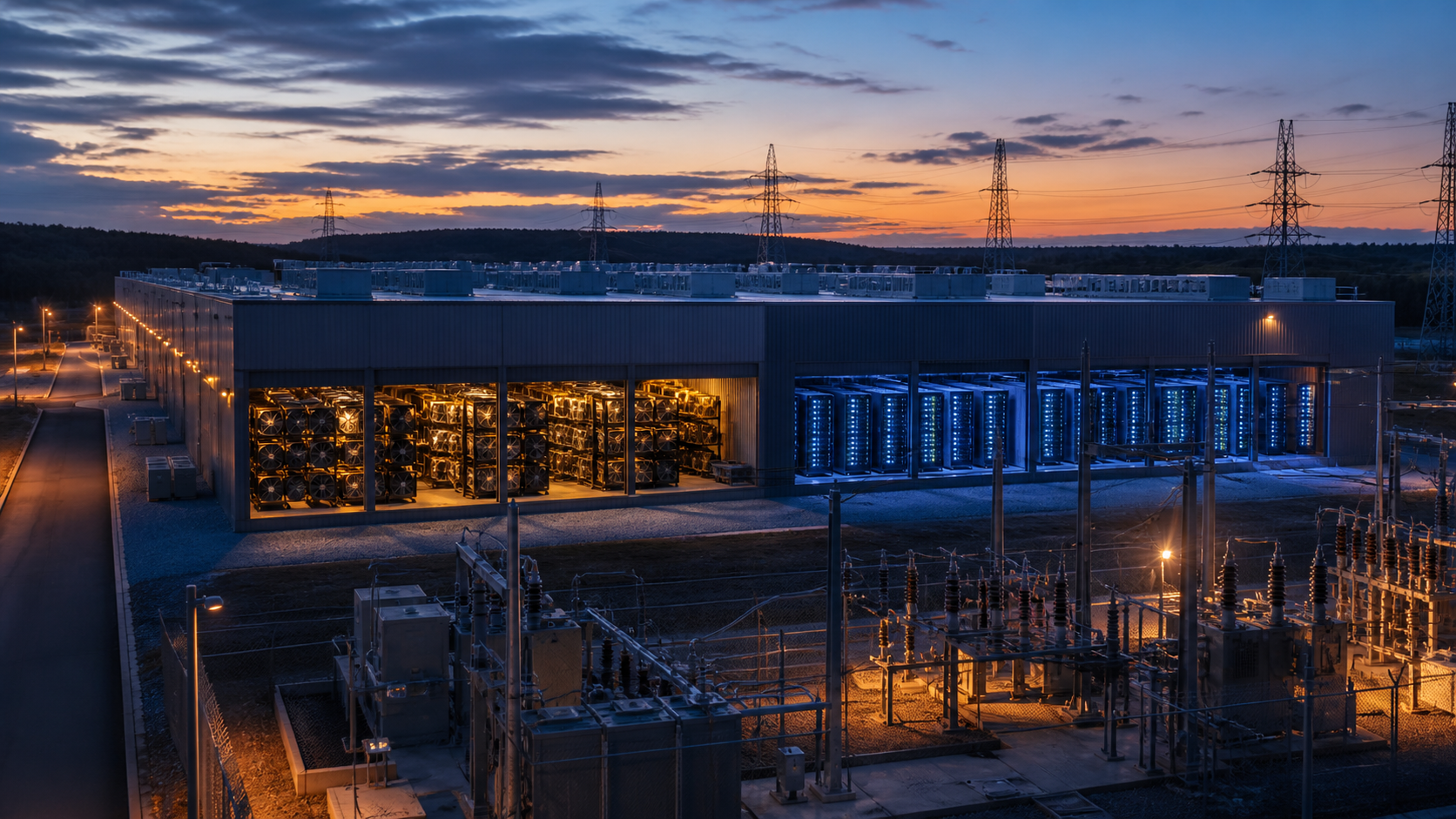
- •CleanSpark signed a 20-year lease for a 175-megawatt data center in Sandersville, Georgia, with projected contracted revenue of about $6.6 billion over the initial term.
- •The company said it needs substantial additional capital, and phased delivery of the Sandersville project is scheduled to begin in the fourth quarter of 2027.
CleanSpark reported a $239 million net loss for its fiscal third quarter, a sharp reversal from the $257 million net income recorded in the same period a year earlier. Revenue declined to $138 million, falling short of the $142.2 million consensus estimate compiled by Yahoo Finance, as the Bitcoin miner accelerated a multi-billion-dollar pivot into AI and high-performance computing infrastructure.
The loss equated to $0.89 per share. Revenue dropped 30.5% year-over-year from $198.6 million. Bitcoin valuation changes accounted for approximately 87% of the magnitude of the swing between last year's profit and this quarter's loss, underscoring how heavily CleanSpark's bottom line remains tied to cryptocurrency prices even as the company diversifies its operations.
Quarterly Results Show Broad Weakness
CleanSpark's report revealed deterioration across nearly all headline financial metrics:
- Revenue: $138 million, down 30.5% year-over-year and below the Yahoo Finance estimate of $142.2 million
- Net loss: $239 million, or $0.89 per share, compared to $257 million in net income in the prior-year quarter
- Operating cash used: $409.3 million over the first nine months of the fiscal year
- Long-term debt: $1.78 billion as of June 30
The revenue decline partly reflects the impact of the April 2024 Bitcoin halving, which reduced block subsidies from 6.25 to 3.125 BTC per block, pressuring margins across the mining sector. CleanSpark has acknowledged requiring substantial additional capital to fund its newest data center commitment, indicating that balance sheet pressures from the mining downturn are directly affecting its expansion strategy.
Sandersville Lease Anchors AI Infrastructure Strategy
CleanSpark signed a 20-year triple-net data center lease agreement in Sandersville, Georgia, for 175 megawatts of critical IT load. The company projects approximately $6.6 billion in contracted revenue over the initial lease term. The tenant, described only as a high-investment-grade global technology company, can extend the agreement in five-year increments for up to 15 additional years, which could raise the total potential value to roughly $11.6 billion. Phased delivery is scheduled to begin in the fourth quarter of 2027.
Those figures represent contractual projections rather than revenue already recognized in CleanSpark's accounts. The company's announcement, also published on its investor relations site, does not identify the tenant, disclose the final construction financing package, or eliminate development and execution risk.
Industry-Wide Pivot Among Bitcoin Miners
The shift reflects a broader industry movement away from pure mining economics. Bitcoin mining facilities hold two assets that AI data center developers need most: large-scale power contracts and industrial-grade electrical infrastructure already permitted and connected. That overlap has made mining sites attractive candidates for conversion to AI and high-performance computing use, where tenants typically pay significantly higher rates per megawatt than cryptocurrency mining generates. The Block reported that both CleanSpark and rival MARA posted double-digit revenue declines in the same period as both companies push deeper into AI infrastructure.
MARA CEO Fred Thiel said the company aims "to participate across multiple layers of the AI infrastructure value chain while staying disciplined on capital allocation," a strategy that CleanSpark's Sandersville lease mirrors in scale. Thiel has also stated that the company does "not view Bitcoin mining and AI infrastructure as competing businesses," characterizing mining revenue as a funding source for the power and land assets that AI tenants seek to lease.
Cointelegraph reported that CleanSpark missed Wall Street revenue estimates and shares sank following the release. CryptoSlate detailed how MARA, under its own financial pressure, sold nearly all of its mined Bitcoin and pledged 18,750 BTC as collateral for AI infrastructure financing with no disclosed safety net.
The pattern across the two largest publicly traded miners points to an industry leveraging Bitcoin treasuries and power contracts to fund AI ambitions rather than maintaining pure holding strategies. Other miners, including TeraWulf and Core Scientific, have pursued comparable data center conversions.
Market Reaction and Open Questions
CleanSpark's stock fell 5.5% on Thursday following the earnings release, then recovered approximately 3% in pre-market trading on Friday, suggesting investors are weighing the Sandersville lease's long-term revenue potential against near-term cash burn and a rising debt load.
CleanSpark has not specified how it plans to bridge the capital gap between its current cash burn and the start of Sandersville deliveries, beyond acknowledging the need for substantial additional capital. That funding question is likely to influence how the stock performs heading into the next earnings report. Financial context was verified against CleanSpark's quarterly results archive.

