Judge Cannon's Secrecy Order Complicates Trump Allies' 'Grand Conspiracy' Investigation
Key Takeaways
- •Judge Aileen Cannon's permanent injunction bars the Justice Department from releasing information about the classified documents investigation into President Trump.
- •Lawyers for current and former FBI agents have asked Cannon to clarify whether they can testify about the Jack Smith probe in other proceedings without violating her order.
- •The government has requested and in some cases subpoenaed agents to provide non-public case information to parties outside the DOJ, including a federal grand jury.
- •The testimony requests arise from Trump allies' effort to investigate a purported 'grand conspiracy' spanning the Russia probe, the classified documents case, and the Jan. 6 attack, though Trump was never a target of the Russia probe.
- •If Democrats regain control of the House, Congress could open its own investigation and appoint a special counsel, an arrangement matching the absence of congressional authorization Cannon cited in deeming Smith's appointment illegitimate.
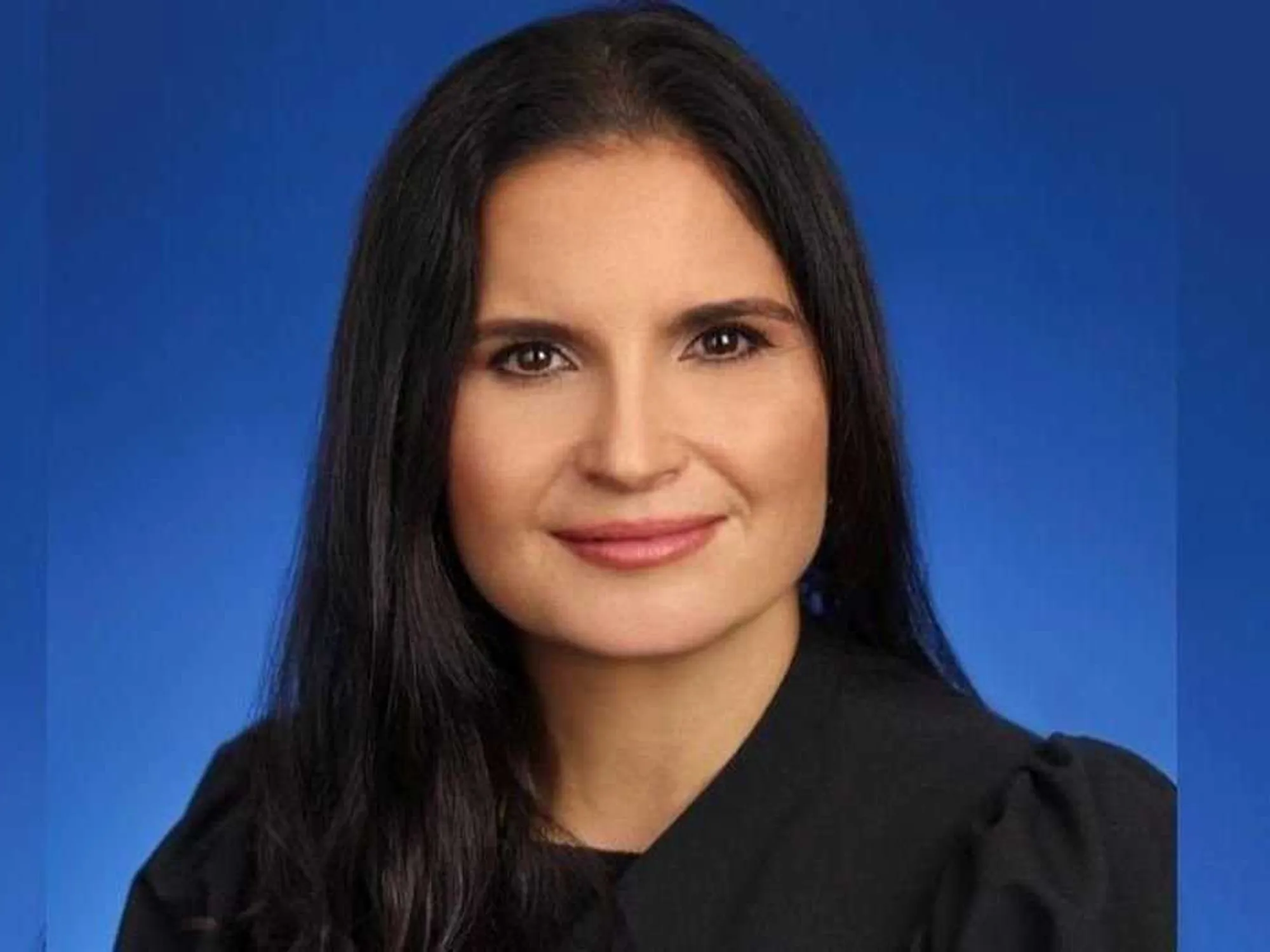
A permanent injunction issued by Judge Aileen Cannon restricting discussion of the classified documents investigation into President Donald Trump has run into an unexpected complication: federal agents involved in the probe are asking whether they may testify about it in other proceedings.
Cannon barred the Justice Department from releasing information about the investigation, which concerned the theft of government documents, including classified material, outside the department. In a new court filing, she was asked whether that restriction means current or former FBI agents can testify about the probe conducted by former special counsel Jack Smith in other trials or investigations. The answer will help define the order's practical reach: a restriction on the department's own disclosures now intersects with subpoenas and formal requests that would carry the same non-public information to people and proceedings outside the department.
The question comes as Trump's allies work to investigate those who investigated him. In Trump world, the Justice Department investigations led by Smith are described as a so-called "grand conspiracy," an alleged effort by government officials to coordinate the targeting of Trump through multiple investigations over the past ten years: the Russia probe, the classified documents case, and the Jan. 6 attack. Trump was never a target of the Russia probe.
The difficulty arises from Cannon's ruling, which stated that no one can discuss anything related to the classified documents case. How she resolves the scope question could determine whether the order functions as a barrier to testimony in entirely separate proceedings, from grand jury sessions to future trials.
In the filing, lawyers for former, and possibly current, FBI agents sought clarification on what they can and cannot say about the investigation into the "unlawful retention of classified documents and national defense information by . . . . Trump."
"The government recently requested—and now, in some cases, subpoenaed—specific clients to provide non-public information about the classified documents case to individuals outside of the Department of Justice ('DOJ')," the filing said.
"Specifically, clients seek to confirm that they can freely discuss non-public information related to their work on the investigation with individuals outside of the DOJ, including but not limited to a federal grand jury and clients' own counsel, without running afoul of the terms of the order," the filing continues.
National security expert Marcy Wheeler noted online, "They basically argue they must be permitted to talk about the case given subpoenas or requests to testify."
The situation places the Justice Department and Cannon in a difficult position. Those FBI agents are being called to provide information for Trump's revenge investigation into the purported "grand conspiracy," meaning a single secrecy order now governs both the flow of information about the original probe and the testimony sought by the effort to investigate it.
At the same time, with Democrats appearing poised to regain control the House of Representatives, questions have surfaced about whether Congress could open its own investigation into the classified documents matter. Cannon had ruled that Smith's appointment as special counsel was illegitimate because he was not appointed by Congress. If Democrats take control of Congress, they could appoint a special counsel and launch their own investigation—an arrangement that tracks the very defect she identified in Smith's appointment, the absence of congressional authorization.
Jameel Jaffer, director of the Knight First Amendment Institute, commented, "DOJ says Judge Cannon's injunction is broad enough to bar any disclosure of Jack Smith's Mar-a-Lago report that would embarrass Trump but not so broad as to bar FBI agents from testifying about the supposed 'grand conspiracy.'"
How Cannon rules on the clarification request—and whether the House actually changes hands—will shape both tracks: the scope of permitted testimony about the classified documents case, and the viability of a competing congressional inquiry.
Source: Alternet

