CLARITY Act Stalls in Senate as Democrats Reject DOJ-Only Ethics Enforcement
Key Takeaways
- •The revised CLARITY Act draft designates the U.S. attorney general as the sole enforcement authority for its ethics provisions, which bar the president, vice president, members of Congress, senior officials, and their spouses from issuing or sponsoring certain digital assets while in office.
- •Senate Democrats oppose the enforcement structure, arguing that excluding state attorneys general from independent enforcement authority provides inadequate oversight given President Trump's disclosed crypto-related income from ventures including World Liberty Financial and memecoin businesses.
- •Senate Majority Leader John Thune intends to bring the bill to the floor before the August recess, a strategy seen as pressuring negotiators rather than reflecting sufficient bipartisan support.
- •Republicans hold 53 Senate seats and would need at least seven Democratic votes to reach the 60 required under cloture rules to advance the legislation.
- •The ethics restrictions are set to expire in 2029 unless extended by Congress, a timeline covering the remainder of Trump's current term but lapsing shortly after.
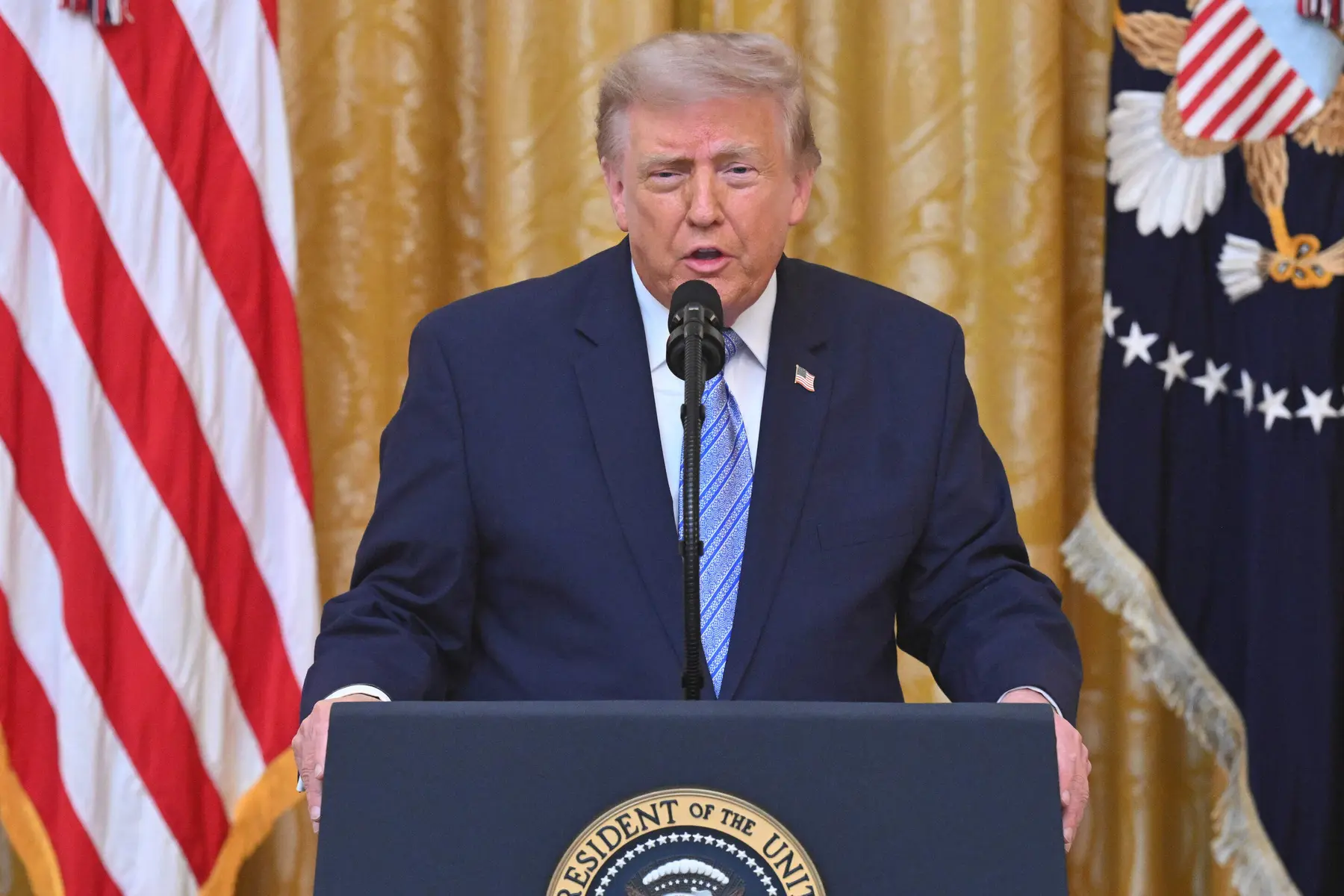
Senate Republicans circulated a revised 616-page draft of the CLARITY Act on July 22 that incorporates a White House-backed ethics provision, but no Democrat has publicly endorsed the latest text. Senate Majority Leader John Thune indicated he wants to bring the bill to the Senate floor before the August recess, though it remains uncertain whether Republicans can secure the 60 votes required to advance the legislation under the Senate's cloture rules. The bill is one of the most significant pieces of crypto-focused legislation to reach the Senate floor, aiming to resolve jurisdictional ambiguity between the SEC and CFTC that has shaped U.S. digital asset enforcement for years.
Ethics Provision Details
The ethics provision prohibits the president, vice president, members of Congress, senior executive branch officials, and their spouses from issuing or sponsoring certain digital assets while in office. It designates the U.S. attorney general as the primary enforcement authority and does not authorize state attorneys general to enforce the ethics rules. The restrictions would expire in 2029 unless extended by Congress — a timeline that would cover the remainder of President Trump's current term but lapse shortly after.
The language was negotiated between Senate Republicans and the White House and represents a compromise the Trump administration was prepared to support. Under the proposal, crypto platforms could be required to avoid listing digital assets issued or sponsored in violation of the ethics rules. The attorney general could pursue civil enforcement against officials and parties that knowingly violate the provision.
With Republicans holding 53 Senate seats, they would likely need backing from at least seven Democrats if all senators vote.
Democrats Focus on Enforcement Structure
For many Democrats, the enforcement structure remains the central concern. They argue that relying solely on the Department of Justice — whose leadership serves at the pleasure of the president — provides insufficient independent oversight, particularly given President Donald Trump's crypto-related business interests. Those concerns intensified after Trump's annual financial disclosure reported substantial income tied to crypto ventures, including World Liberty Financial, a DeFi platform associated with the Trump family, and his memecoin-related businesses.
Sen. Angela Alsobrooks (D, Md.), one of the Democrats who has participated in negotiations on crypto legislation, said this week that any enforcement mechanism limited to the Department of Justice is "an unserious offer." She stated she could not support the bill under its current ethics language, while leaving room for further negotiations before a floor vote.
UPDATE: Sen. Angela Alsobrooks said that the White House proposal to have the DOJ enforce the CLARITY Act's ethics provisions is an "unserious offer." She also said she will not support the bill if it is the only enforcement option, per Eleanor Terrett. pic.twitter.com/Cb0TwfACeR — Coin Bureau (@coinbureau) July 21, 2026
The core disagreement centers on enforcement. Democrats have repeatedly sought to grant state attorneys general independent authority to enforce the ethics provisions, a mechanism used in other federal consumer protection and financial laws. The revised Republican draft instead reserves enforcement authority exclusively to the U.S. attorney general, preventing states from bringing their own actions under that section of the bill. Democratic lawmakers have argued for months that stronger and more independent oversight is necessary.
A group of Democratic senators — including Alsobrooks, Cory Booker, Ruben Gallego, and Mark Warner — has also stated that the current CLARITY Act draft remains inadequate on ethics, consumer protection, illicit finance, and market integrity. Their support could prove critical if Republicans hope to advance the legislation.
Thune's Floor Timeline Adds Pressure
Thune's plan to pursue a floor vote before the August recess appears designed to increase pressure on negotiators rather than signal that the bill already has sufficient bipartisan backing. When asked whether the legislation was ready, Thune said he was hopeful but acknowledged that further discussions and possible revisions could still be necessary.
UPDATE: The CLARITY Act is heading toward a Senate vote, even without Democratic support. Senate Majority Leader John Thune plans to bring the crypto bill to the floor as soon as next week, even if no deal is reached with Democrats, per Bloomberg. The Senate now has just 12… — Coin Bureau (@coinbureau) July 23, 2026
The strategy could force lawmakers to either reach a compromise quickly or publicly demonstrate that bipartisan support remains out of reach. If the bill fails to advance before the Senate departs for the August recess, negotiations could resume later in the year, though the legislative calendar would compress further with midterm elections approaching and competing priorities consuming floor time.
The broader crypto regulation package would establish clearer jurisdictional boundaries between the SEC and CFTC, create a regulatory framework for digital assets, and include provisions affecting decentralized finance developers and blockchain infrastructure participants. The crypto industry has long sought such clarity, arguing that overlapping and ambiguous regulatory authority has stifled innovation and pushed projects offshore. While Republicans had hoped the revised ethics language would attract Democratic support, negotiations remain ongoing, and the bill's prospects are still uncertain.

