Sen. Bill Hagerty Urges Senate to Vote on CLARITY Act as Crypto Regulation Debate Intensifies
Key Takeaways
- •Senator Bill Hagerty called on lawmakers to hold a vote on the CLARITY Act as attention grows around crypto legislation in Washington.
- •Supporters say the bill would create a clearer legal framework for digital assets by assigning regulatory responsibilities and reducing ambiguity.
- •The legislation is expected to affect exchanges, blockchain developers, institutional investors, and other digital asset businesses by providing more predictable operating standards.
- •Advocates argue that clearer U.S. rules could support innovation, improve consumer protections, and help prevent investment and talent from moving overseas.
- •The debate comes as institutional participation in crypto is rising and foreign financial centers are advancing their own digital asset regulations.
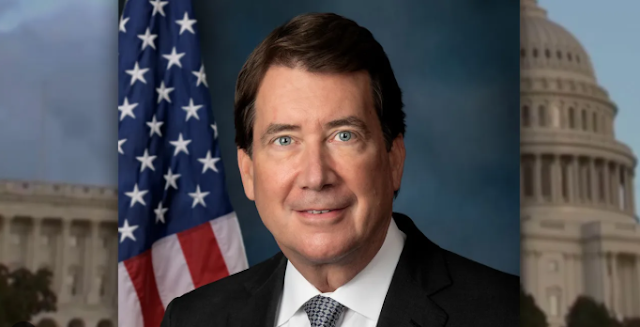
U.S. Senator Bill Hagerty has renewed his call for lawmakers to approve the CLARITY Act, saying, "It's time for a vote. Pass CLARITY." His remarks come as momentum builds in Washington behind comprehensive cryptocurrency legislation that could reshape the regulatory framework governing digital assets in the United States.
The statement has drawn significant attention across the cryptocurrency industry, where investors, blockchain companies, and financial institutions have long called for clearer rules governing digital assets. Hagerty's comments were also highlighted by Cointelegraph through its official X account, underscoring the legislation's growing importance in both political and financial circles.
Supporters say the CLARITY Act is one of the most consequential crypto bills introduced in the United States, with the potential to establish long-awaited regulatory certainty for blockchain innovation while strengthening investor protections and market oversight.
As the Senate prepares to consider the proposal, industry participants are closely watching developments that could define the next chapter of digital asset regulation in the world's largest economy.
Source: XPost
The crypto industry has repeatedly said that regulatory clarity is essential for long-term growth, and the current debate reflects why the issue has remained central for years. Different federal agencies have often taken varying approaches toward digital assets, creating confusion over how cryptocurrencies should be classified and regulated. The CLARITY Act seeks to address those concerns by establishing a more transparent legal framework that defines regulatory responsibilities and provides clearer guidelines for companies operating in the blockchain sector.
Supporters believe the legislation could encourage innovation while also improving consumer protections and market integrity. By reducing uncertainty, lawmakers hope to create an environment where responsible blockchain businesses can expand without facing conflicting regulatory interpretations.
Blockchain developers, exchanges, investment firms, payment companies, and institutional investors have consistently argued that unclear rules discourage investment and push innovation overseas. In recent years, several digital asset companies have expanded internationally, citing clearer legal frameworks in jurisdictions such as Europe, Singapore, the United Arab Emirates, and other emerging crypto hubs. Advocates of the CLARITY Act argue that updated legislation could help the United States remain globally competitive while attracting new investment into blockchain infrastructure and financial technology.
Senator Hagerty has emerged as one of the most active congressional voices supporting digital asset innovation. He has frequently argued that blockchain technology represents an important opportunity for economic growth, financial innovation, and technological leadership. During recent legislative debates, Hagerty has stressed that effective regulation should balance innovation with consumer protection rather than unnecessarily restricting emerging technologies. His latest call for an immediate Senate vote reflects growing urgency among lawmakers seeking to finalize cryptocurrency legislation after years of policy discussions.
Financial markets generally function more efficiently when regulatory expectations are clearly defined. For cryptocurrency businesses, uncertainty around licensing requirements, token classifications, securities laws, taxation, custody standards, and compliance obligations has complicated long-term planning. Institutional investors also tend to favor predictable regulatory environments before allocating substantial capital to emerging markets. Clear legislation could therefore increase institutional participation while improving investor confidence across digital asset markets.
If enacted, the CLARITY Act could affect several parts of the digital asset economy. Cryptocurrency exchanges may benefit from clearer operating standards. Blockchain developers could gain greater certainty regarding token issuance and network development. Institutional investors may find compliance requirements easier to navigate. Stablecoin issuers, decentralized finance projects, digital asset custodians, and Web3 companies could also operate under a more predictable regulatory framework. Although implementation details would ultimately depend on regulatory agencies, supporters say the legislation would reduce ambiguity that has persisted for years.
The timing of the legislation coincides with increasing institutional participation across cryptocurrency markets. Major asset managers, banks, payment companies, and publicly traded corporations have expanded their involvement in blockchain technologies. Spot Bitcoin exchange-traded funds have attracted substantial institutional capital, while tokenization, stablecoins, and blockchain settlement continue to spread across traditional finance. Many industry participants argue that comprehensive legislation could support these trends by providing stronger legal foundations for institutional investment.
The United States also faces growing competition from international financial centers seeking to attract blockchain businesses. Several countries have introduced comprehensive cryptocurrency regulations aimed at encouraging responsible innovation while maintaining financial stability. Europe's Markets in Crypto-Assets framework, along with regulatory initiatives across Asia and the Middle East, has increased pressure on U.S. lawmakers to establish competitive domestic policies. Supporters of the CLARITY Act say modern legislation is necessary to ensure America remains a global leader in financial technology and digital asset innovation.
One of the central challenges for lawmakers is balancing innovation with effective oversight. Consumers need protection from fraud, market manipulation, and operational failures. At the same time, regulators aim to avoid imposing unnecessary burdens that could discourage technological development. The CLARITY Act attempts to strike that balance by providing clearer legal definitions while preserving appropriate regulatory safeguards. Supporters argue that transparent rules ultimately benefit both consumers and legitimate businesses by creating consistent expectations across the marketplace.
Cryptocurrency markets often respond positively to signs of regulatory progress. Clearer legislation generally reduces uncertainty, which can improve investor sentiment and encourage long-term capital investment. Although the final legislative outcome remains uncertain, comments from influential lawmakers often draw close attention from digital asset markets. Investors continue to monitor congressional developments for clues about future regulatory direction.
Senator Bill Hagerty's call for the Senate to "Pass CLARITY" reflects growing momentum behind one of the most closely watched cryptocurrency bills in the United States. As lawmakers move closer to considering the legislation, the outcome could shape the future of blockchain innovation, digital asset regulation, and institutional adoption for years to come. For cryptocurrency companies, investors, and financial institutions, regulatory certainty has long been viewed as a missing piece needed to support sustainable industry growth.
While debate over the legislation continues, the urgency expressed by lawmakers suggests that comprehensive crypto regulation is becoming an increasingly important priority in Washington. Whether the CLARITY Act ultimately becomes law or is revised further, the discussion marks another significant step in the evolution of U.S. digital asset policy and reinforces the growing recognition that blockchain technology has become an integral part of the modern financial system.

