Clarity Act Fails US Senate Procedural Vote 49-50 Amid Ethics Dispute Over Trump's Crypto Wealth
Key Takeaways
- •The Senate's procedural vote on the Clarity Act failed 49 to 50, leaving the bill eleven votes short of the 60-vote threshold and blocking it for the rest of the year.
- •The legislation would have split crypto oversight between the SEC and CFTC and established the first federal legal framework for digital asset trading venues, brokers, and issuers.
- •Democratic opposition hardened over an ethics dispute involving President Trump's crypto income, which his financial disclosure reports at more than $1.4 billion, largely from the TRUMP memecoin and World Liberty Financial.
- •Four Republicans, including Susan Collins, Josh Hawley, Jerry Moran, and Thom Tillis, broke with their caucus, with Tillis switching his vote in order to preserve a procedural motion to reconsider.
- •A new attempt is possible at the earliest in a lame duck session after the November 3 midterms, while the SEC continues separate rulemaking with a comment period running until October 20, 2026.
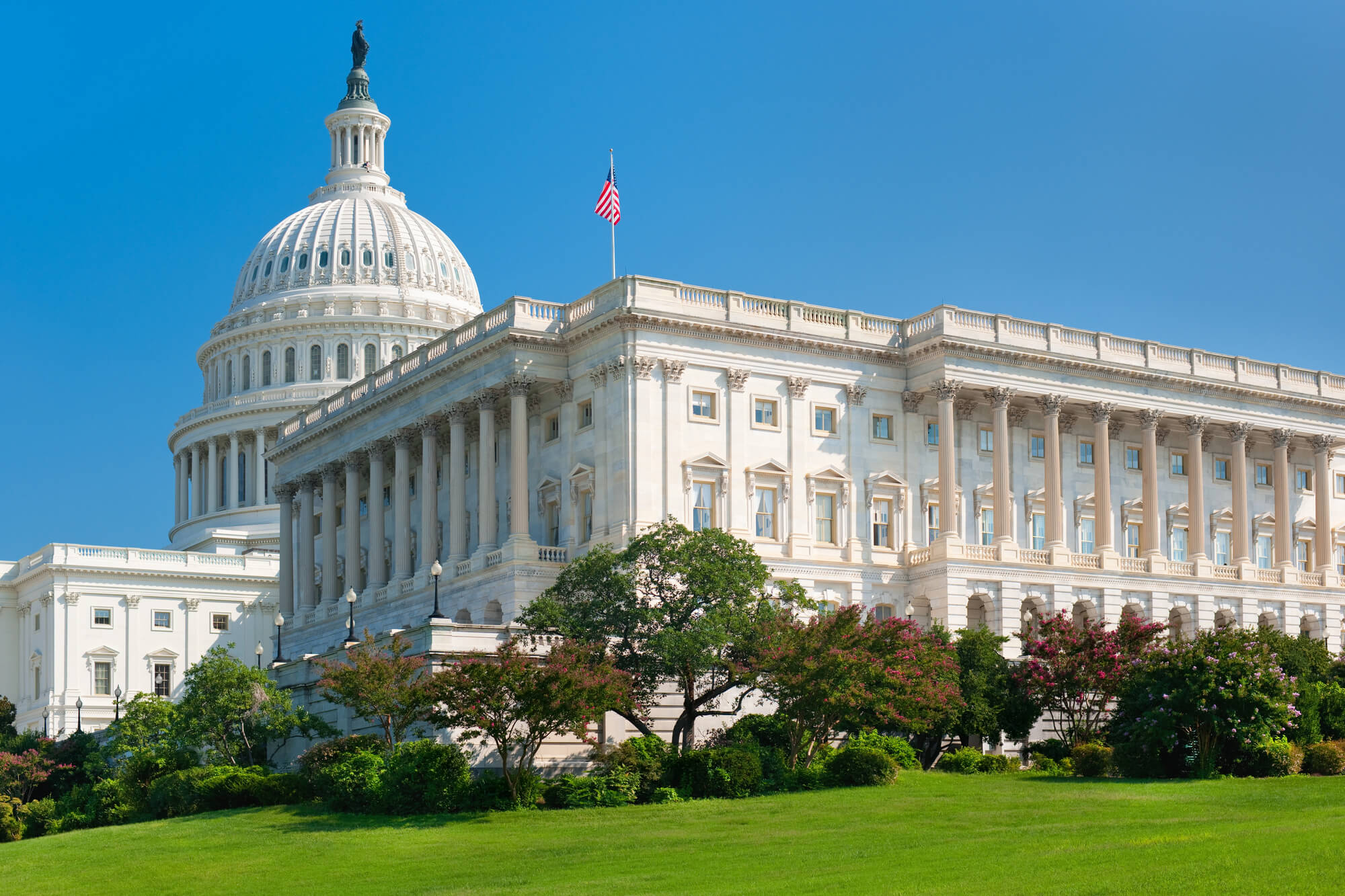
The US Senate has failed the procedural vote on the Digital Asset Market Clarity Act, rejecting the measure by 49 votes to 50. The outcome left the bill eleven votes short of the 60-vote threshold required to advance. Four Republicans voted against their own caucus, and an ethics dispute over President Trump's crypto wealth had pushed Democrats into the no camp before the vote. The chamber had returned from its summer recess only one day earlier.
What the Clarity Act would change
The Digital Asset Market Clarity Act, running through Congress under the number H.R. 3633, would split oversight of crypto assets between the securities regulator SEC and the futures regulator CFTC. It would create a federal legal framework for the first time, covering trading venues, brokers and issuers of digital commodities. To date, no federal statute defines which of the two agencies oversees which crypto activity; drawing that boundary is what the bill was written to do.
The House first passed its version in July 2025 by 294 to 134 votes, with all 216 Republicans present and 78 Democrats in favor. The Senate took up the bill in September 2025, and the Banking Committee cleared it in May 2026 by 15 to 9 votes. Since then, the industry has waited for the floor call. Only in early June 2026 did the committee formally report the bill back to the floor. Majority Leader John Thune filed cloture in August 2026, shortly before the summer recess. No other market structure bill had ever come this far in Congress.
Ethics dispute over Trump's crypto wealth
On Sunday evening before the vote, Republicans led by Senator Cynthia Lummis presented a revised version of the bill. The revision allows state attorneys general to sue crypto exchanges and the Justice Department. It also requires officeholders to divest substantial financial holdings or move them into a blind trust. Formally, that duty applies to every officeholder, but the business of the president's family triggered the debate.
Democrats considered the clause unenforceable, since the Justice Department itself would decide on a suit against its own president. On law enforcement and national security, the two sides stood close together. Yet the deal still broke down over the conflict of interest.
Trump's own crypto income sits at the center. His financial disclosure reports more than USD 1.4 billion from crypto business for the previous year. The proceeds come from the memecoin TRUMP and the family firm World Liberty Financial, among others. Several senators previously seen as undecided therefore voted no, among them Kirsten Gillibrand, Catherine Cortez Masto, Angela Alsobrooks, Cory Booker and Mark Warner. The Democratic caucus counts 47 members including the two independents, and everyone present voted against the bill.
"We came close on the toughest outstanding questions around law enforcement and national security, but ultimately the failure to address this fundamental conflict of interest made it impossible to support moving forward. That is why I voted no today."
— Mark Warner, Senator (D-Virginia)
Four Republicans break ranks
On the Republican side, Susan Collins, Josh Hawley, Jerry Moran and Thom Tillis broke ranks. Tillis had voted yes at first and then switched deliberately to no. That secured him the procedural right to file a motion to reconsider, making his no mainly a procedural step. The senator spoke of substantial bipartisan progress, which he credited in large part to the White House.
Eleven votes short after twelve months in the Senate
The arithmetic had been uncomfortable from the start. With 53 of the 100 seats, Republicans needed at least seven Democratic or independent votes to reach the 60-vote threshold. Supporters consequently counted on a handful of undecided Democrats, but not a single one of those votes materialized.
The official Senate record shows 49 yes votes and 50 no votes. Democrat Chris Coons did not take part, meaning the caucus supplied 46 no votes. Together with the four dissenting Republicans, that produced the reported 50. The text of the bill was not even up for debate. Cloture decides only whether a bill gets called up, so the industry failed at the very entrance to the procedure.
New attempt at the earliest after the midterms
For the rest of the year, the bill counts as blocked. The Senate moves into its campaign phase before the midterm elections on November 3, while the House has canceled its final two September session weeks. A new attempt is therefore possible at the earliest in a lame duck session after the elections. Those elections also decide the majorities with which a future Congress picks up the issue. Until then, the motion to reconsider that Tillis secured with his no remains an open procedural hook.
The SEC, meanwhile, is working on its own rulemaking. Under the title "Regulation Crypto Assets", the comment period runs until October 20, 2026. SEC Chair Paul Atkins had announced his course the day before the vote: the agency keep working regardless of the legislative outcome. However, a regulation from the agency does not replace a federal law. A future commission can withdraw it, and it does not conclusively settle the boundary with the CFTC.
This article is based on reporting by Crypto Valley Journal.

