CLARITY Act Draws Bipartisan State Opposition Ahead of Senate Vote
Key Takeaways
- •Eighteen state attorneys general, led by New York AG Letitia James, signed a bipartisan letter opposing the CLARITY Act in its current form and requesting changes that preserve state enforcement authority over crypto licensing, registration, and fraud prosecution.
- •The attorneys general warned that the bill could displace states as the first line of defense against crypto misconduct and that ambiguities in the legislation could allow bad actors to evade state oversight.
- •The revised Senate Republican draft includes tougher ethics provisions and 126 revisions sought by Democrats, but removes criminal-prosecution protections for developers that had been included under the Blockchain Regulatory Certainty Act, disappointing industry stakeholders.
- •Senate Democrats had not yet formally responded to the revised text, while Polymarket odds for the bill's passage rose from below 20% to 28%.
- •Maryland Senator Chris Van Hollen is campaigning against the bill, and Indian Gaming Association chair David Z. Bean said the legislation fails to address Indian Country's concerns despite amendments carving out prediction markets.
The CLARITY Act is facing opposition from state attorneys general, Tribal gaming representatives and some cryptocurrency policy groups ahead of a Senate procedural vote. The state officials argue that preserving state oversight of the cryptocurrency industry is essential to protecting consumers and investors.
The challenge emerged less than 24 hours after Senate Republicans released what they described as the bill’s final version. The new draft contains tougher ethics provisions and includes 126 revisions sought by Democrats, but concerns about the legislation remain. At stake is a question to the future of digital asset regulation in the United States: how much authority over crypto oversight should rest with federal regulators, and how much should remain with individual states.
State Attorneys General Seek Changes to CLARITY Act
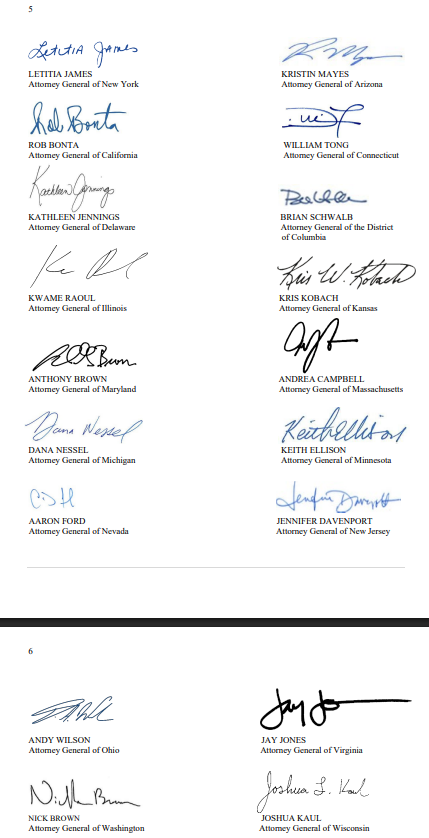
Eighteen state attorneys general, led by New York Attorney General Letitia James, opposed the CLARITY Act in its current form in a letter sent to Senate Banking Committee Chair Tim Scott and ranking member Elizabeth Warren. The letter was issued ahead of Tuesday’s Senate procedural vote and called for changes that would preserve state enforcement authority.
According to the attorneys general, the current draft could limit states’ ability to prosecute cryptocurrency fraud and scams. They argued that states could lose their role as the first line of defense against crypto-related misconduct, potentially benefiting bad actors. That division of responsibility matters in practice: it determines which regulators can move against crypto fraud and where consumers and investors can seek enforcement when misconduct occurs.
The officials called for states to retain enforcement powers involving the licensing and registration of securities intermediaries and transactions. They said the bill’s current language could displace those fundamental regulatory tools.
The letter received bipartisan support. Signatories included attorneys general from Democratic-led states such as New York, California, Delaware, Maryland, Arizona, Connecticut, Illinois, Michigan, Massachusetts, Nevada, New Jersey, Virginia, Washington, Wisconsin and the District of Columbia, as well as Republican-led Kansas and Ohio.
The attorneys general also argued that ambiguities in the CLARITY Act could allow bad actors to evade state oversight. They called for those ambiguities to be resolved and for the removal of preemptive provisions that, in their view, would give federal agencies excessive control over state regulators.
The letter is available from the New York Attorney General’s Office: official letter.
Revised Bill Tightens Ethics Rules but Remains Contested
The state attorneys general intervened after Senate Republicans released a version that many regard as the strongest and final draft of the CLARITY Act. The proposal includes stricter ethics rules intended to address a major Democratic concern.
At the same time, the draft removes criminal-prosecution protections for developers that had been included under the Blockchain Regulatory Certainty Act (BRCA), a change that has disappointed crypto industry stakeholders. Crypto policy groups have also criticized the BRCA revisions. The revisions show the bill’s backers attempting to close the gap with Democrats on ethics while absorbing criticism from industry stakeholders over developer protections — an indication of how difficult it is to assemble a durable coalition for the legislation.
Coin Center Director of Policy Jason Somensatto described the change as disappointing, while adding that it was “still helpful to codify the regulatory protections for developers.”
Senate Democrats had not yet formally responded to the revised text. Even so, expectations for the bill’s passage increased on Polymarket, where the odds rose from below 20% to 28%.
Opposition remains. Maryland Democratic Senator Chris Van Hollen has been campaigning against passage of the bill. David Z. Bean, chair of the Indian Gaming Association, said the CLARITY Act does not address concerns in Indian Country, despite amendments intended to carve out prediction markets.
Attention now turns to Tuesday’s procedural vote, Senate Democrats’ formal response to the revised text, and whether further revisions address the attorneys general’s request to preserve state licensing and registration authority.
The revised legislation and the Senate vote remain subject to further negotiations. Legislative proposals can change and may not become law in their current form. This article is for informational purposes only and does not constitute legal, financial or investment advice.
Source: The Market Periodical.

