Senate Adds Stricter Ethics Provisions to CLARITY Act Amid Uncertain Vote Path
Key Takeaways
- •The amended CLARITY Act introduces temporary bans preventing the president, vice president, and other top federal officials from issuing or sponsoring digital assets for profit.
- •Senator Cynthia Lummis announced the ethics agreement on July 22, 2026, characterizing it as a voluntary elevation of ethical standards for all federal officials.
- •SkyBridge Capital founder Anthony Scaramucci described the bill's legislative path as extremely difficult but indicated Democrats would ultimately support it if it reaches the Senate floor.
- •Pro-crypto Democrats have signaled dissatisfaction with the current bill text, citing unresolved gaps in conflict-of-interest safeguards, ethics enforcement, and anti-money laundering controls.
- •Prediction markets have reduced the likelihood of the CLARITY Act's passage, reflecting growing skepticism about its ability to clear procedural hurdles before the August recess.
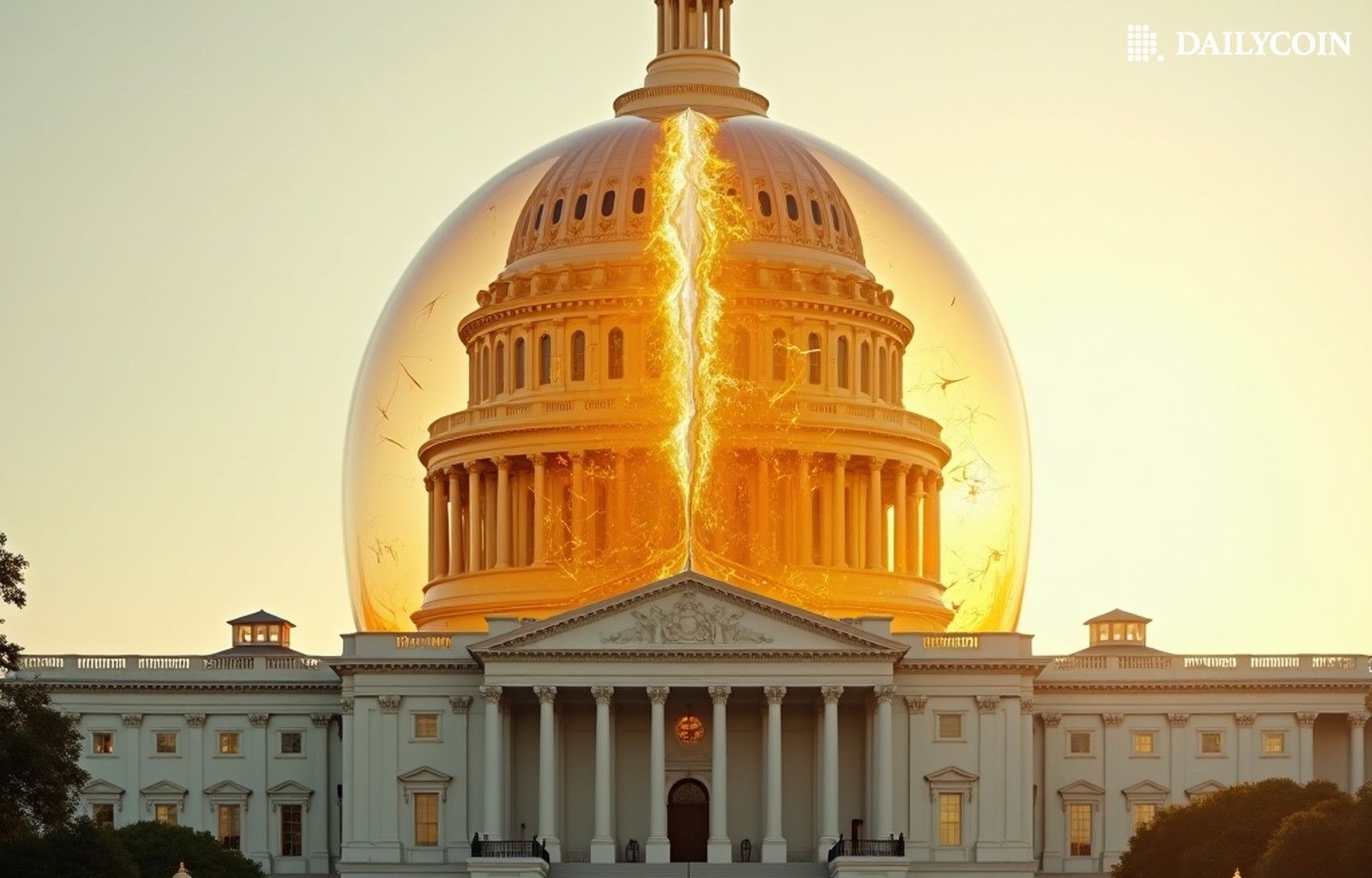
Washington's flagship cryptocurrency legislation is undergoing a significant mid-stream revision, as the Digital Asset Market CLARITY Act — a market-structure bill designed to resolve the long-standing jurisdictional ambiguity between the SEC and CFTC over digital assets — has been amended with tougher ethics restrictions for senior government officials.
The latest draft introduces temporary bans prohibiting the president, vice president, and other top federal officials from issuing or sponsoring digital assets — a direct response to mounting concerns over conflicts of interest. The provisions arrive against the backdrop of the Trump family's active involvement in crypto ventures, including World Liberty Financial and the $TRUMP meme coin, which drew sustained scrutiny from ethics watchdogs and Democratic lawmakers.
Ethics Rules Take Center Stage
Negotiators have shifted their focus away from the technical debates over whether digital assets should be classified as securities or commodities, turning instead to questions of optics and accountability. The central objective is to prevent lawmakers and executive branch officials from personally profiting while crafting the regulatory framework governing the industry. The ethics amendments effectively transform what began as an industry-driven push for regulatory clarity into a broader referendum on public-trust standards for digital assets.
Senator Cynthia Lummis (@SenLummis) highlighted the agreement in a post on X on July 22, 2026:
History will remember this as the moment a president chose a higher standard of ethics than the law required of him. This agreement bans ALL federal officials — including the President — from issuing or sponsoring a digital asset for profit, with real enforcement and real… pic.twitter.com/zYlD0nRGjB
— Senator Cynthia Lummis (@SenLummis) July 22, 2026
https://x.com/SenLummis/status/2079970082852073833
Anthony Scaramucci's Blunt Assessment
Appearing on CNBC, SkyBridge Capital founder Anthony Scaramucci offered a frank assessment of the bill's prospects. He described the legislation's path forward as "extremely difficult," cautioning that even with the revised ethics provisions, securing the 60 Senate votes needed to overcome a legislative filibuster remains a long shot given the current partisan climate.
However, Scaramucci also suggested that Democrats would ultimately back the CLARITY Act if it reaches the Senate floor, according to a post by The Moon Show (@TheMoonShow) on X on July 23, 2026:
JUST IN: 🇺🇸 Anthony Scaramucci says Democrats will ultimately back the CLARITY Act if it reaches the Senate floor. pic.twitter.com/zFaiVME6AB
— The Moon Show (@TheMoonShow) July 23, 2026
https://x.com/TheMoonShow/status/2080216509989712352
Scaramucci had previously labeled the CLARITY Act "dead on arrival," pointing to political friction and partisan gridlock as the primary obstacles.
Vote Math Grows More Precarious
Senate leadership is pressing for a floor vote as early as next week, but the vote count remains fragile. Some Democrats have voiced reservations about the bill's current direction, while at least one Republican has indicated that the ethics package requires further refinement. The compressed timeline ahead of the August recess leaves little room for further amendments, raising the prospect that the bill could carry over into the fall session alongside other unfinished crypto priorities, including stablecoin legislation.
Prediction markets have also lowered the odds of passage, reflecting increased skepticism about the bill's trajectory. The Moon Show (@TheMoonShow) reported on X on July 23, 2026 that pro-crypto Democrats are signaling dissatisfaction with the current text:
🚨 CLARITY ACT FACES FRICTION: Pro-crypto Democrats are signaling dissatisfaction with the current Clarity Act text, citing unresolved gaps in: 🔹 Conflict-of-interest safeguards 🔹 Ethics enforcement 🔹 Anti-Money Laundering (AML) controls Without key Democratic…
— The Moon Show (@TheMoonShow) July 23, 2026
https://x.com/TheMoonShow/status/2080176860432908391
Implications for the Crypto Industry
If enacted, the CLARITY Act would provide long-sought regulatory clarity, establishing defined pathways for token launches, trading platforms, and broader industry innovation. For firms that have operated under a patchwork of SEC enforcement actions and CFTC oversight — a regime that has produced costly litigation and inconsistent rulings — the bill represents a structural shift toward defined statutory rules. Market participants widely regard the bill as foundational legislation for the digital asset sector.
Nevertheless, the current debate underscores how ethics, optics, and political considerations have come to dominate what was originally a technical regulatory discussion. The central question now facing observers is whether the Senate can deliver meaningful legislative clarity before the August recess, or whether partisan gridlock will once again delay progress.