CLARITY Act Adopts $50 Million Annual, $200 Million Lifetime Crypto Fundraising Caps
Key Takeaways
- •The CLARITY Act has adopted a Democratic-proposed reduction of the annual Regulation Crypto fundraising cap from $75 million to $50 million, according to Senator Cynthia Lummis.
- •A $200 million lifetime fundraising limit was also added to the legislation at the request of Democratic lawmakers.
- •Lummis questioned why Democratic lawmakers voted against advancing the bill after their own amendments were into its text.
- •The bill failed a Senate procedural vote on September 15, 2026, after falling short of the 60 votes needed to advance, leaving it deadlocked ahead of the midterm elections.
- •The CLARITY Act aims to clarify digital asset oversight between the SEC and the CFTC, with retail investor protection remaining a central point of the debate.
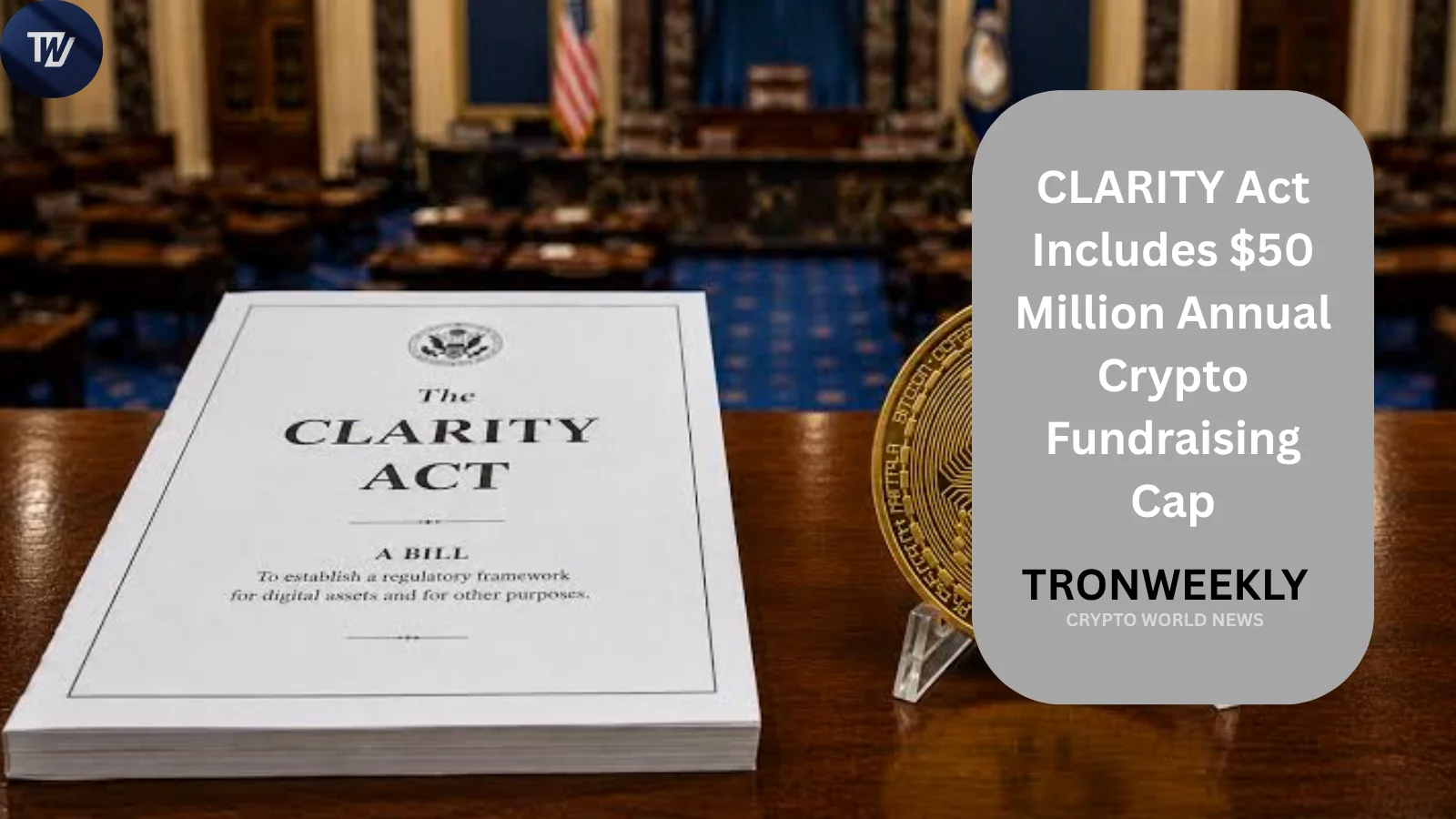
The CLARITY Act has adopted two proposed restrictions on the amount of money that can be raised under Regulation Crypto, following requests from some Democratic members of Congress to change the bill, according to United States Senator Cynthia Lummis.
Lummis announced the development on her X account, noting that the proposals were accepted and included in the legislation. She criticized Democratic lawmakers for withholding support from the bill despite the changes, saying the measure contains provisions designed to protect retail investors. The bill remains stalled in the Senate after a failed procedural vote in September.
"Democrats asked to cut the annual Regulation Crypto fundraising cap from $75 million to $50 million and add a $200 million lifetime limit. We agreed to both and included them in Clarity Act. Democrats voted against the rules they wrote to protect retail investors."
— Senator Cynthia Lummis (@SenLummis), October 25, 2026, on X
CLARITY Act Includes Two Crypto Fundraising Limits
According to Lummis, Democratic lawmakers sought two amendments to the CLARITY Act. The first reduces Regulation Crypto's annual fundraising cap from $75 million to $50 million, while the second establishes a lifetime fundraising limit of $200 million.
She said the parties involved agreed to both demands and made the necessary additions to the legislation. Together, the amendments set both yearly and cumulative ceilings on how much capital can be raised under Regulation Crypto, establishing clear boundaries for fundraising within the regulatory framework. In practice, the annual cap governs how much can be raised in any single year, while the lifetime cap constrains the cumulative total raised over time. The negotiated change also trims the yearly ceiling by one third from the $75 million level that preceded it.
Lummis nonetheless questioned why Democratic lawmakers went on to vote against advancing the CLARITY Act after their own suggestions had been incorporated into the text. Her remarks underscore the ongoing conflicts that continue to hinder attempts to establish a federal regulatory framework for cryptocurrencies. The proposed fundraising limitations are only one element of the larger debate over how cryptocurrency ventures should be permitted to raise capital while ensuring that investors are adequately protected.
CLARITY Act Faces a Senate Voting Challenge
September 15, 2026 became a serious roadblock for the CLARITY Act, when the proposed legislation failed to advance through the Senate in a procedural vote. According to Reuters, the bill was unable to gather the 60 votes necessary to move forward, the threshold required to cut off debate and proceed in the 100-member chamber.
The result left the bill deadlocked in the lead-up to the United States midterm elections, underscoring the complexity of assembling enough votes for cryptocurrency regulation. Any renewed attempt to move the legislation forward would face the same 60-vote threshold.
The CLARITY Act seeks to establish a comprehensive market structure framework for digital assets, clarifying oversight responsibilities between the Securities and Exchange Commission and the Commodity Futures Trading Commission. For the cryptocurrency industry, its significance lies in the potential to define regulatory duties and create clearer regulatory standards for crypto businesses. With a national standard in place, firms would find it easier to develop their services.
Nevertheless, the inability of politicians to reach consensus is slowing the process. Even after individual proposals gain approval, the full bill still requires enough backing in the Senate to advance.
Debate Focuses on Retail Investor Protection
Investor protection remains at the center of the discussion surrounding the CLARITY Act. According to Lummis, the law contains regulations she crafted to ensure the safety of retail investors, and her criticism of the Democratic vote became a prominent aspect of her public.
The annual and lifetime caps on fundraising included in the regulation would reduce the amount of money that can be raised under it. The restrictions may help define more distinct boundaries for capital formation. The disagreement also highlights the larger struggle to balance the protection of investors with the requirements of the cryptocurrency business. Before the bill can move, lawmakers must first find common ground on the underlying regulations.
For now, the CLARITY Act remains at a standstill following the procedural vote that took place in September. Its future depends on lawmakers' ability to reach a solution and gain enough support to move forward. The fundraising limitations are still a key point of the discussion, but further legislative work is required before the bill can advance.
Source: Tron Weekly

