Latest Clarity Act Draft Restricts Trump and Officials From Crypto Ventures—But Only Until 2029
Key Takeaways
- •The Clarity Act's ethics provision prohibits public officials and their spouses from issuing or sponsoring digital assets while in office but includes a sunset clause expiring January 20, 2029, and does not cover their children.
- •The bill requires 60 Senate votes to advance, meaning at least 10 Democrats must support it, though many have already objected to the limited scope of the conflict-of-interest restrictions.
- •If enacted, the legislation would establish the first comprehensive federal framework governing cryptocurrency activity in the United States, ending years of regulatory ambiguity under SEC enforcement actions and court rulings.
- •The draft preserves the Blockchain Regulatory Certainty Act providing safe harbor for non-custodial software developers, while maintaining restrictions on stablecoin yield that have drawn opposition from the banking industry.
- •Majority Leader John Thune intends to bring the bill to the Senate floor imminently, with the first week of August viewed as the last realistic window before the recess and midterm elections reshape congressional priorities.
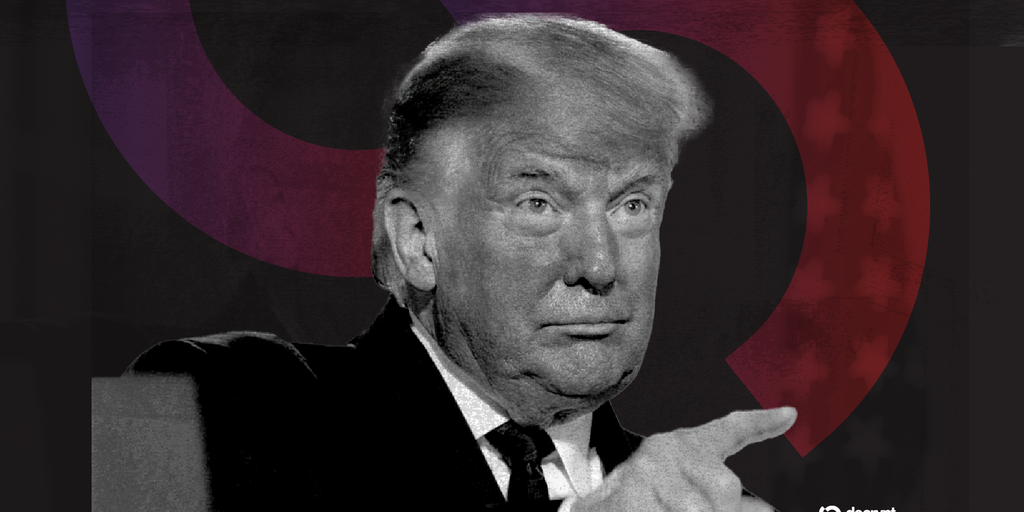
The latest—and potentially final—version of the long-awaited Clarity Act is now circulating in the U.S. Senate, featuring the hotly debated ethics provision that Democrats have sought: restrictions on the president and his family from engaging in cryptocurrency business activities. The ban, however, is written to expire and would not extend to President Donald Trump's sons.
According to the 616-page draft text, the ethics provision would block public officials and employees, along with their spouses, from issuing or sponsoring digital assets while in office. Officials would still be permitted to invest in crypto, and the restrictions do not extend to the children of public officials.
Enforcement would fall to the Justice Department, and the section includes a sunset clause stating it will have "no force and effect on and after noon on January 20, 2029"—the end of the current presidential term.
The ethics language has been widely regarded as the final hurdle to passing the sweeping market-structure bill, which would—if enacted—formally legalize most cryptocurrency activity in the United States. For years, digital asset firms have navigated a patchwork of SEC enforcement actions and court rulings without comprehensive federal legislation defining which agency regulates which tokens, leaving the industry to operate under legal ambiguity that has pushed some companies offshore.
"Today's draft is a meaningful step toward the Senate vote on the Clarity Act we've been calling for," Digital Chamber CEO Cody Carbone said in a statement. "We look forward to reviewing the latest, and we will provide our members' feedback on how the bill may still be improved as it moves forward."
At the center of the current fight over meaningful conflict-of-interest restrictions are President Trump's meme coin ventures and his family's company, World Liberty Financial. Financial disclosures released last month showed Trump earned more than $1.2 billion from crypto businesses last year, which Democrats have cited as evidence of conflicts of interest. Senator Elizabeth Warren has demanded the bill bar the president, vice president, senior officials, members of Congress, and their families from profiting off the sector.
The temporary nature of the ban, combined with the decision to leave enforcement solely with the DOJ, is likely to draw Democratic objections. Furthermore, since the language does not cover President Trump's children—Don Jr. and Eric Trump, who are involved in World Liberty Financial—it may not deliver the full effect Democrats had hoped for. The bill requires 60 votes to clear the Senate, meaning at least 10 Democrats would need to support it, and many have already balked.
Beyond the ethics debate, the latest draft preserves the Blockchain Regulatory Certainty Act, a provision that creates a safe harbor for non-custodial software developers by clarifying they are not "money transmitters" subject to the compliance obligations that designation carries. Much of the crypto industry considers the measure essential, arguing it provides legal certainty and keeps development onshore. The provision follows Trump-era DOJ prosecutions that sent crypto developers to prison for building privacy tools.
The developer protections have also drawn opposition. Law enforcement groups and a coalition of 82 Catholic leaders have warned that the measures could weaken safeguards against human trafficking, money laundering, and child exploitation.
Another major point of contention—the matter of so-called stablecoin yield, which has drawn the ire of the banking industry—remains unchanged from the previous version of the bill. The language places limits on idle yield, meaning neither stablecoin issuers nor providers like Coinbase would be able to offer rewards solely on stablecoin balances. The restriction reflects a broader tension between crypto platforms and traditional banks over who can offer interest-bearing products to consumers.
Majority Leader John Thune intends to bring the bill to the Senate floor in the coming days. With the Senate's August recess approaching, the first week of August is widely seen as the last realistic window for the bill to advance before attention shifts to the November midterms, whose outcome will determine control of Congress and shape the prospects for any future crypto legislation.

