Citi CEO Jane Fraser's Measured Approach to Trump Reveals Corporate America's Balancing Act
Key Takeaways
- •Jane Fraser cautioned that Citigroup has viable operational alternatives to the UK if the Labour government increases taxes, naming Ireland, Germany, France, and Japan as countries with more competitive rates.
- •Her warning comes as Chancellor Rachel Reeves's first budget faces examination over potential tax and regulatory changes that could affect London's standing as a global financial center.
- •President Trump has publicly endorsed Citigroup on Truth Social while criticizing executives at rival institutions such as Goldman Sachs and JPMorgan Chase.
- •Fraser declined to comment on Trump's dismantling of diversity and equality laws, stating that she follows applicable laws and keeps her personal political views private.
- •Fraser has overseen a major multi-year reorganization at Citigroup since becoming the first woman to lead a major Wall Street bank in 2021.
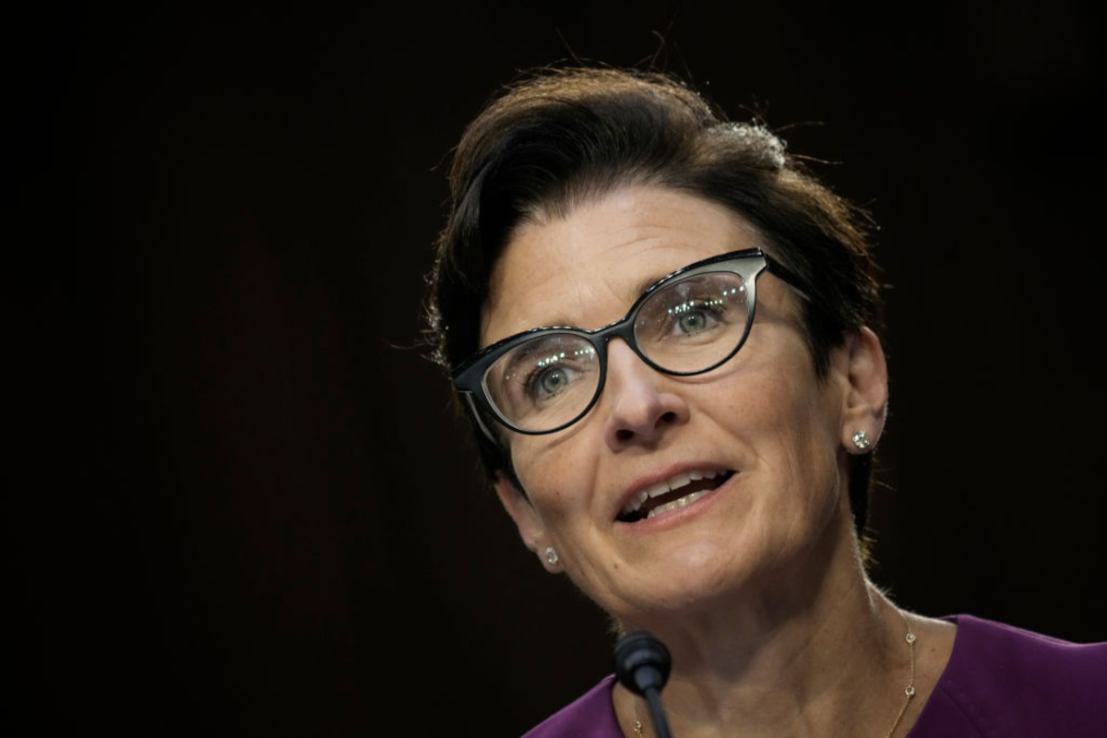
Citigroup has emerged as a favorite of President Trump during his second term, and Chief Executive Dame Jane Fraser's remarks in London yesterday may help explain why, writes Charlie Conchie.
Sitting across the table from Fraser as she addressed an audience in the British capital, the Citi boss delivered a sharp warning to Mayor Andy Burnham and the new Labour government. For a global institution like Citi, Fraser cautioned, there are "very viable" alternatives to Britain if the bank faces higher taxes. Ireland, Germany, France, and even Japan all offer more competitive tax rates, she noted, adding that Britain's traditional advantages — its infrastructure, regulatory environment, and talent pool — could be "overcome pretty quickly."
The comments land at a sensitive moment for the UK, where Chancellor Rachel Reeves's first budget has drawn scrutiny from financial services leaders over potential tax and regulatory changes that could affect the City of London's competitiveness as a global banking hub.
Though framed as a response to a question, the message was unmistakable: a carefully choreographed warning to the new Downing Street team that Citi would reconsider its footprint if taxes rise.
Such muscular rhetoric is characteristic of one of Wall Street's most influential figures — and a rare Brit to reach the pinnacle of corporate America. Fraser, who became Citigroup's chief executive in 2021 as the first woman to lead a major Wall Street bank, has been overseeing a sweeping multi-year reorganization of the institution aimed at streamlining operations and improving profitability. Speaking about her turnaround efforts at Citi, Fraser declared: "I'm not ruthless, but I'm damn tough."
Yet the Scottish-born banker appeared markedly more restrained on other topics.
A Favored Bank
Citi has been a clear favorite of President Trump since he returned to office for his second term. He has promoted the bank on his Truth Social platform and praised Fraser personally for steering the institution back on course.
"Congratulations to Jane F and ALL of her great people," Trump wrote to his 13 million followers, erroneously crediting Citi with topping the deals advisory tables. "They've worked really hard! BIG comeback for CITI!!!"
Fraser has managed to cultivate a rapport with the unpredictable president while peers at JP Morgan, Goldman Sachs, and Bank of America have each endured public rebukes. Goldman chief David Solomon was told to "focus on being a DJ," and Jamie Dimon's JP Morgan was hit with a $5 billion lawsuit after allegedly closing Trump's accounts.
"We both had a Scottish mother. I think that helps," Fraser remarked, noting that she had only met Trump a handful of times and that they do not have a "personal relationship."
'I keep my personal opinion to myself'
Other comments may shed light on how Fraser has kept the president onside. Asked how she felt about Trump's dismantling of equality and diversity laws, she responded simply: "We follow the law."
Pressed on whether it had frustrated her, she said: "I keep my personal opinion to myself on all different matters, and, you know, when you have these roles, you do your job. And whether I agree, disagree, or whatever is utterly irrelevant."
"I need to follow the laws, rules, and regulations in the countries I'm in, and I follow my clients' interests. My job's not to comment on politics," Fraser added.
She did acknowledge that diversity has benefited Citi internally and that there is a "strong economic case" for it. Asked whether she had made that argument to the president, Fraser demurred.
"I get on with doing what we need to do within the company. The US is so different from the UK, you kind of have to learn it, when you get there, because it's a very different political system," she said. "My job's to run the company, my job isn't to go and tell politicians what to do. I'm not very qualified to do that."
Just moments earlier, Fraser had warned Britain about the dangers of high tax rates, sluggish growth, excessive spending, and disincentivizing work — cautionary words from one of the country's most successful corporate exports. Yet her clear reluctance to voice even mild criticism of Trump underscores the delicate tightrope that America's most powerful executives must walk at a time when the White House has shown a willingness to single out individual companies and CEOs for praise or rebuke.
That toughness, it appears, only extends so far.

