Wells Fargo, Cisco, Marvell Among Latest Firms Objecting to OKXICE's Tokenized Stock Plan
Key Takeaways
- •Six companies, including Cisco, Wells Fargo, Arm Holdings, Moderna, Intuit and Marvell Technology, lodged objections to OKXICE's tokenized stock venue, bringing total objections to 22.
- •OKXICE plans to run tokenized share trading using Uniswap liquidity pools on OKX's XLayer blockchain with settlement in stablecoins, operating under the SEC's five-year Innovation Exemption.
- •Issuers must receive notice and have 30 days to object before their shares can be tokenized on the venue, giving company an effective veto over participation.
- •Microsoft, Alphabet, Goldman Sachs and McDonald's are among earlier objectors, meaning some of the world's largest listed companies have declined to join the platform.
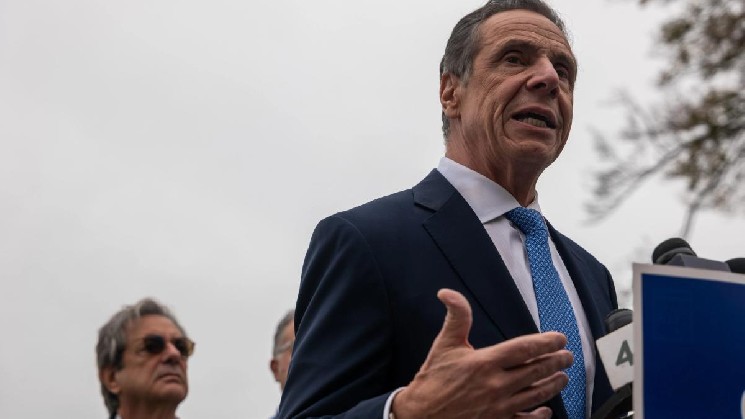
- •OKXICE co-chairman Andrew Cuomo said the refusals were anticipated, noting that limits on participating companies and trading volumes make the framework a sandbox-style demonstration.
Cisco (CSCO), Wells Fargo (WFC) and four other companies have opted out of plans by crypto exchange OKX and New York Stock Exchange parent Intercontinental Exchange (ICE) to offer blockchain-based trading of their shares, bringing the total number of objections to 22 as issuers weigh participation in the U.S. Securities and Exchange Commission's (SEC) new framework for tokenized stocks.
The six companies — Arm Holdings (ARM), Moderna (MRNA), Intuit (INTU) and Marvell Technology (MRVL) among them — were named in an updated public notice filed Friday by OKXICE, the joint venture between the two firms.
The additions extend a list that already included some of the world's largest publicly traded companies. Microsoft, Alphabet (GOOG, GOOGL), Goldman Sachs (GS) and McDonald's have all said no to the venue's plan in recent weeks.
The growing number of objections signals a hurdle for a new market structure that would let U.S. investors trade stocks around the clock on blockchains, beyond the fixed hours of traditional exchanges. The SEC's five-year "Innovation Exemption" allows qualifying tokenized securities venues, or TSVs, to test trading through automated market makers — software that executes trades using pools of assets — while giving issuers a say in whether their shares participate. Because each issuer effectively holds a veto over the plan, the mounting opt-outs will help determine which household-name shares are actually available for around-the-clock blockchain trading there.
OKXICE, backed by one of the world's biggest exchange operators, issued its initial public notice on Oct. 4, outlining plans to use Uniswap (UNI) liquidity pools on OKX's XLayer blockchain, with transactions settled in stablecoins. Venues must notify issuers and give them 30 days to object before offering tokenized versions of their shares — a mechanism that leaves OKXICE's final tradable lineup contingent on how the rest of the notified companies respond.
The venture's original proposed trading roster covered 62 companies. Wells Fargo and Arm were not among them, while Cisco, Moderna, Intuit and Marvell were included. That means the 22 objections cannot all be counted as departures from the original selection. Cerebras Systems, whose objection was disclosed earlier, was also outside that roster. An objection blocks trading on the notifying venue but does not establish opposition to every form of stock tokenization.
Companies Take a Wait-and-See Approach
Andrew Cuomo, OKXICE's co-chairman and former New York governor, said earlier this week that such responses were expected.
"We always anticipated that, because this is such a dramatic and revolutionary change, many companies would want to wait and see how it goes rather than be the first to participate," Cuomo said during a Monday press call.
Limits on participating companies and trading volumes make the framework "a sandbox — a model demonstration," he said.

