Ex-FBI Official McCabe Says Gutted CISA Leaves US Exposed Amid Iranian Cyber Threats
Key Takeaways
- •Homeland Security Secretary Markwayne Mullin told Congress there is no connection linking the technology problems reported across the United States, while testifying that the department does not currently have the staffing it needs.
- •Roughly 40 percent of CISA's staff, nearly 1,000 employees, was cut as a result of Elon Musk's DOGE cost-cutting reductions, according to CNN.
- •Former FBI Deputy Director Andrew McCabe said Iran cannot confront the United States militarily and will instead target critical infrastructure, citing its history of attacks on financial services, water treatment plants, and the power grid.
- •In late 2023, hackers tied to Iran's government known as the Cyber Av3ngers breached electronic control devices at US water utilities, including one in Pennsylvania, prompting CISA to issue advisories to the water sector.
- •Whether Mullin will commit to restoring CISA's lost personnel and expertise remains an open question from Wednesday's hearing, with implications for water systems, the power grid, and the financial industry that rely on federal-private coordination.
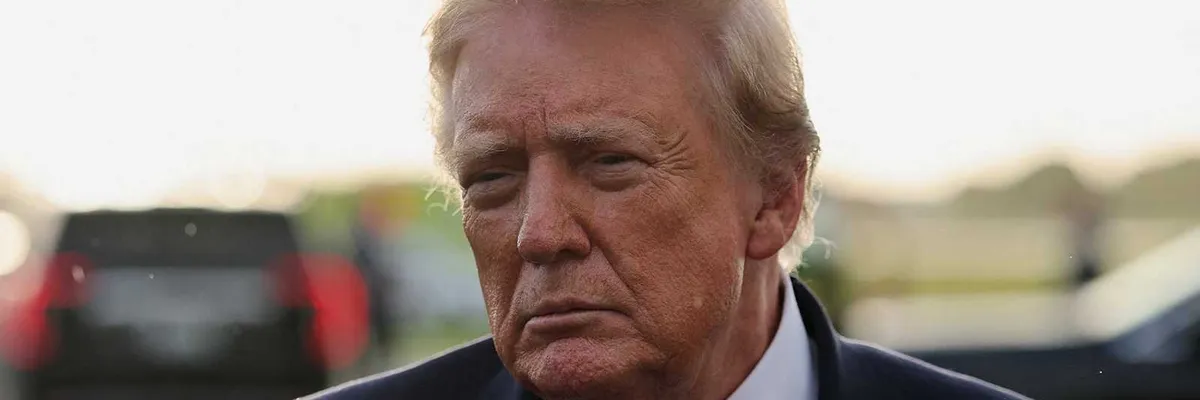
President Donald Trump's top Homeland Security officials appeared before Congress on Wednesday, and the hearing made clear that very little is being done on cybersecurity — even as officials recognize it as a serious issue amid digital threats from Iran. A former FBI official, speaking to CNN, explained that there is a reason for that.
Homeland Security Secretary Markwayne Mullin swore to the committee that there was no connection linking the various technology problems reported across the United States. But a larger question remains about how cybersecurity is being managed across the government, particularly after Trump slashed funding for CISA, the Cybersecurity and Infrastructure Security Agency. Created in 2018 within the Department of Homeland Security, CISA is charged with defending federal civilian networks and coordinating the cyber defense of the nation's critical infrastructure, much of which is owned and operated by private companies rather than the government.
Law enforcement analyst Andy McCabe, who previously served as the FBI's deputy director, spoke to CNN on Wednesday while the hearing was still underway. McCabe agreed that because the United States is at war with Iran, Tehran is working to inflict whatever "pain" it can on the United States.
"They cannot stand head to head with our military," he explained. "So, they will act in the way they always have."
CNN anchor Pamela Brown asked specifically about CISA, which is a central part of the Department of Homeland Security. Mullin testified Wednesday that the department does not currently have the staffing it needs. Roughly 40 percent of CISA's staff — nearly 1,000 employees — was cut as a result of Elon Musk's DOGE reductions (DOGE is the Department of Government Efficiency, the cost-cutting initiative Musk led), CNN reported Tuesday, after the National Security Agency's classified internal system went down.
Over the summer, Mullin acknowledged that the shortfall was a huge problem for DHS and, as a result, a problem for the safety and security of the country's cyber networks. On Tuesday, a former CIA official told MS NOW's Nicolle Wallace that the staffing cuts have left U.S. infrastructure — including aviation, banking, and utilities — far more vulnerable to threats.
"There's no question that, like — with elevated threats from Iran and other countries — and specifically threats from Iran that target critical infrastructure, right?" McCabe said Wednesday. "They have a history of targeting our financial services industry, things like water treatment plants, the power grid. So, at a time of elevated threats, we are also working with a basically handicapped CISA. CISA, as you mentioned earlier, was gutted in the beginning of this administration because, quite frankly, the president didn't like the fact that CISA was instrumental in keeping our elections safe and secure."
Iran-linked hackers have struck U.S. targets of that kind before: in late 2023, hackers tied to Iran's government, calling themselves the Cyber Av3ngers, breached electronic control devices at U.S. water utilities, including one in Pennsylvania, and CISA responded with advisories to the water sector.
McCabe added that CISA is needed now, but the agency is no longer in a position to help the American government.
"And it's even more obvious when you look back at the primary position that CISA occupied in this country in terms of infrastructure protection and cybersecurity," he said. "That agency really took its stride under the leadership of Chris Krebs, who is, of course, been targeted by this administration. And later during the Biden administration under the term of leadership of Jen Easterly, the organization grew massively."
Krebs led the agency from its 2018 creation until Trump dismissed him in November 2020, after CISA publicly affirmed the security of the 2020 election.
A large part of what CISA did under Easterly, McCabe noted, was build relationships with private-sector partners.
"And now they are really a shadow of their former selves," McCabe added. "So, it would be nice to hear Secretary Mullin commit to restoring the lost personnel, the lost expertise that we depend upon at CISA."
Whether Mullin commits to restoring that personnel and expertise is one of the open questions from Wednesday's hearing — and one with relevance beyond the committee room, given that the water systems, power grid, and financial industry McCabe cited depend on the kind of federal-private coordination CISA was built to provide.

