Circle Secures New York Limited-Purpose Trust Charter for USDC Operations
Key Takeaways
- •Circle received a limited-purpose trust charter from the New York Department of Financial Services for Circle New York Trust, strengthening its regulatory standing.
- •The charter allows Circle to act as a qualified custodian under SEC rules, a requirement for many institutional investors and registered investment advisers allocating to digital assets.
- •USDC is the second-largest stablecoin by market capitalization, behind only Tether's USDT, making Circle's regulatory positioning significant for the broader digital asset market.
- •Circle joins other NYDFS-chartered stablecoin issuers such as Paxos, which issues PayPal's PYUSD, intensifying competition among regulated stablecoin providers.
- •The approval comes after a March 2023 incident in which USDC temporarily lost its dollar peg when approximately $3.3 billion in reserves were held at the seized Silicon Valley Bank, highlighting the importance of reserve management confidence.
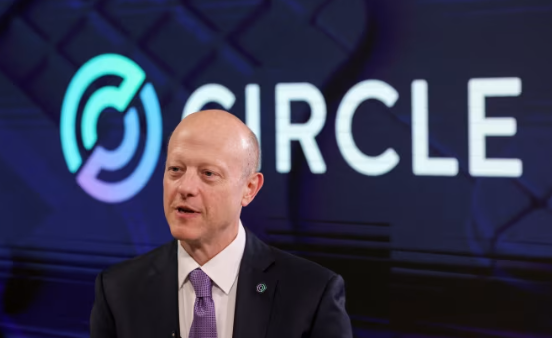
Circle, the company behind the USDC stablecoin, has reached a major regulatory milestone after receiving a limited-purpose trust charter from the New York Department of Financial Services (NYDFS) for Circle New York Trust. The approval represents a significant step in Circle's efforts to strengthen its regulatory framework and expand confidence in digital asset infrastructure within the United States. USDC ranks as the second-largest stablecoin by market capitalization, trailing only Tether's USDT, making Circle's regulatory positioning particularly consequential for the broader digital asset market.
The announcement marks another important development in the evolving relationship between traditional financial regulators and the cryptocurrency industry. As stablecoins become a key component of digital payments, financial markets, and blockchain-based applications, regulatory clarity has emerged as one of the most critical issues facing the sector. The approval also positions Circle alongside other NYDFS-chartered stablecoin issuers such as Paxos, which operates under a similar charter and issues PayPal's PYUSD, intensifying competition among regulated stablecoin providers.
Circle CEO Jeremy Allaire said the approval places USDC within what he described as a “strong, respected framework,” highlighting the importance of operating under established financial oversight while supporting innovation in digital currencies.
The development was also highlighted by the verified X account of Coin Bureau, bringing additional attention from cryptocurrency investors and market observers. The approval has been viewed by many industry participants as a significant step toward greater institutional acceptance of stablecoins.
Circle Strengthens Regulatory Foundation Through New York Trust Charter
The limited-purpose trust charter granted by the NYDFS allows Circle New York Trust to operate under a regulated structure designed specifically for financial activities involving digital assets. New York has long maintained one of the most comprehensive regulatory environments for cryptocurrency companies in the United States. The state's financial regulators have established strict requirements covering compliance, consumer protection, risk management, cybersecurity, and operational standards. The charter also enables Circle to act as a qualified custodian under U.S. Securities and Exchange Commission rules, a designation that institutional investors and registered investment advisers often require when allocating to digital assets.
For Circle, receiving approval from one of the country's most influential financial regulators represents a major achievement as the company continues expanding the role of USDC in global financial systems. The charter provides additional regulatory credibility at a time when governments and financial institutions worldwide are paying closer attention to stablecoins and their potential impact on payments, banking, and international transactions.
USDC Becomes More Closely Connected With Traditional Finance
USDC is one of the world's largest regulated stablecoins, designed to maintain a value of one U.S. dollar through reserves consisting primarily of cash and highly liquid assets. Unlike volatile cryptocurrencies such as Bitcoin and Ethereum, stablecoins are designed to provide price stability, making them attractive for payments, trading, decentralized finance applications, and institutional transactions.
Circle has consistently emphasized transparency, compliance, and regulatory cooperation as central parts of its business strategy. The New York trust charter further strengthens that approach by creating a regulated environment for Circle's operations while providing additional confidence for businesses and financial institutions using USDC. The added regulatory credibility carries particular weight following a March 2023 incident in which USDC temporarily lost its dollar peg after Circle disclosed that approximately $3.3 billion of its reserves were held at Silicon Valley Bank, which was seized by California regulators. While Circle subsequently confirmed all reserves were recovered and the peg was restored, the event underscored the sensitivity of stablecoin confidence to reserve management practices.
Industry analysts believe regulatory approvals like this could accelerate broader adoption of stablecoins by reducing concerns among traditional financial organizations.
Jeremy Allaire Highlights Importance of Regulatory Recognition
Circle CEO Jeremy Allaire described the approval as an important step for the company's mission to build trusted digital financial infrastructure. According to Allaire, placing USDC within a recognized regulatory framework reinforces confidence among users, businesses, and institutions that rely on the stablecoin for financial activities.
The approval comes as Circle continues working to position USDC as a major digital currency infrastructure layer for global commerce. The company has promoted the idea that blockchain technology can improve payment efficiency, reduce transaction costs, and provide faster access to financial services. However, achieving mainstream adoption requires strong regulatory standards and operational transparency. Circle's latest regulatory milestone reflects the company's strategy of working alongside financial authorities rather than operating outside traditional financial systems.
Stablecoin Regulation Becomes a Global Priority
The approval arrives during a period of increasing global attention toward stablecoin regulation. Governments and financial regulators have been examining how digital currencies backed by traditional assets should be supervised to protect consumers and maintain financial stability. In the United States, members of Congress have introduced multiple stablecoin-related bills in recent sessions, including proposals that would establish federal frameworks for stablecoin issuance and reserve requirements, though none have yet been enacted into law.
Stablecoins have grown significantly in popularity because they connect blockchain technology with traditional currencies. Businesses use stablecoins for cross-border payments, digital commerce, treasury management, and blockchain-based applications. However, regulators have also expressed concerns about reserve management, transparency, market risks, and potential impacts on traditional financial systems. As a result, regulatory frameworks have become increasingly important for companies operating in the stablecoin industry. Circle's New York trust charter approval demonstrates how regulated digital asset companies are seeking to meet higher compliance standards as the market matures.
New York Remains a Key Center for Digital Asset Regulation
The NYDFS has become one of the most influential regulators overseeing cryptocurrency businesses in the United States. The agency has developed specialized oversight programs for companies involved in digital assets, including requirements related to financial controls, cybersecurity protections, and customer safeguards. New York's regulatory approach has often been viewed as one of the strictest in the country.
For companies seeking credibility among institutional investors and financial partners, operating within New York's regulatory environment can provide important advantages. Circle's approval from the NYDFS could strengthen its reputation among banks, payment providers, fintech companies, and enterprise customers exploring blockchain-based solutions.
Circle Continues Expanding USDC Adoption
The regulatory approval comes as Circle continues efforts to expand USDC adoption across multiple financial sectors. USDC is used across cryptocurrency exchanges, decentralized finance platforms, payment networks, and digital applications requiring stable-value transactions. The company has positioned USDC as a bridge between traditional currencies and blockchain-based financial systems.
As businesses increasingly explore digital payment infrastructure, stablecoins have become an important area of innovation. Circle has also focused on improving access to USDC through partnerships with financial institutions, technology companies, and blockchain developers. The company believes regulated stablecoins can play a major role in the future of global payments.
Institutional Interest in Digital Assets Continues Growing
The approval of Circle New York Trust reflects a broader trend of increasing institutional involvement in digital assets. Large financial organizations have become more interested in blockchain technology as they explore opportunities involving payments, tokenization, digital securities, and financial infrastructure.
However, many institutions require clear regulatory frameworks before adopting cryptocurrency-related products at scale. Regulatory approvals from agencies such as the NYDFS can help address these concerns by providing additional oversight and accountability. Market participants believe companies that prioritize compliance will have an advantage as the digital asset industry moves toward greater institutional adoption.
Stablecoins Could Play a Bigger Role in Future Payments
Many industry experts believe stablecoins could become an important part of the future financial system. Unlike traditional payment methods that may involve multiple intermediaries and long processing times, blockchain-based transactions can potentially provide faster settlement and improved efficiency. Stablecoins may also help businesses conduct international transactions more easily by reducing reliance on traditional banking networks.
For consumers, digital currencies linked to stable assets could offer new ways to transfer money globally. However, widespread adoption depends heavily on trust, regulation, security, and transparency. Circle's latest regulatory achievement highlights the growing importance of building digital financial products within established legal frameworks.
Cryptocurrency Industry Moves Toward Greater Compliance
The cryptocurrency sector has undergone significant changes in recent years as companies increasingly prioritize regulation and transparency. Early cryptocurrency development often focused on decentralization and limited government involvement. However, the growth of digital assets has created greater demand for responsible oversight.
Companies operating in areas such as stablecoins, exchanges, and digital payments are now seeking licenses and regulatory approvals to build long-term businesses. Circle's New York trust charter represents an example of how cryptocurrency companies are adapting to a more regulated financial environment. The move may encourage other digital asset companies to pursue similar approaches as governments continue developing clearer rules.
Looking Ahead
Circle's approval from the NYDFS represents a significant milestone for both the company and the broader stablecoin industry. By securing a limited-purpose trust charter for Circle New York Trust, the company strengthens its regulatory foundation and reinforces its commitment to compliance.
The decision could help increase confidence in USDC among businesses, institutions, and users seeking reliable digital payment solutions. As stablecoins continue evolving, regulatory recognition is expected to become increasingly important in determining which companies succeed in the future digital financial landscape. Circle's latest achievement demonstrates that the next phase of cryptocurrency growth may depend not only on technological innovation but also on building trust through strong regulatory partnerships. With USDC positioned within a more established financial framework, Circle is continuing its efforts to become a major player in the future of global digital payments.

