West Virginia GOP Can't Remove House Candidate From Ballot After Racist Social Media Posts
Key Takeaways
- •Chris Clagett will appear on the Nov. 3 general election ballot because state law bars the West Virginia Republican Party from substituting a new candidate, even if he resigns.
- •Clagett confirmed during a radio interview that he authored the controversial social media posts about Black women and Muslims, though he has not responded to subsequent comment requests.
- •House Speaker Roger Hanshaw criticized Clagett's posts and indicated he could be left off House committees if elected, limiting his role in the legislative process.
- •The West Virginia GOP condemned the language in Clagett's posts, while the state Democratic Party called for him to withdraw as unfit to serve the district.
- •Clagett trails Democrat David Michaels in fundraising, reporting roughly $2,800 on hand compared with Michaels's $10,307 about a week before Election Day.
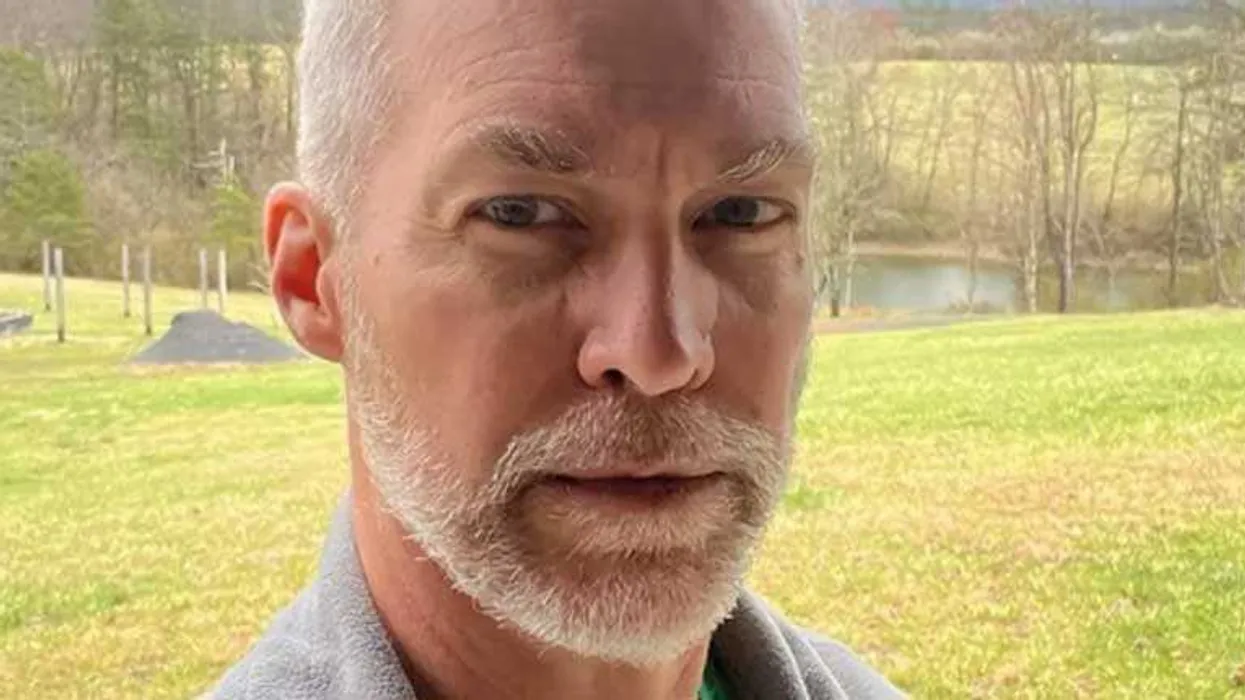
A Republican House of Delegates candidate in Berkeley County will remain on the November ballot after authoring a series of racist social media posts targeting Black women and Muslims, including one in which he reportedly called the Confederate flag “beautiful.”
Chris Clagett’s social media activity was first reported by West Virginia Watch in September and drew criticism from House Speaker Roger Hanshaw, R-Clay.
“If the voters of Berkeley County choose to send that attitude to the House of Delegates, it will be a lonely place,” Hanshaw told MetroNews in an interview last month.
If elected, Clagett could be left off House committees, giving him little input in the legislative process. Early voting is underway across West Virginia and continues through Oct. 31. Clagett faces Democratic challenger David Michaels in the race.
State law prohibits the West Virginia Republican Party from replacing him on the ballot at this point, even if Clagett chose to resign — meaning his name will appear before voters in the general election regardless of his party’s public condemnation.
“The West Virginia Republican Party condemns the language used on social media. It is not reflective of the values of our party nor the values of our candidates running for office,” said Josh Holstein, chair of the West Virginia GOP.
The West Virginia Democratic Party has called for Clagett to withdraw from the race “because he is unfit to serve the people of this district.”
Clagett did not return an email seeking comment and has not responded to previous interview requests. He confirmed authoring the posts during a radio interview with Eastern Panhandle station WRNR; a recording is available on YouTube.
In January, Clagett posted on X: “Maybe because black women are the most ill-mannered, ill-behaved, loud-mouthed demographics on the face of the Earth. Does that clarify it for you … ?” He was responding to a post that said: “They always think saying I’m not doing anything means they’re not resisting arrest.”
He told WRNR radio hosts that “context is everything,” and later said the post to which he responded with the words “ill-mannered” included Black women “behaving in exactly the manner I described.”
The race in the 91st District
Clagett is running to represent the 91st District, which covers mostly southern Berkeley County. He ran unopposed in the May primary, and the district leans heavily Republican.
His platform, laid out on his campaign website, centers on medical freedom from vaccinations, immigration enforcement, and curriculum reform in public schools.
Fundraising has been light: Clagett’s latest campaign filing shows about $2,800 in cash on hand, while Michaels reported $10,307 with roughly a week until the Nov. 3 Election Day. Michaels has campaigned on locality pay for teachers and improving infrastructure in Berkeley County amid its population growth. No candidates from the Constitution Party, Libertarian Party, or Mountain Party filed to run.
A district familiar with controversy
The 91st District has seen a string of controversies involving its Republican House candidates. Previous candidate Joseph de Soto was arrested after making terrorist threats against sitting lawmakers.
In January, House Republicans voted to vacate the seat rather than expel de Soto, saying that was the correct way to handle the vacancy since he was on house arrest and had never been sworn in.
De Soto switched his party affiliation to Democrat before his arrest, prompting an ongoing legal challenge from the state Democratic Party, which argues the seat should have been filled by a Democratic candidate under state law.
Gov. Patrick Morrisey appointed Ian Masters to the House seat after Republican delegate-elect Joseph de Soto, who won the November 2024 election, vacated it. Last summer, Masters denied allegations that he was behind an antisemitic comment made by a private Instagram account using his name and linked to an organization he recently led. Masters is not seeking reelection, leaving the Nov. 3 contest between Clagett and Michaels to decide who holds the 91st District seat.

