CHP Recovers Over $500,000 in Stolen Cargo Linked to Southern California Theft Ring
Key Takeaways
- •CHP investigators recovered more than $500,000 in stolen merchandise from a discount retail store in Rialto, California, after executing a search warrant on July 28.
- •The recovered goods were linked to several separate cargo theft incidents across Southern California and have been returned to their rightful owners.
- •CHP has not publicly identified the store, named any suspects, or disclosed whether criminal charges are forthcoming.
- •The Cargo Theft Interdiction Program was created following the passage of Assembly Bill 813 in 1994 to investigate commercial freight theft and coordinate case information across California jurisdictions.
- •Industry monitoring data consistently places California, especially the Los Angeles–Inland Empire corridor, among the states with the highest cargo theft incident volumes nationwide.
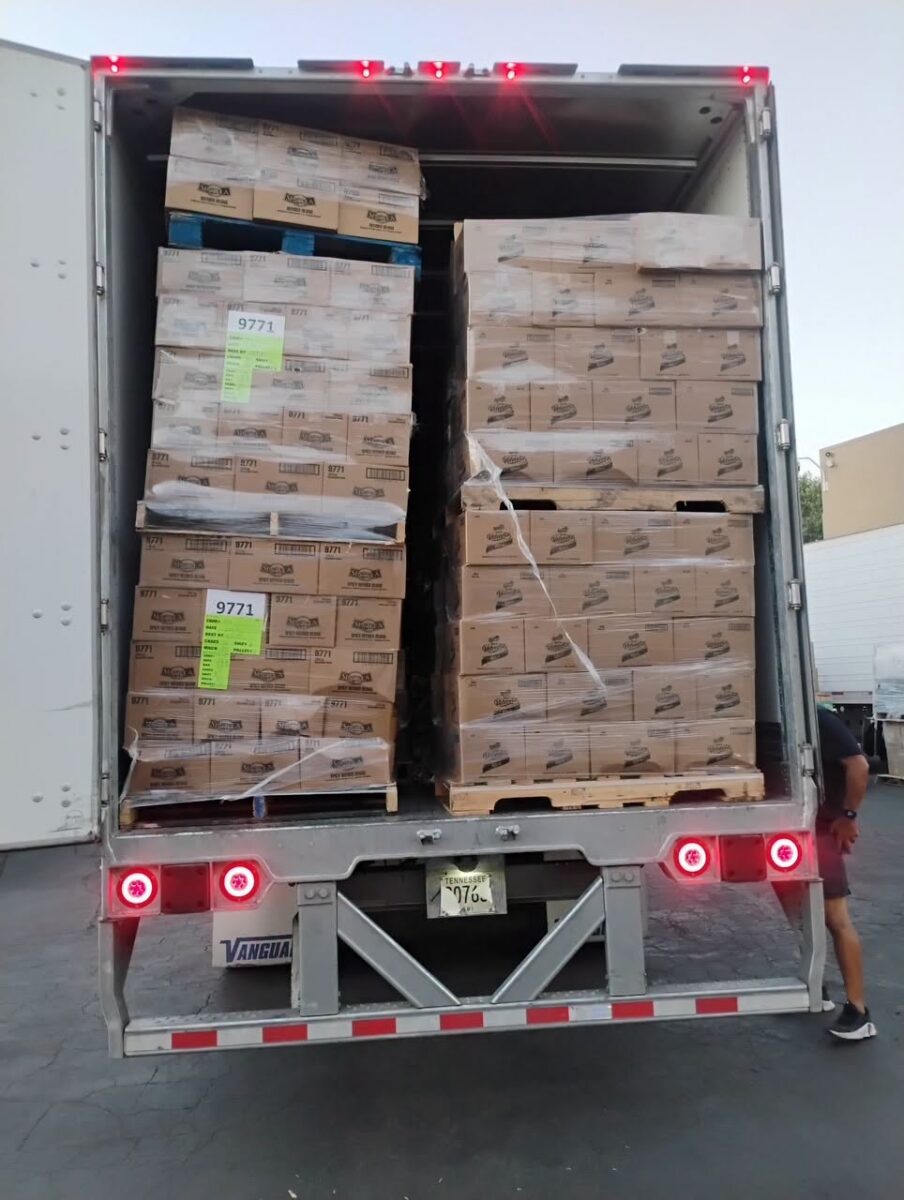
California Highway Patrol (CHP) investigators have recovered more than $500,000 in stolen merchandise from a discount retail store in Rialto, California, following the execution of a search warrant on July 28. Authorities linked the business to multiple cargo theft incidents across Southern California and have returned the recovered goods to their rightful owners.
Investigation Led by CHP Inland Division's Cargo Theft Unit
The CHP Inland Division's Cargo Theft Interdiction Program (CTIP) led the investigation. Detectives determined that the Rialto retailer had been storing merchandise tied to several separate cargo theft cases. The agency did not publicly identify the store, name any suspects, or disclose whether criminal charges are pending.
Rialto sits within California's Inland Empire, one of the largest warehousing and logistics corridors in North America, anchored by its proximity to the twin Ports of Los Angeles and Long Beach — the nation's busiest container port complex. The concentration of distribution centers, rail yards, and trucking routes in San Bernardino County has long made the region a focal point for freight movement and, correspondingly, for cargo-theft enforcement.
In its announcement, CHP emphasized the broader impact of cargo-related crime: "Cargo theft impacts businesses, consumers, and our economy." The agency characterized the Rialto operation as part of its ongoing enforcement efforts against organized theft rings, with a focus on recovering stolen property for affected companies and holding perpetrators accountable.
The Cargo Theft Interdiction Program was established after the California Legislature passed Assembly Bill 813 in 1994, which provided dedicated funding for statewide cargo-theft suppression efforts. CHP created the program specifically to investigate thefts involving commercial freight. The agency also maintains a statewide information system designed to share case details across jurisdictions and identify emerging crime trends.
Details of the Rialto Recovery
Operating within CHP's Inland Division, CTIP investigators handle cases involving stolen freight and merchandise throughout the region. The Rialto recovery involved goods connected to more than one reported theft, though CHP did not provide a breakdown of the specific products seized.
The agency's announcement did not identify the victim companies, specify when the underlying thefts took place, or provide an estimated total loss figure beyond the value of the recovered merchandise.
FreightWaves reached out to CHP Inland Division for additional comment prior to publication. At the time this article was published, the agency had not responded. The request sought any releasable details regarding the merchandise, the victims involved, and potential criminal charges.
Broader Implications for the Supply Chain
The Rialto recovery underscores how cargo theft can extend well beyond the initial crime scene. Once stolen freight reaches a retail shelf, tracing it back to its origin becomes significantly more difficult, and the likelihood of recovery decreases substantially. Industry professionals — including brokers, shippers, and carriers — rely on robust verification processes and thorough shipment records to help investigators connect recovered cargo back to its source.
Cargo theft tracked by industry monitoring organizations such as CargoNet consistently shows California — particularly the Los Angeles–Inland Empire corridor — among the states with the highest reported incident volumes nationwide. Common methods documented by these groups include theft from unattended trailers at truck stops and warehouse lots, as well as strategic theft involving fraudulent pickup arrangements. The fact that stolen goods in this case surfaced at a retail storefront illustrates a downstream distribution layer that investigators must also disrupt to dismantle organized rings effectively.

