Xi Jinping's Unprecedented Tax Clawback Hits Chinese Listed Companies
Key Takeaways
- •More than 100 Chinese listed companies have faced retroactive tax demands totaling 7.7 billion.
- •The back-tax demand ended Heilongjiang Agriculture Co.'s streak of profits.
- •Chinese tax authorities have long held the power to reassess prior years' liabilities, but are now applying it more aggressively to listed firms.
- •The enforcement campaign comes as slowing growth and the property downturn squeeze government revenues.
- •Investors and companies in China face heightened scrutiny of historical tax positions, with listed firms' disclosures indicating the campaign's spread.
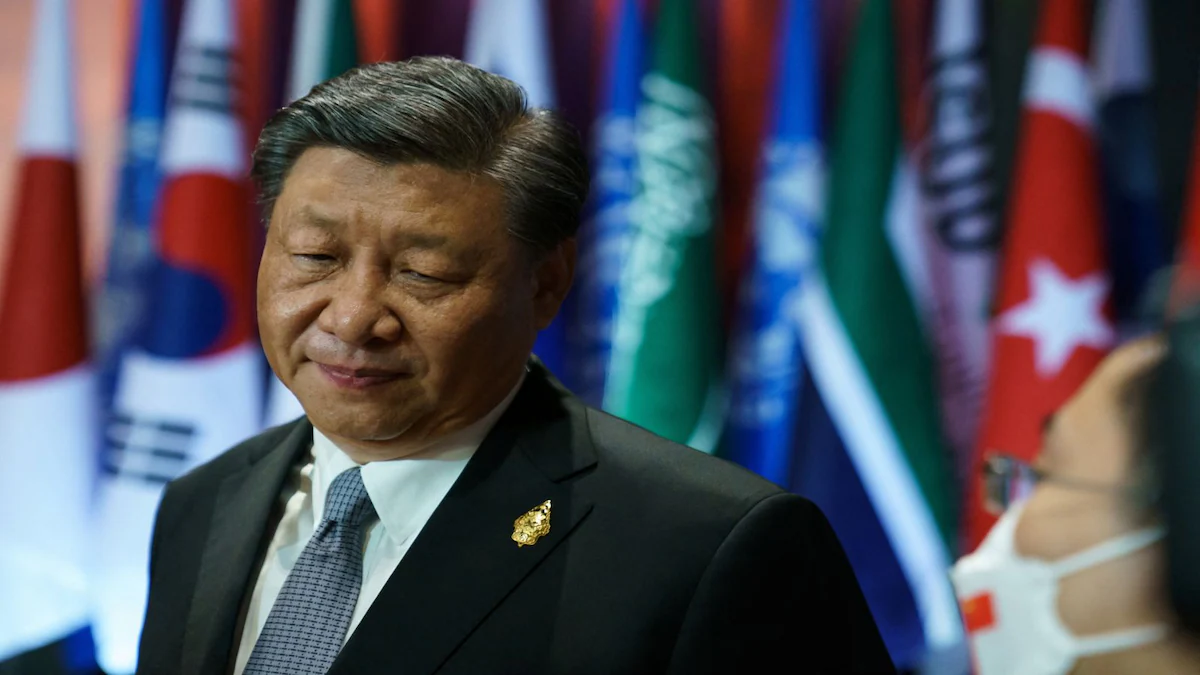
Chinese tax authorities under President Xi Jinping are pursuing unprecedented back-payment demands against companies across the country, a campaign that has already ended the profit streak of Heilongjiang Agriculture Co.
The scale of the enforcement drive is significant: more than 100 listed companies in China have faced tax clawbacks, with the total demands amounting to 7.7 billion, according to the report carried by CNBC-TV18 Markets (https://www.cnbctv18.com/market/xi-jinpings-unprecedented-tax-clawback-hammers-chinese-listed-companies-19977191.htm).
The demands for retroactive tax payments mark a notable shift in how Beijing's revenue collectors are engaging with corporate China. Under China's tax system, authorities have long held the power to reassess prior years' liabilities, and the current wave of clawbacks signals a more aggressive application of that authority toward the nation's listed firms.
Heilongjiang Agriculture Co., a listed Chinese company, saw its run of profits brought to an end as a result of the back-tax demand — an outcome that illustrates the direct financial impact the campaign is having on balance sheets of publicly traded firms.
The enforcement effort comes amid broader fiscal pressure on local and national government finances in China, where slowing economic growth has weighed on revenue collection. The long-running property market downturn has also eroded a key source of local government income — land sales to developers — intensifying the squeeze on regional budgets. Tax clawbacks of this kind allow authorities to recover revenue retroactively from prior periods, and their application to more than 100 listed companies represents one of the most extensive such campaigns in recent memory. For investors and companies operating in China, the pattern points to heightened scrutiny of historical tax positions, with disclosures by listed firms of back-tax demands serving as one indicator of how widely the campaign is spreading.

