China Eases Fuel Export Curbs as Global Supply Crunch Deepens
Key Takeaways
- •China will permit refiners to export 2.7 million tons of oil derivatives this month, excluding shipments to Hong Kong and Macau.
- •The temporary quota covers gasoline, diesel fuel and jet fuel, and unused volumes may be carried into September if no sales are arranged.
- •Late June reports said China had planned to allow only 800,000 tons of refined fuel exports in July.
- •China had earlier banned fuel exports after Middle East conflict and the closure of the Strait of Hormuz, which worsened an existing fuel supply crunch.
- •China’s fuel exports rose sharply in June, with fuel oil sales abroad increasing 18% year on year to 577,000 barrels per day.
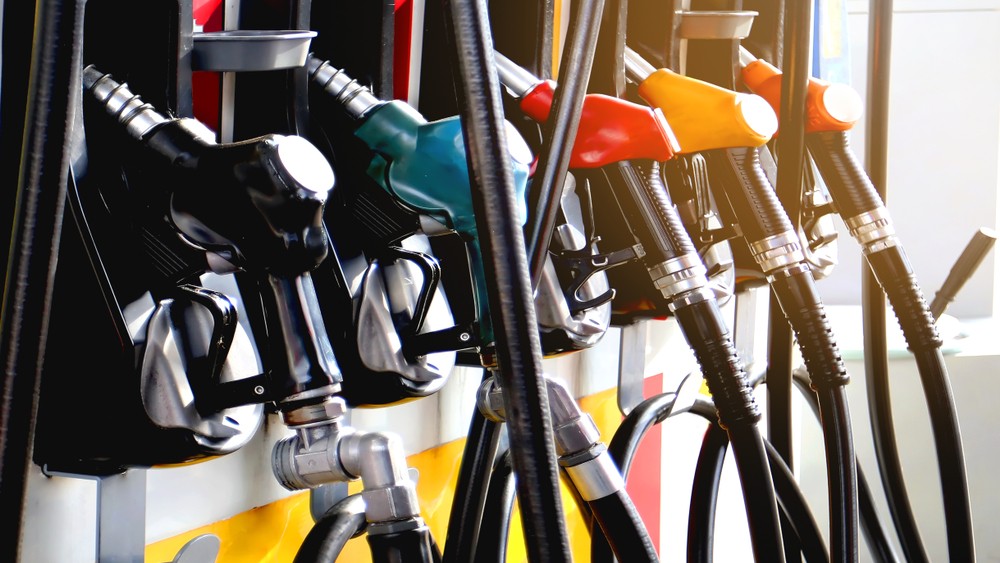
China has partially lifted fuel export restrictions imposed earlier this year, allowing refiners to export 2.7 million tons of oil derivatives to destinations excluding Hong Kong and Macau, Reuters reported, citing unnamed sources familiar with the matter.
The temporary easing of export caps will apply this month, according to the report. Refiners will also be allowed to roll some of the volumes into September if they are unable to secure purchase agreements for the full allotment. The new export quotas cover gasoline, diesel fuel, and jet fuel. Late June reports said the Chinese government would permit state refiners to export only 800,000 tons of refined fuels in July.
China moved to ban all fuel exports days after the conflict in the Middle East erupted and the Strait of Hormuz was closed. The move intensified an already severe fuel supply crunch, although some volumes were still shipped to certain countries in Southeast Asia. The latest easing suggests Beijing is responding to shifting domestic stock levels and overseas demand rather than setting a fixed export path, with quotas still tightly managed and limited to a short window.
At the time, Chinese authorities told energy companies to suspend new fuel export contracts and try to cancel shipments that had already been arranged for overseas markets as global fuel markets tightened amid the Middle Eastern war that effectively froze most traffic through one of the world’s largest oil and fuel chokepoints.
In April, China eased the export restrictions as domestic fuel stockpiles swelled, easing concern about domestic supply security in part because of China’s record crude oil stockpile, which was estimated at more than 1 billion barrels at the start of the Middle East war.
In June, China’s fuel exports increased sharply. Fuel oil sales abroad rose 18% year on year and reached the highest level since the start of 2026, at 577,000 barrels per day, amid a global scramble to secure the fuel used to power ships. That pattern underscores how changes in Chinese quota policy can quickly affect regional availability of refined products, especially when global markets are already tight.
By Irina Slav for Oilprice.com

