Coal Drops Below 50% of China's Electricity Mix for the First Time
Key Takeaways
- •Coal supplied 49.7% of China's electricity in the first half of 2026, marking the first recorded period it fell below the 50% threshold.
- •Renewable energy generation grew approximately 9% year-over-year and accounted for 41.2% of total electricity output, with wind and solar combined providing nearly 25%.
- •China's new five-year energy plan does not cap coal power growth, instead designating coal as a reliability backstop for the grid amid expanding intermittent renewable capacity.
- •China has set a target for clean energy to reach 30% of power generation by 2030, up from approximately 22% today, within broader pledges to peak emissions before 2030 and reach carbon neutrality before 2060.
- •Coal continues to fill critical supply gaps during periods of high demand or low renewable output, including recent wind underperformance and widespread heat waves.
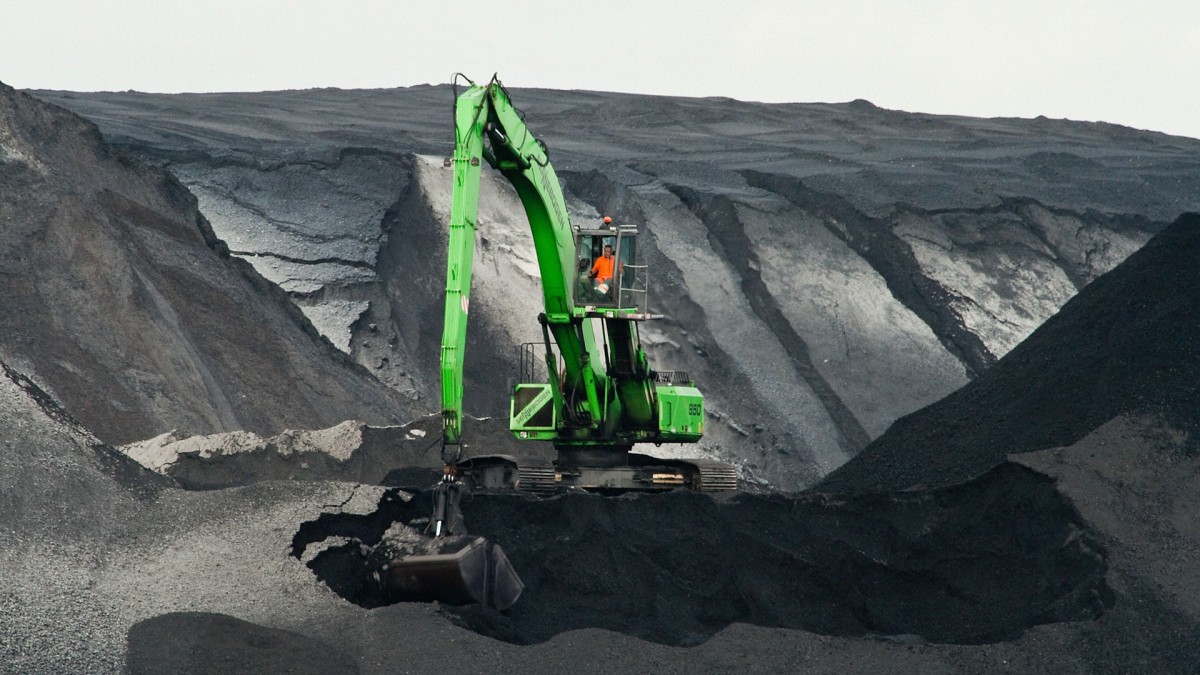
Coal's share of China's electricity generation fell below 50% in the first half of 2026, marking the first time on record that the fossil fuel has dipped beneath that threshold in the world's largest power market and largest coal consumer.
Official data released on Thursday showed coal averaging 49.7% of China's total electricity output during the period, a landmark result of Beijing's long-running drive to expand non-fossil power sources. China accounts for roughly half of global coal consumption, giving the shift considerable significance for worldwide carbon emissions.
As coal's share declined, renewable energy generation rose approximately 9% compared with the same period a year earlier, according to figures from China's National Energy Administration (NEA). Renewables accounted for 41.2% of total electricity generation in the first half of 2026, with wind and solar combined contributing nearly 25% of all power output.
Xinhua, China's state news agency, said the figures highlight the accelerating pace of the country's green and low-carbon energy transition, noting that China continues to expand renewable capacity while reducing its dependence on coal.
Despite the milestone, coal remains central to China's energy strategy. Authorities are not restricting coal power growth under the new five-year energy plan, as Beijing reinforces the fuel's role as a "bottom-line guarantee" for the electricity system amid a rising share of intermittent renewables. The plan operates within the framework of China's pledge to peak carbon emissions before 2030 and achieve carbon neutrality before 2060.
The five-year plan envisions renewable energy increasing its share of electricity supply by 2031, while simultaneously strengthening coal's position as a reliability safeguard. China has set a target for clean energy to reach 30% of power generation by 2030, up from approximately 22% today.
Wind and solar are designated to become the "mainstay" of the electricity mix, yet coal capacity is expected to continue growing and increasingly serve as a flexible backstop to bolster energy security. Beijing continues to depend on coal to meet surging demand and fill gaps when renewable output falters — as seen with wind power underperformance in recent months, hydropower shortfalls two years ago, and during the current heat waves affecting large parts of the country.
The balancing act reflects the tension between China's climate commitments and its pressing energy security needs. While the country has aggressively scaled up wind, solar, and other renewable sources, coal continues to provide the dispatchable power necessary to maintain grid stability during periods of high demand or low renewable generation.
By Michael Kern for Oilprice.com.

