China Doubles Down on Clean Energy Even as Coal Keeps Growing
Key Takeaways
- •China's 15th Five-Year Plan targets a 53 percent increase in solar and wind power production by 2030, raising overall renewable energy output from 1.18 billion to 1.8 billion tons of coal equivalent.
- •China installed approximately 360 GW of wind and solar capacity in 2024, accounting for over half of global additions and bringing its total renewable capacity to 1.4 TW.
- •Despite record renewable growth, China accounted for 78 percent of global coal power capacity that commenced operations in 2025 and is responsible for 86 percent of global coal capacity under construction.
- •Power-sector emissions in China rose during the first four months of 2026, suggesting the emissions decline observed in 2025 may have been temporary.
- •The United States and European Union have imposed or considered tariffs on Chinese solar, battery, and EV imports, adding trade friction to the global clean energy transition.
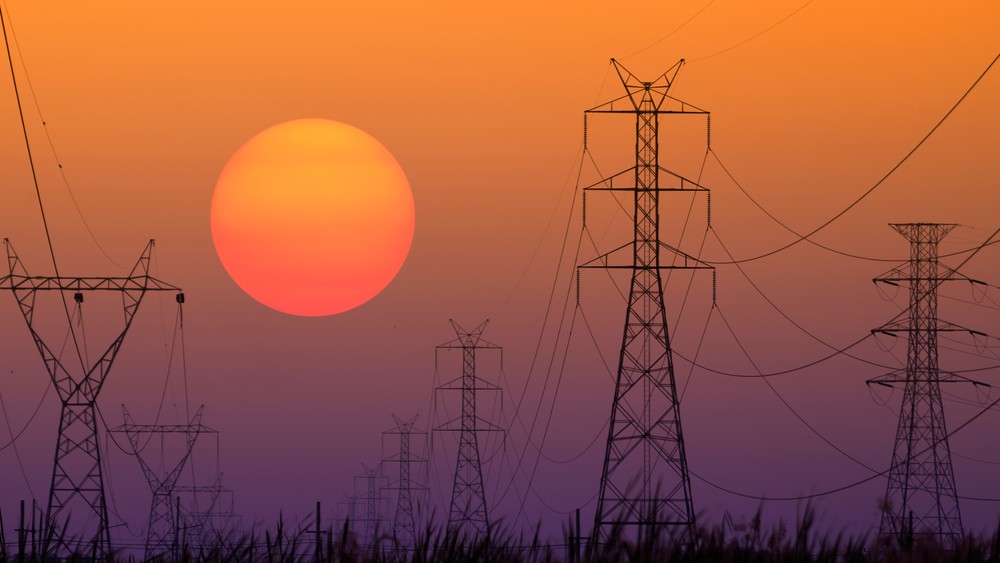
China has unveiled plans to accelerate its already ambitious renewable energy expansion, targeting a massive scale-up of solar and wind capacity by the end of the decade. While the country has spent decades building its renewable portfolio to become the world's largest green energy producer, it simultaneously intends to keep expanding coal production—a dual strategy that underscores the tension between its climate goals and energy security priorities. That balancing act intensified after widespread power shortages in 2021 and 2022 disrupted industrial output, prompting a surge in coal plant approvals that has yet to fully subside.
As the world's largest energy consumer and greenhouse gas emitter, China has set a goal of reaching peak carbon emissions by 2030 and achieving carbon neutrality by 2060. Those targets persist despite rising power demand and continued reliance on coal-fired generation. Because China accounts for roughly 30 percent of global energy-related CO₂ emissions, the trajectory of its power sector is widely regarded as the single most consequential factor in whether worldwide climate goals remain achievable.
In 2024 alone, China installed approximately 360 GW of wind and solar capacity, accounting for over 50 percent of global additions that year. That brought its total installed renewable capacity to 1.4 TW—roughly one-third of the world's 4.5 TW total. Beyond generation, the government has actively promoted cleantech adoption and supporting business models, including battery storage, virtual power plants, and electric vehicles. China's dominance extends across the clean technology supply chain as well: the country manufactures an estimated 80 percent of the world's solar panels and holds leading positions in battery cell and EV production, giving it significant leverage over global decarbonization timelines and costs.
In July, China announced plans to increase solar and wind power production by 53 percent by 2030 under the country's 15th Five-Year Plan. The plan was issued jointly by the National Development and Reform Commission and the National Energy Administration. Under the new targets, overall renewable energy production is set to rise to 1.8 billion tons of coal equivalent (tce) by 2030, up from 1.18 billion tce in 2025.
The government aims for wind and solar power, supported by storage, to provide 8 percent of their installed capacity during peak demand and to supply 20 percent of electricity consumption during demand spikes. It also plans to add more than 300 GW of dispatchable renewable energy for periods of peak demand.
Outside the power sector, the plan calls for adding 150 million tce of wind and solar use in applications such as renewables-powered heating and cooling and green hydrogen. China aims to scale green hydrogen production to 2 million metric tons by the end of the decade. The government also targets 570 GW of hydropower capacity by 2030, including 160 GW of pumped storage.
China's solar pipeline currently stands at approximately 664 GW in planning or under construction—about one-third of the global total. The country also has nearly 700 GW of proposed wind capacity, representing roughly one-quarter of the worldwide total. Additional plans include developing deep-sea offshore wind bases and integrating offshore wind with underwater data centers. China further intends to pilot renewables megabases that transmit wholly renewable energy.
Wind and solar power currently contribute about 20 percent of the electricity delivered through China's ultra-high voltage transmission network, which moves power from megabases in the north and northwest to cities and factories in the east. Under the 2026–2030 five-year plan, China aims to develop 10 such megabases and has proposed 11 transmission lines delivering 129 GW of wind and solar power alongside 40 GW of coal power. The high proportion of coal generation in the mix could potentially undermine the government's clean energy objectives, though energy storage technologies offer a pathway to make intermittent renewables more reliable.
As part of the plan, the Chinese government also intends to expand international cooperation on renewable energy, support the global green energy transition, and promote the international adoption of its green energy technologies, standards, and certification systems. The push comes as the United States and the European Union have imposed or considered tariffs on Chinese solar, battery, and EV imports, adding a trade dimension to the global clean energy rollout.
Alongside its renewable buildout, China continues to support coal sector expansion to ensure power sector stability. In 2025, China accounted for 78 percent of global coal power capacity that commenced operations. It remains both the largest consumer and producer of coal worldwide, responsible for 86 percent of total global capacity under construction.
Coal power output increased in early 2026, suggesting that the decline in power-sector emissions seen in 2025 may have been temporary, even amid record renewable energy growth. Power-sector emissions rose in the first four months of the year, though they remain below 2024 levels at present.
Qi Qin, an analyst at CREA, stated: "The situation is alarming… China has installed enormous amounts of solar and wind capacity, but the question is whether that capacity is being fully utilised."
China is developing its renewable energy capacity faster than any other nation. The latest targets indicate that wind and solar deployment is outpacing even the country's previous ambitious plans. Nevertheless, its heavy dependence on coal and plans for further expansion have the potential to undermine emissions reduction goals in the coming decades.

