UK Chancellor Weighs Windfall Taxes on Oil Companies and Banks Ahead of Budget
Key Takeaways
- •Treasury officials reportedly see windfall taxes on banks and oil firms as 'low hanging fruit' for raising government revenue at the Budget.
- •Healey needs £4.7bn in extra revenue over four years for the defence investment plan and £10bn in departmental cuts, with the Resolution Foundation estimating his fiscal buffer may be as low as £8bn.
- •Citigroup chief Dame Jane Fraser and UK Finance have warned the Chancellor against new taxes on the financial services sector.
- •Avanti train drivers are set to receive a pay rise of around 3.6 per cent, while LNER drivers could get a 12 per cent rise over four years.
- •Economists expect the 28 October Budget to largely continue previous economic plans rather than expand public spending or borrowing.
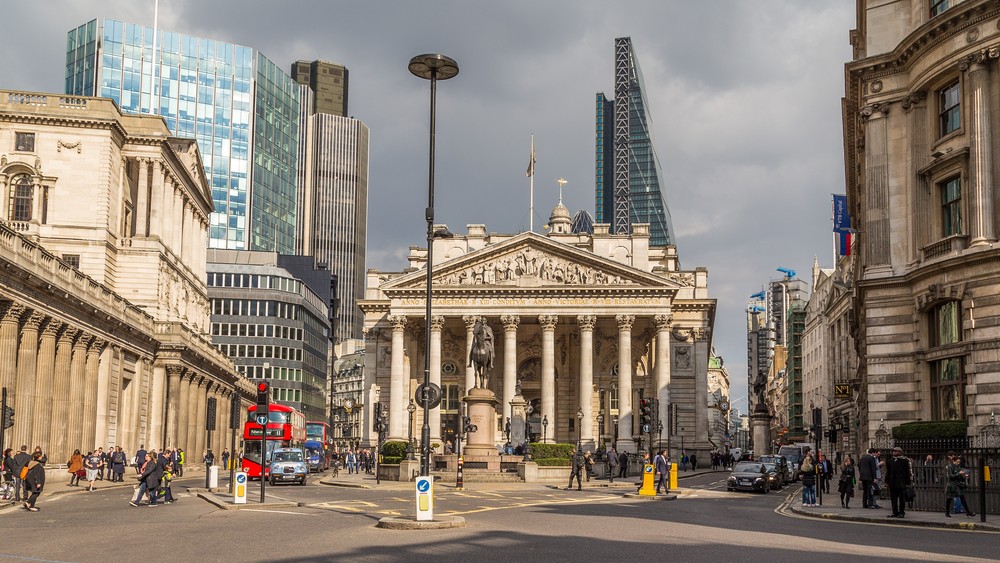
Chancellor John Healey has been presented with a plan to impose further taxes on oil firms and banks after bosses in both sectors posted large profits, according to reports.
Healey may look to tax businesses at this year's Budget in order to rebuild a partly eroded £22.7bn fiscal buffer and fund spending pledges on defence and the cost of living. According to Bloomberg, Treasury officials believe windfall taxes on banks and oil companies could be "low hanging fruit" for increasing government receipts. Windfall taxes — levied on unexpectedly high profits — have precedent in the UK: the Energy Profits Levy, introduced in 2022, taxed oil and gas producers' profits, while a similar levy on electricity generators was also imposed during the energy price surge.
The mooted plan could put City bosses on edge during the two months of lobbying and speculation leading up to the Budget. Citigroup chief Dame Jane Fraser has warned Healey against a new banking tax, while industry officials at UK Finance have written to the Chancellor to warn of the risks of hitting the financial services sector. Financial services are a significant contributor to UK tax receipts and economic output, which is why sector bodies argue that new levies could carry broader costs for the economy.
Healey is tasked with finding £4.7bn in extra government revenue over four years to fund the defence investment plan, as well as another £10bn in cuts across departments. His fiscal buffer has also partly eroded, according to economists. The Resolution Foundation believes it could be as low as £8bn — a narrow margin that would leave public finances more exposed to shocks such as higher energy prices.
Tax hikes loom
New public sector pay pressures could add further strain on the government's finances. According to The Sunday Times, Andy Burnham has agreed to give train drivers at Avanti — the rail line connecting London and Manchester — a pay rise of around 3.6 per cent. The Aslef union, which represents some drivers earning over £70,000 a year, secured the deal with Burnham that would prevent disruption on a line that is key for the Prime Minister when travelling between Number 10 Downing Street and Number 10 North in Manchester.
Drivers at the east coast operator LNER could meanwhile receive a 12 per cent pay rise over four years, reports suggested.
The squeeze on public finances could limit the freedom for Healey and Burnham to provide "breathing space" to households and businesses. City economists do not expect the Budget on 28 October to break far from the previous government's economic plans, with vast expansions in public spending or further borrowing not anticipated.
The government has already said it would leave a decision on raising defence spending to three per cent of GDP to the middle of next year, when a government spending review is scheduled.
Barclays economist Jack Meaning said he believed the fiscal statement would represent "continuity" from Rachel Reeves, with Healey likely to rely more heavily on reallocating budgets across government departments.
A Treasury spokesperson said: "The Chancellor is fully focused on his priorities to boost business, help with the cost of living and support people in every postcode, underpinned by fiscal discipline and a commitment to meeting the fiscal rules with a buffer against uncertainty. The Office for Budget Responsibility will publish its updated forecast alongside the Budget in October and we will not comment on rumour, speculation or proposals about its contents ahead of then."
