CFTC Settles With Former U.S. Rep. George Santos Over Kalshi Prediction Market Manipulation
Key Takeaways
- •The CFTC settled with former U.S. Representative George Santos over allegations that he manipulated a Kalshi prediction market tied to his State of the Union attendance.
- •Santos allegedly profited more than $17,500 after placing a wager and then publicly declaring he would not attend the event, which likely affected the market's pricing.
- •Kalshi, the first federally regulated event contract exchange approved by the CFTC in 2022, was not accused of wrongdoing and cooperated with regulators throughout the matter.
- •The settlement comes as U.S. regulators intensify scrutiny of prediction markets, which gained widespread public attention during the 2024 election cycle.
- •Specific terms of the settlement were not disclosed, but the case signals the CFTC's willingness to pursue enforcement against individuals who exploit public influence for personal gain in prediction markets.
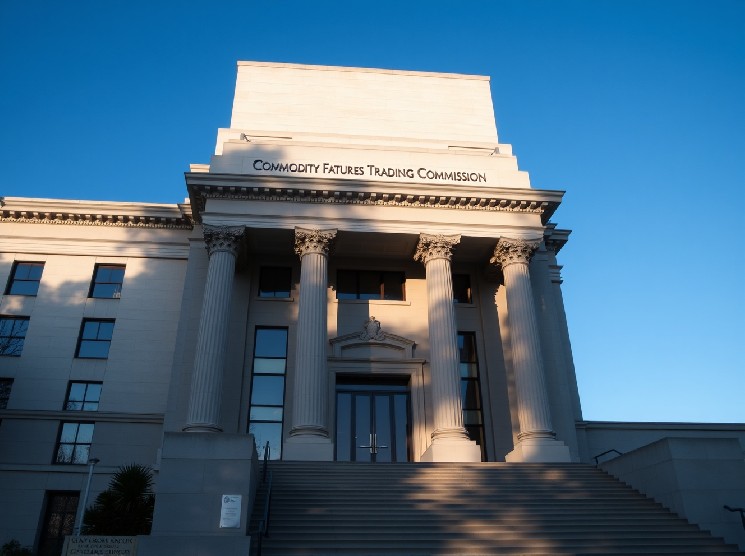
The U.S. Commodity Futures Trading Commission (CFTC) has reached a settlement with former U.S. Representative George Santos over allegations that he manipulated a prediction market on Kalshi, according to a report by The Block.
Santos, a Republican from New York who was expelled from the House of Representatives in December 2023, has also faced separate federal criminal charges including wire fraud and identity theft. The settlement resolves claims that Santos wagered on whether he would attend the State of the Union address and subsequently took actions to influence the market's outcome.
Details of the Case
The CFTC had filed a lawsuit accusing Santos of violating commodity trading laws through market manipulation. Regulators specifically alleged that Santos placed a wager on Kalshi regarding his attendance at the State of the Union address, then publicly declared he would not attend — a statement that likely affected the market's pricing. Santos reportedly profited by more than $17,500 from the trade.
The case underscores the increasing regulatory scrutiny surrounding prediction markets, platforms that allow users to bet on the outcomes of real-world events. While these markets have grown in popularity, they raise ongoing questions about market integrity and the potential for individuals possessing insider knowledge or public influence to manipulate results.
Kalshi's Position
Kalshi, approved by the CFTC in 2022 as a designated contract market and the first federally regulated exchange of its kind in the United States, enables users to trade on outcomes of events such as elections, economic indicators, and other real-world occurrences. The company has not been accused of wrongdoing in the matter and has stated that it cooperated with regulators and maintains compliance with applicable laws.
Broader Regulatory Implications
The Santos settlement arrives as U.S. regulators intensify their focus on prediction markets, which surged in public attention during the 2024 election cycle. The CFTC has previously voiced concerns about manipulation risks and the need for clear rules governing these platforms, and has taken enforcement actions against unregistered operators offering similar products to U.S. customers. The outcome may establish a precedent for how the agency addresses similar violations going forward, especially in cases where individuals leverage their public positions to affect market results.
For market participants and observers, the settlement highlights the legal risks tied to trading on prediction markets and signals the CFTC's willingness to pursue enforcement against individuals who attempt to manipulate them for personal gain. The case also reinforces that public figures remain subject to the same trading rules and regulations as all other market participants.
The specific terms of the settlement were not disclosed. As prediction markets continue to expand, regulators and industry participants alike face the ongoing challenge of ensuring that enforcement and oversight frameworks keep pace with these emerging platforms.

