CFTC Puts Tokenization and Stablecoins at Center of 24/7 Derivatives Trading Debate
Key Takeaways
- •The CFTC has published the agenda for a Dec. 15 public roundtable on how continuous derivatives trading could operate across different asset classes without weakening market safeguards.
- •Chairman Michael Selig said the agency needs direct input from market participants before amending its regulatory philosophy to allow longer trading hours.
- •A CFTC staff advisory issued in May suggested crypto derivatives are among the markets most suited to around-the-clock trading, while agricultural derivatives face more significant practical restrictions.
- •Tokenization and stablecoins could speed the movement of collateral among customers, brokers and clearinghouses when traditional banking infrastructure is unavailable outside business hours.
- •Extended trading would place new requirements on margin systems, liquidity management, cybersecurity, staffing and business continuity planning.
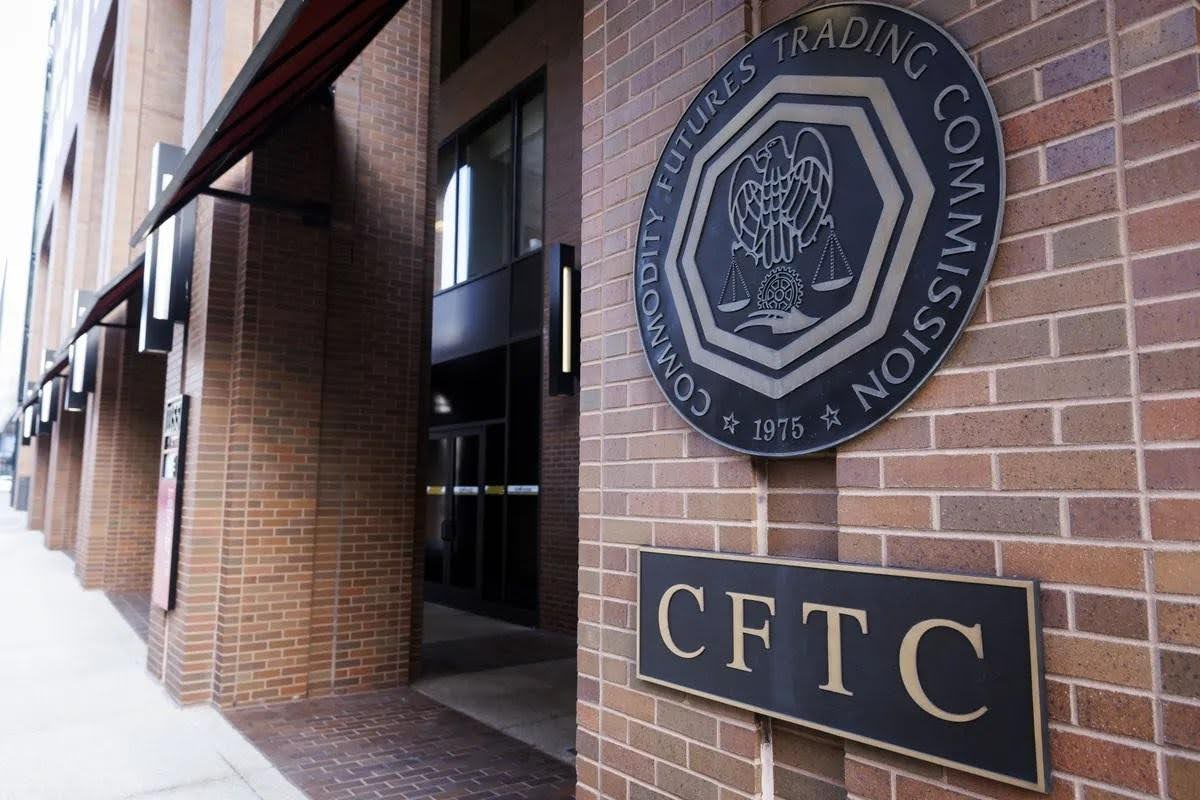
As U.S. derivatives trading builds toward a 24/7 model, the Commodity Futures Trading Commission (CFTC), which oversees U.S. futures and swaps markets, has published the agenda for a Dec. 15 industry roundtable examining how continuous trading could work across different asset classes without weakening market safeguards. Tokenization, stablecoins, collateral, margin and continuous clearing sit at the center of the debate, according to the agency's announcement. Staff at the regulator already view crypto derivatives as among the most appropriate markets for around-the-clock trading.
CFTC Tests the Case for 24/7 Derivatives Trading
The roundtable will run from 1 p.m. to 4 p.m. EST at the CFTC's Washington headquarters and will be open to the public via a live video stream. Scheduled topics include overnight trading, tokenization, margin requirements, market infrastructure, staffing and operational preparations.
Chairman Michael Selig said the agency wants to hear from market participants directly before amending its regulatory philosophy to allow for longer trading hours. The CFTC has also emphasized that it will not take the same approach for every asset class, a point it considers especially important for crypto.
In a staff advisory issued in May, the agency suggested that the digital infrastructure and global presence of crypto derivatives could make them appropriate for 24/7 trading. Agricultural derivatives, by contrast, face more serious practical restrictions on extended operations.
Tokenized Collateral Could Support Continuous Clearing
A major issue on the agenda is the mobility of capital and collateral in an open market that operates through nights, weekends and holidays. Tokenization — representing assets or settlement value on blockchain-based ledgers — and stablecoins, which are designed to hold a steady value typically pegged to fiat currency such as the U.S. dollar, can significantly speed up the movement of collateral among customers, brokers and clearinghouses, easing some of the friction that arises when traditional banking infrastructure is unavailable outside business hours.
At the same time, non-stop trading places fresh requirements on margin systems, liquidity management, cybersecurity, staffing and business continuity planning.
The CFTC's May advisory had already told exchanges, clearing organizations and intermediaries considering 24/7 operations to open a dialogue with the agency before making the move. That guidance is informational only and does not supplant the requirements of the Commodity Exchange Act, the federal statute that underpins the CFTC's authority over U.S. derivatives markets.
Crypto Pushes Traditional Derivatives Toward Always-On Markets
Crypto markets have operated around the clock for years and have placed pressure on regulated derivatives markets to provide similar access. For the CFTC, however, the question is no longer simply what is technically feasible. The agency is evaluating whether markets can support continuous trading alongside resilient clearing, effective margins and reliable sources of price discovery.
If regulated entities can move assets and settlement value between systems through tokens without waiting for banking hours, that capability could prove a vital piece of the infrastructure behind always-on markets.
December Roundtable Could Shape the Next Regulatory Steps
The Dec. 15 meeting follows the CFTC's request for public comments and its May guidance on 24/7 trading, clearing and settlement. How participants respond at the session is the input Chairman Selig said the agency needs before amending its regulatory philosophy to allow for longer trading hours — placing the roundtable as the next step in a sequence that has already included a staff advisory and an open call for comment. For crypto derivatives, the discussions could help define how blockchain infrastructure, tokenized collateral and stablecoins fit within regulated U.S. markets operating closer to an always-on model.

